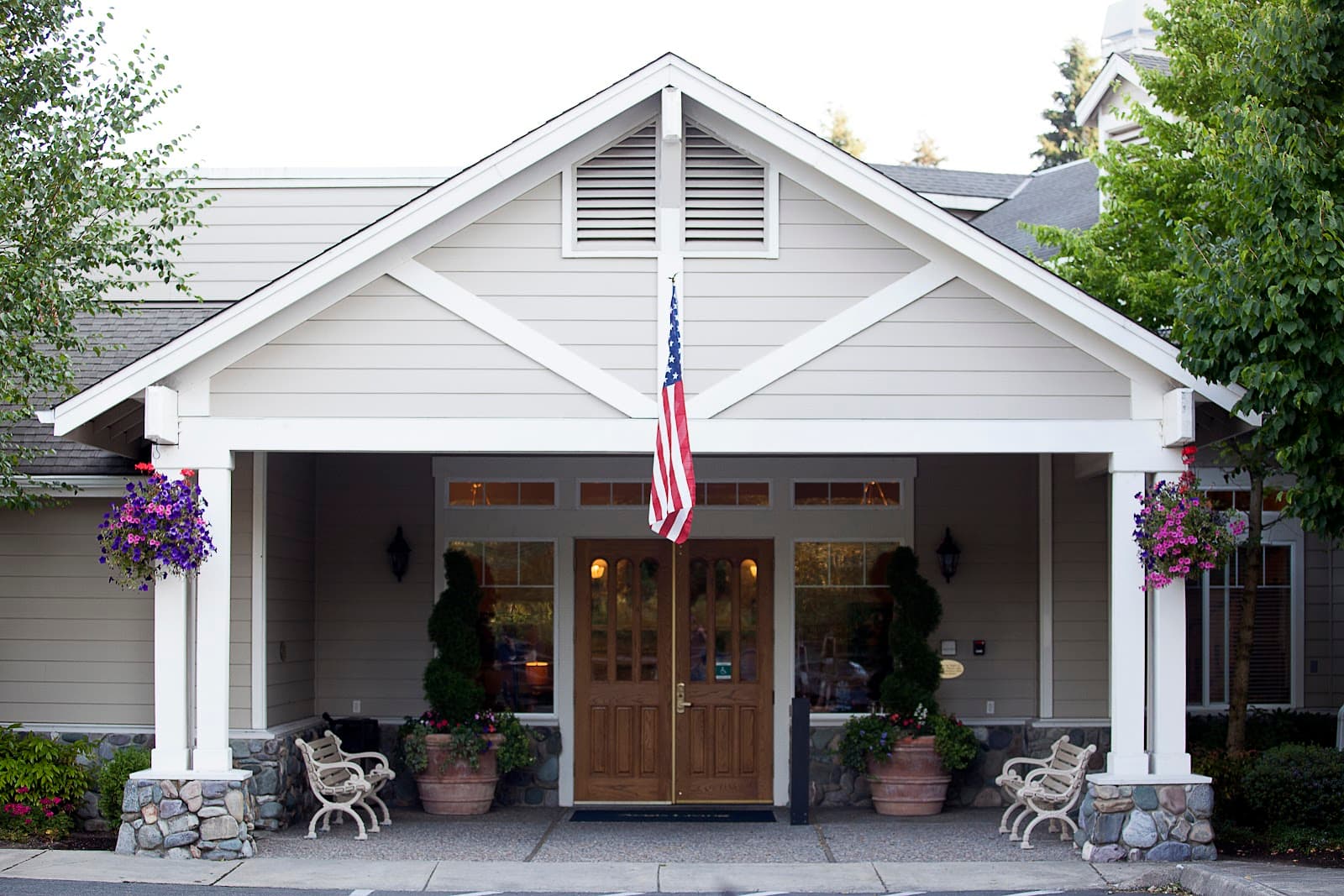
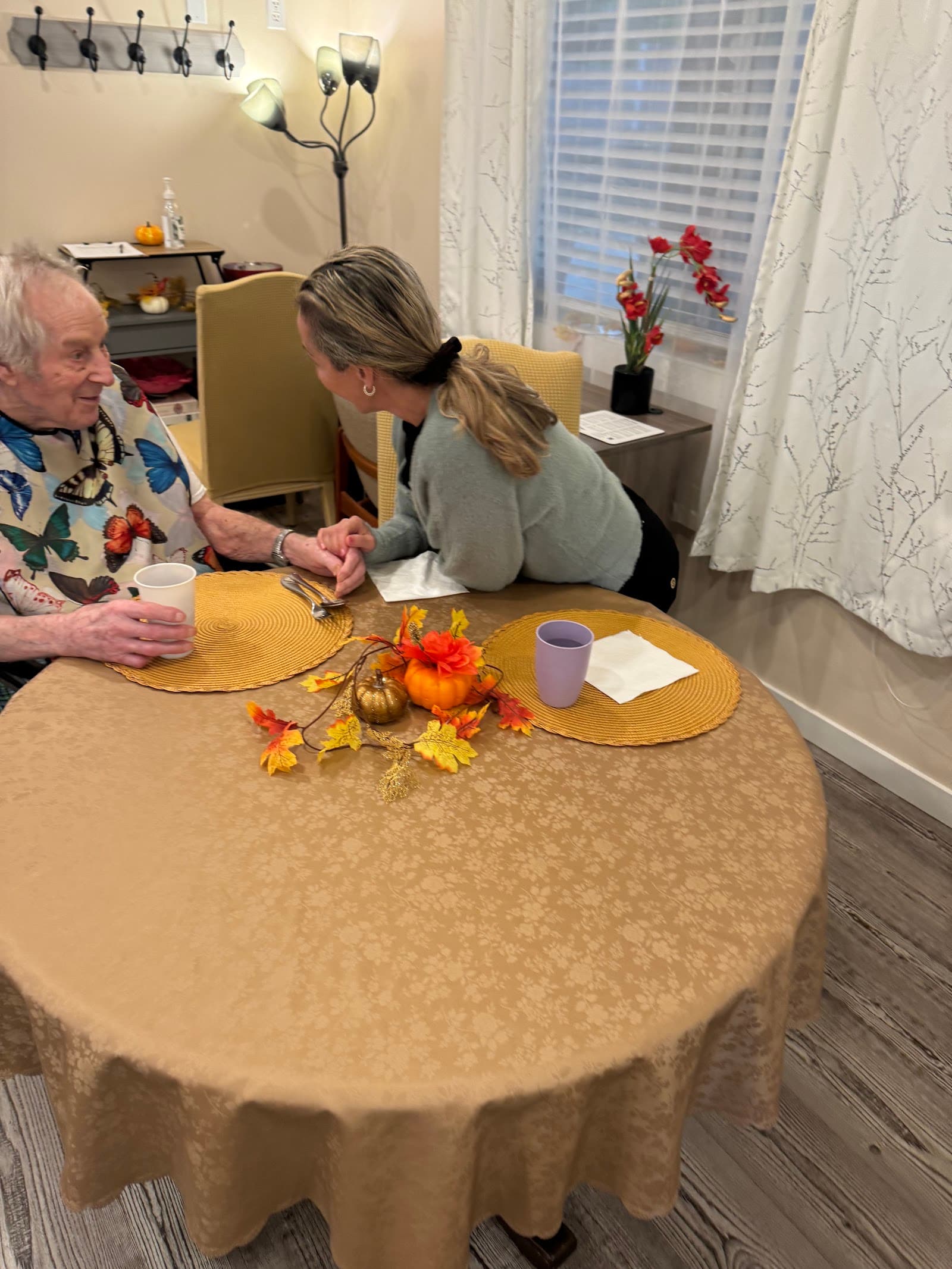
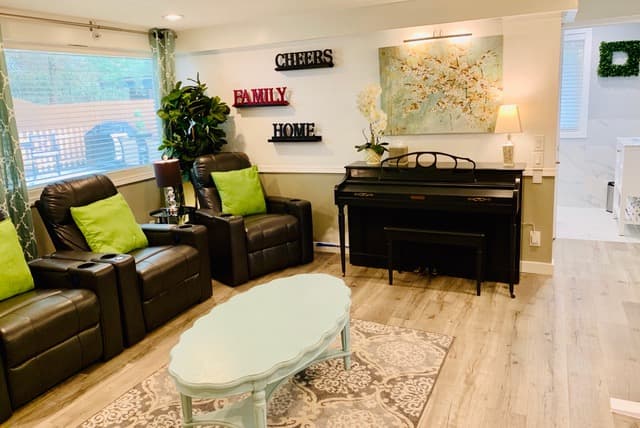
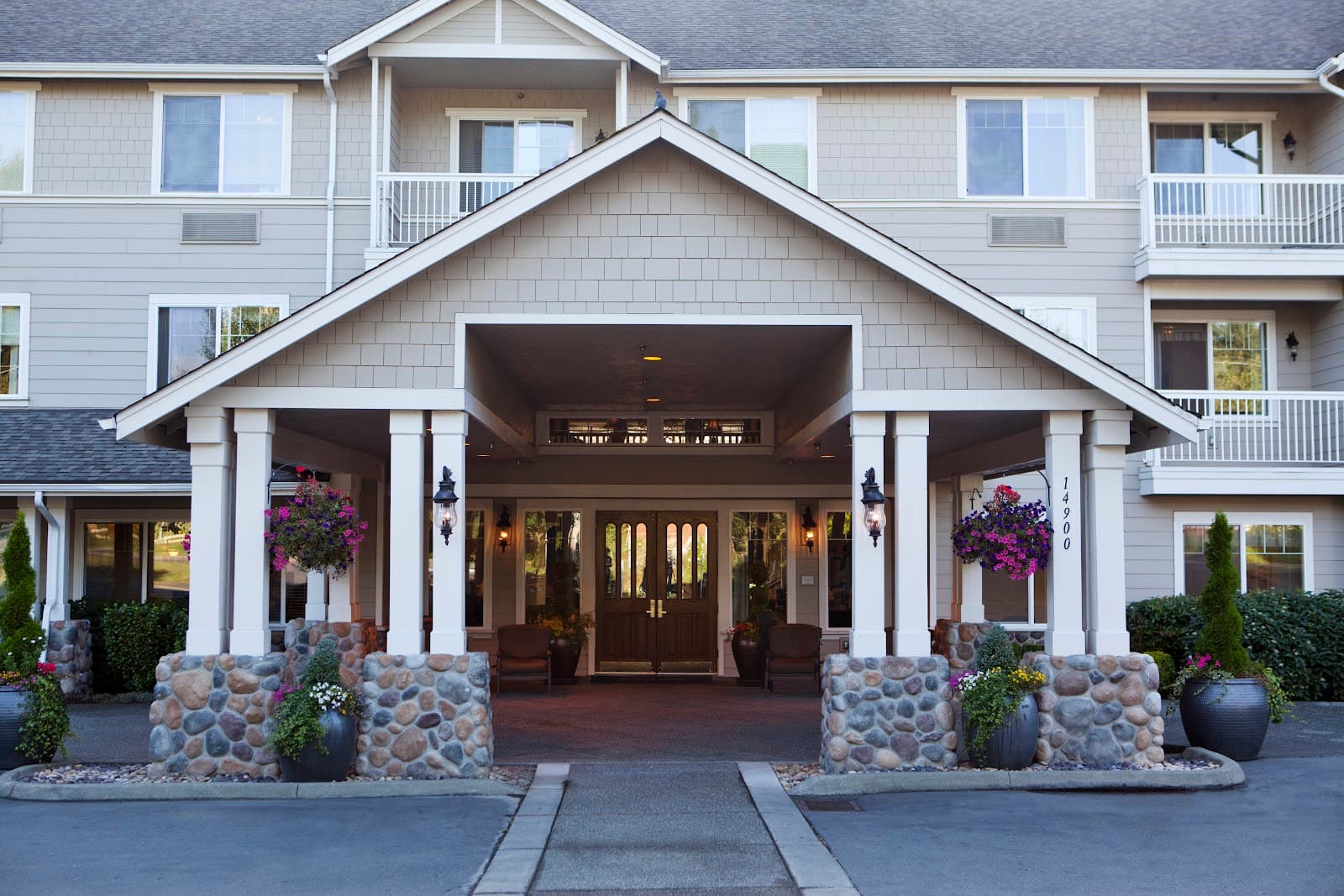
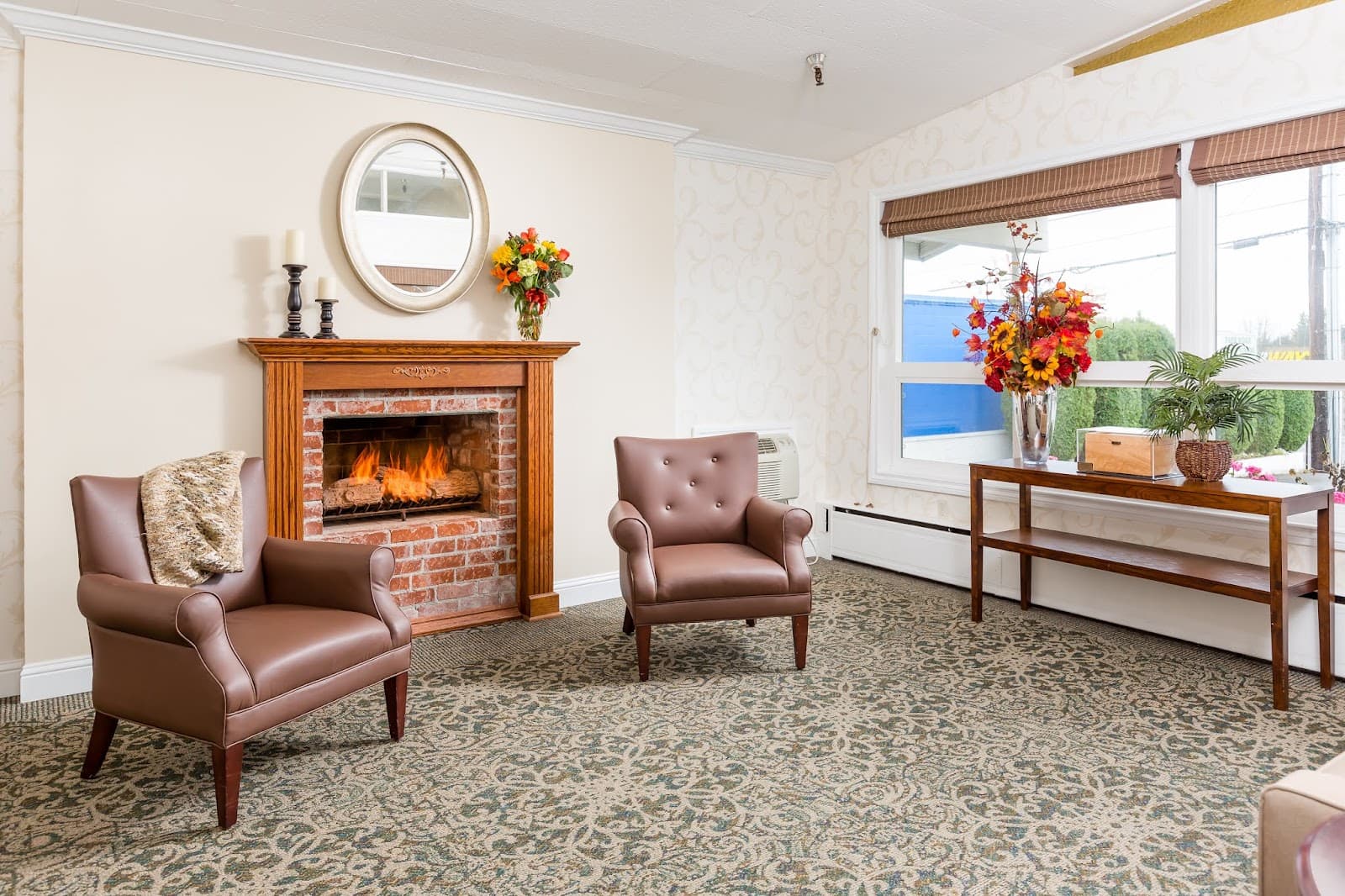
Aegis Living Callahan House is a memory care community in Shoreline, Washington, providing specialized support for individuals living with Alzheimer's disease and other forms of dementia. The community is organized into four separate Memory Care neighborhoods, each with a dedicated care team, private dining and living spaces with fireplaces, and secure garden courtyards designed to create a familiar and comforting environment.
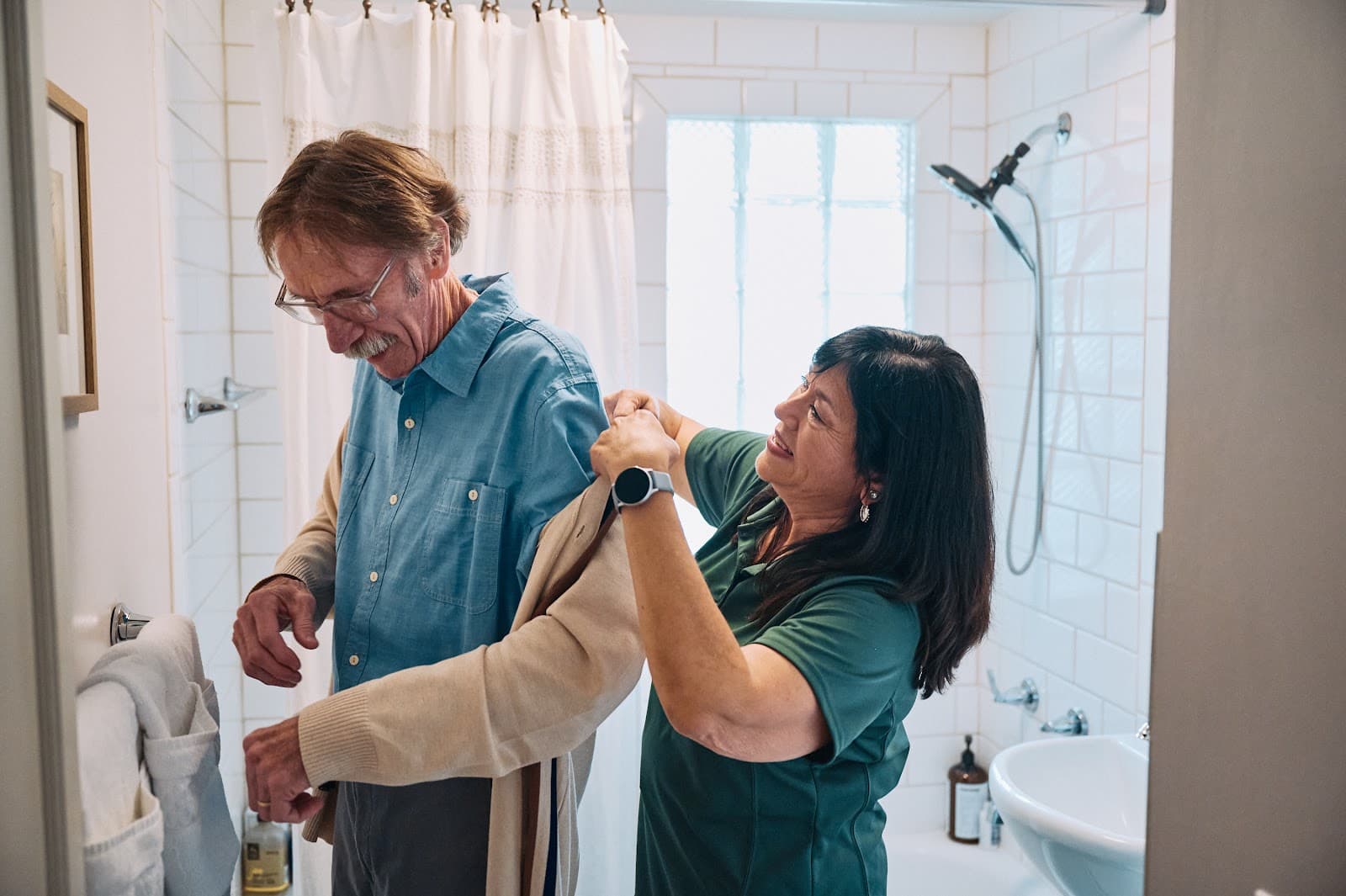
The community offers comprehensive memory care services including 24/7 nursing support, medication management, art and music therapy delivered by certified therapists, and full clinical care. Daily programming includes over 200 monthly activities such as music therapy, art enrichment classes, sensory gardens, nature walks, gratitude programs, and group celebrations. Residents have access to chef-prepared meals accommodating special diets, indoor and outdoor garden courtyards, and concierge services with all-day transportation for medical appointments and outings to nearby Twin Ponds Park.
Callahan House emphasizes a whole-person wellness approach addressing physical, cognitive, and emotional well-being. Programming is rooted in science and best practices, balancing safety with independence and creative engagement throughout every stage of memory loss. The community is intentionally sized to be intimate enough that all residents are well-known while remaining large enough to support regular concerts, group celebrations, movie nights, and daily walking clubs.
The community maintains a pet-friendly policy, allowing residents to transition with their animal companions. Family support is central to the care model, with accredited support groups meeting onsite to provide education and relief for families, and the care team partnering with loved ones to ensure everyone feels included and supported.
Callahan House is located minutes from Interstate 5 and close to local parks and amenities. The community connects to Aegis Living Shoreline Assisted Living for residents whose care needs change or who require respite services, enabling continuity of care and the possibility for couples with differing care needs to remain together.