
How Routine Enhances Quality Of Life In Memory Care
July 23, 2026
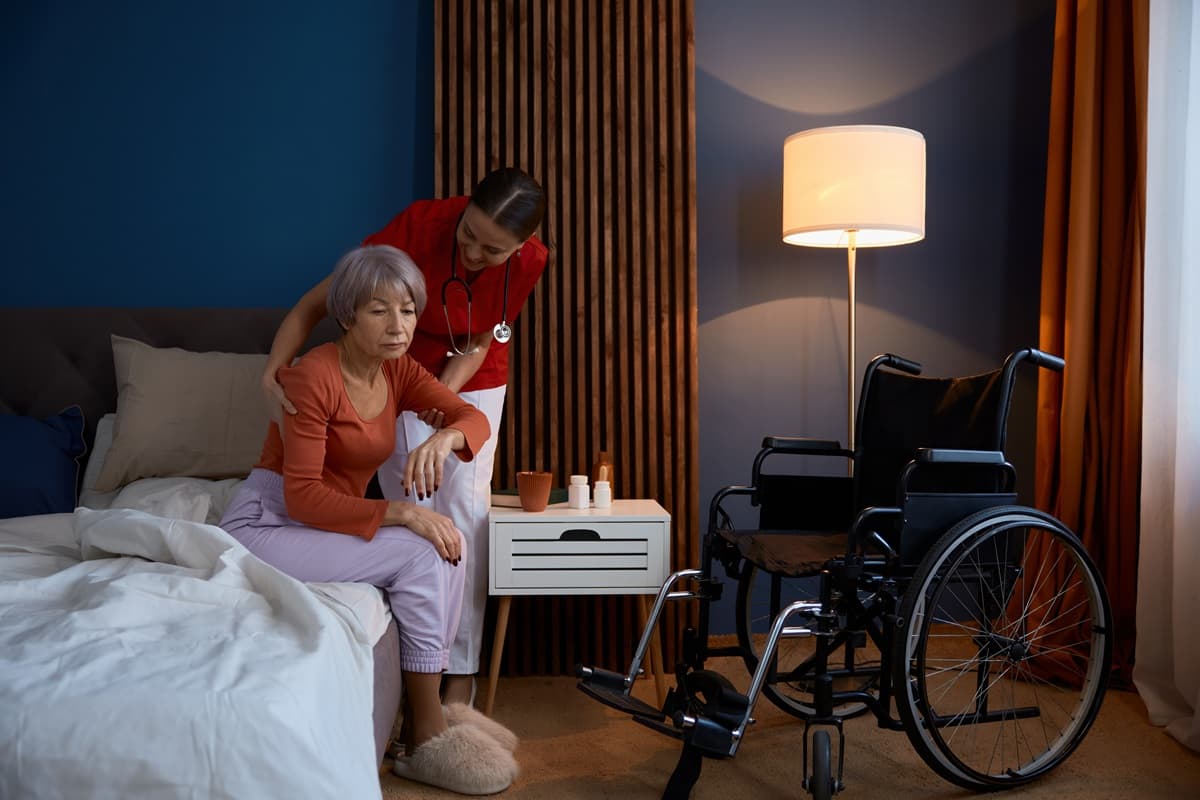
At MyLivingChoice, we recognize the importance of routines in the lives of individuals with memory impairments. Living with Alzheimer’s and other forms of dementia can be challenging, as it often disrupts their daily rhythm. Not only does it affect their memory, but it also impacts their ability to maintain a sense of time, place, and surroundings. They may experience moments of confusion, disorientation, and stress when they are unable to follow routines.
Routine provides a vital anchor for individuals in memory care, replacing the anxiety of the unknown with predictability and comfort. It supports cognitive function, promotes better sleep, and maximizes independence by reducing the stress of daily transitions.
Following familiar routines helps memory care residents ease overwhelming emotions such as agitation and aggression while offering comfort and confidence. These predictable structures of daily life shape residents’ experiences and help them maintain a good quality of life. Here’s a look at how routine enhances residents’ quality of life.
Supports Sleep
Dementia and related cognitive conditions affect one’s sleep routines. It interferes with their ability to get quality sleep. This happens because of difficulty following routines, which eventually disrupts their sleep schedule and overall quality of life. Memory care brings about the needed change through structured daytime and evening routines.
Residents follow regular wake-up times, engage in physical activity during the day, and experience calmer afternoons and evening routines. They get exposure to natural daylight that helps them set their body’s internal clock. Afternoons are filled with light socialization opportunities, while evening routines are designed to support rest. The staff promotes restful and relaxing activities and prepares a comfortable environment for residents to help them get a good night's sleep.
Helps With Nutrition
Another key element of daily memory care routines is regular mealtimes. These routines emphasize the importance of tailored nutritional support for residents to enhance their quality of life. The communal meals offer residents dual benefits: they provide nutritional support and encourage socialization. They don’t just get personalized meals; they receive them at set times each day, which creates a sense of comfort.
The dining spaces are designed to feel calming and distraction-free, so that residents can fully enjoy their meals. The scheduled mealtimes help seniors maintain a sense of normalcy and avoid confusion typically associated with hunger. Eating healthy, delicious meals every day offers them more than just nutrition; it offers predictability—a key element of managing dementia.
Less Confusion, More Confidence
Not knowing what to expect during the day causes individuals with dementia to feel confused and anxious. Without a plan or structured daily routines, they may feel less confident. Despite living in a thoughtfully designed space, they often feel lost or out of place.
The established daily routine helps restore a sense of normalcy to memory care residents’ lives. Doing tasks at the same time each day helps them feel more confident. As predictability and familiarity increase, uncertainty fades. Knowing exactly when to expect meals, activities, and rest creates a sense of control and helps them significantly reduce agitation.
Creates A Sense Of Stability & Consistency
For individuals with dementia, the world often feels unfamiliar or unsteady. Not having consistent daily routines often leads to a loss of purpose. This is what memory care routines address. The routine encourages residents to complete their daily tasks. Completing these tasks with caregiver assistance fosters a sense of stability and consistency for them.
The established schedules are not designed to limit or control residents’ daily experiences but to support them. Following familiar patterns brings calm. Receiving care from familiar faces brings reassurance for residents and helps them relax. This leads to greater emotional stability, which improves how they feel about their own lives and the people around them.
Preserves Independence
Dementia affects an older adult on multiple levels. At its core, it impairs their cognitive functioning, affecting memory and recall, as well as other vital brain functions. Because of these changes, the person may need assistance with activities of daily living; otherwise, they may risk their safety and well-being.
Along with the required support, caregivers provide residents with a daily living routine that serves as a discreet safety net. This means the staff guides them through their daily activities but assists only when necessary. Dressing themselves, handling their mobility needs, and making the bed gives residents a sense of independence. These small achievements can become meaningful victories.
Supports Cognitive Function
Declining functional and cognitive abilities affect an individual’s ability to live well. It impacts their neural pathways, which affect various areas of their lives. They begin to forget what their old, familiar routine was. Memory care routines can help with this.
Completing even simple, familiar actions like watering plants, brushing teeth, or setting the table helps keep cognitive reserves engaged and active. These tasks, which were once routine to them, also spark positive memories. Memory care routines also include cognitive exercises such as brain games and trivia, storytelling or reading groups, and arts and crafts. All these activities promote memory recall and focus and help with language and comprehension skills, too.
MyLivingChoice - Find The Perfect Memory Care Community
At MyLivingChoice, we consider structured routines one of the most valuable elements of quality memory care services. They shape residents’ daily care, allow them to navigate daily life comfortably, and support their overall well-being. The role these consistent daily routines play extends beyond general wellness, supporting residents’ quality of life.
Families seeking a trusted memory care option for their loved one with dementia can contact us at MyLivingChoice. As a senior living directory, we feature a wide range of trusted memory care communities so you can choose the right ones. Using our advanced search filters, you can find an option that matches your loved one’s lifestyle.