Mary Free Bed Rehabilitation Hospital
235 Wealthy Street SE, 5th FloorOwn this community? Update your listing · Marketing for operators
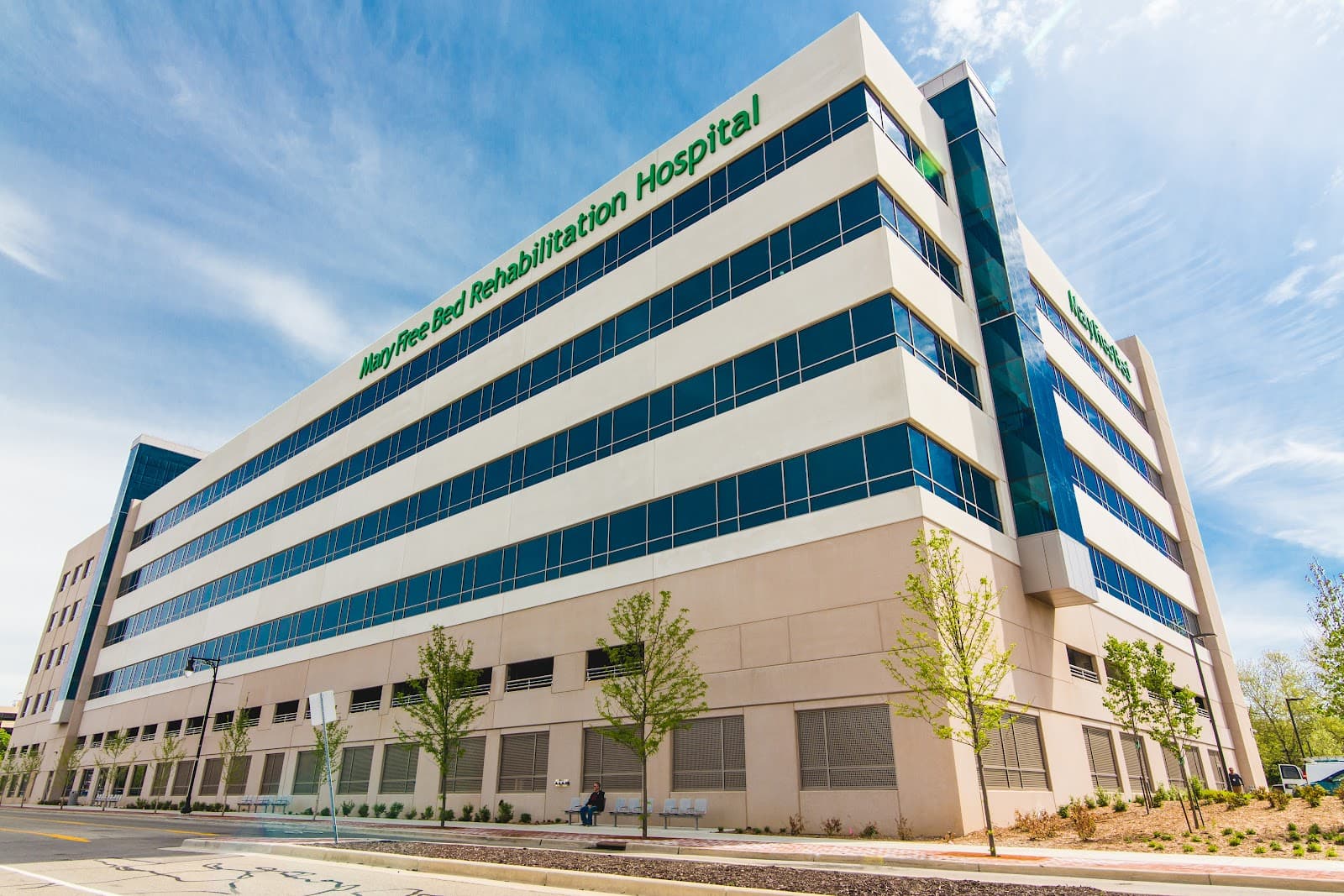 1 / 5
1 / 5Quick Facts
- Medicare rating
- 4 of 5
- Ownership
- Non profit, Corporation
- Certified beds
- 48
- Inspections
- View history (15 citations)
CMS Care Compare
Mary Free Bed Rehabilitation Hospital is a senior living community in Grand Rapids, Michigan offering Skilled Nursing / Long Term Care. Amenities include Emergency Call System, Wheelchair Accessible and 24-Hour Staff.
About Mary Free Bed Rehabilitation Hospital
Mary Free Bed Rehabilitation Hospital is a skilled nursing and long-term care facility in Grand Rapids, Michigan. Licensed for up to 48 beds, it is Medicare and Medicaid certified.
The facility provides 24-hour staffing with on-site registered nurses, medication management, and an emergency call system. The building is wheelchair accessible to accommodate residents with mobility needs.
The hospital holds a 3-star rating from the Centers for Medicare and Medicaid Services.
Types of Care at Mary Free Bed Rehabilitation Hospital
Amenities
Room Amenities
- Emergency Call System
- Wheelchair Accessible
Community Amenities
- 24-Hour Staff
- Medication Management
- On-Site Nurse (RN)
Need help deciding?
Tell us what you're looking for and we'll match you with communities that fit. Free for families.
Help Me ChooseReviews of Mary Free Bed Rehabilitation Hospital
No reviews yet for this community. Be the first.
Government Inspection History
5 inspection visits in the last three years, 15 citations on file. Inspections are conducted by state agencies on behalf of the U.S. Centers for Medicare & Medicaid Services (CMS).
May 13, 2026Health Complaint1 citation
Ensure that a nursing home area is free from accident hazards and provides adequate supervision to prevent accidents.
Severity D of L: no actual harm, potential for more than minimal harm, isolatedFound during a complaint inspectionCorrected Jun 9, 2026
Oct 21, 2025Health Complaint1 citation
Ensure that residents are free from significant medication errors.
Severity G of L: actual harm, isolatedFound during a complaint inspectionCorrected Oct 17, 2025
Apr 16, 2025Fire Safety StandardHealth ComplaintHealth Standard3 citations
Procure food from sources approved or considered satisfactory and store, prepare, distribute and serve food in accordance with professional standards.
Severity F of L: no actual harm, potential for more than minimal harm, widespreadCorrected May 26, 2025
Provide and implement an infection prevention and control program.
Severity F of L: no actual harm, potential for more than minimal harm, widespreadCorrected May 26, 2025
Ensure that a nursing home area is free from accident hazards and provides adequate supervision to prevent accidents.
Severity D of L: no actual harm, potential for more than minimal harm, isolatedFound during a complaint inspectionCorrected Mar 27, 2025
May 16, 2024Fire Safety StandardHealth Standard3 citations
Procure food from sources approved or considered satisfactory and store, prepare, distribute and serve food in accordance with professional standards.
Severity F of L: no actual harm, potential for more than minimal harm, widespreadCorrected Jun 10, 2024
Conduct and document a facility-wide assessment to determine what resources are necessary to care for residents competently during both day-to-day operations (including nights and weekends) and emergencies.
Severity C of L: potential for minimal harm, widespreadCorrected Jun 10, 2024
Post nurse staffing information every day.
Severity C of L: potential for minimal harm, widespreadCorrected Jun 10, 2024
Mar 22, 2023Fire Safety StandardHealth Standard7 citations
Procure food from sources approved or considered satisfactory and store, prepare, distribute and serve food in accordance with professional standards.
Severity F of L: no actual harm, potential for more than minimal harm, widespreadCorrected Apr 28, 2023
Have generator or other power source capable of supplying service within 10 seconds.
Severity F of L: no actual harm, potential for more than minimal harm, widespreadCorrected Apr 28, 2023
Have elevators that firefighters can control in the event of a fire.
Severity F of L: no actual harm, potential for more than minimal harm, widespreadCorrected Apr 28, 2023
Ensure each resident’s drug regimen must be free from unnecessary drugs.
Severity D of L: no actual harm, potential for more than minimal harm, isolatedCorrected Apr 28, 2023
Develop the complete care plan within 7 days of the comprehensive assessment; and prepared, reviewed, and revised by a team of health professionals.
Severity D of L: no actual harm, potential for more than minimal harm, isolatedCorrected Apr 28, 2023
Ensure that a nursing home area is free from accident hazards and provides adequate supervision to prevent accidents.
Severity D of L: no actual harm, potential for more than minimal harm, isolatedCorrected May 12, 2022
Observe each nurse aide's job performance and give regular training.
Severity B of L: potential for minimal harm, patternCorrected Apr 28, 2023
Source: CMS Care Compare, public federal data covering certified nursing facilities, refreshed monthly. Citations range from A (least serious) to L (most serious) on the federal scope and severity scale. Most citations are corrected quickly; review the details and ask the community about anything that concerns you.
Frequently Asked Questions
What types of care does Mary Free Bed Rehabilitation Hospital offer?
Mary Free Bed Rehabilitation Hospital offers Skilled Nursing / Long Term Care.
How much does Mary Free Bed Rehabilitation Hospital cost?
Mary Free Bed Rehabilitation Hospital has not published its pricing. For context, communities in Grand Rapids that publish rates start around $4,591 per month at the median. Final costs depend on care needs and apartment selection, so contact the community for a quote.
Where is Mary Free Bed Rehabilitation Hospital located?
Mary Free Bed Rehabilitation Hospital is located at 235 Wealthy Street SE, 5th Floor in Grand Rapids, Michigan.
How did Mary Free Bed Rehabilitation Hospital do on recent health and safety inspections?
Mary Free Bed Rehabilitation Hospital had 5 government inspection visits in the last three years, with 15 citations on file according to CMS Care Compare data. The full history, including what each citation was for and whether it was corrected, is in the inspection section on this page.
How can families visit Mary Free Bed Rehabilitation Hospital?
Submit the Request Information form on this page, or contact Mary Free Bed Rehabilitation Hospital directly, to arrange a tour. Sharing your timeline and care needs up front helps the community prepare for your visit.
Work at Mary Free Bed Rehabilitation Hospital? Claim this listing to update photos, pricing, and details. It's free.
Nearby Communities
Other senior living options within 25 miles of Grand Rapids.
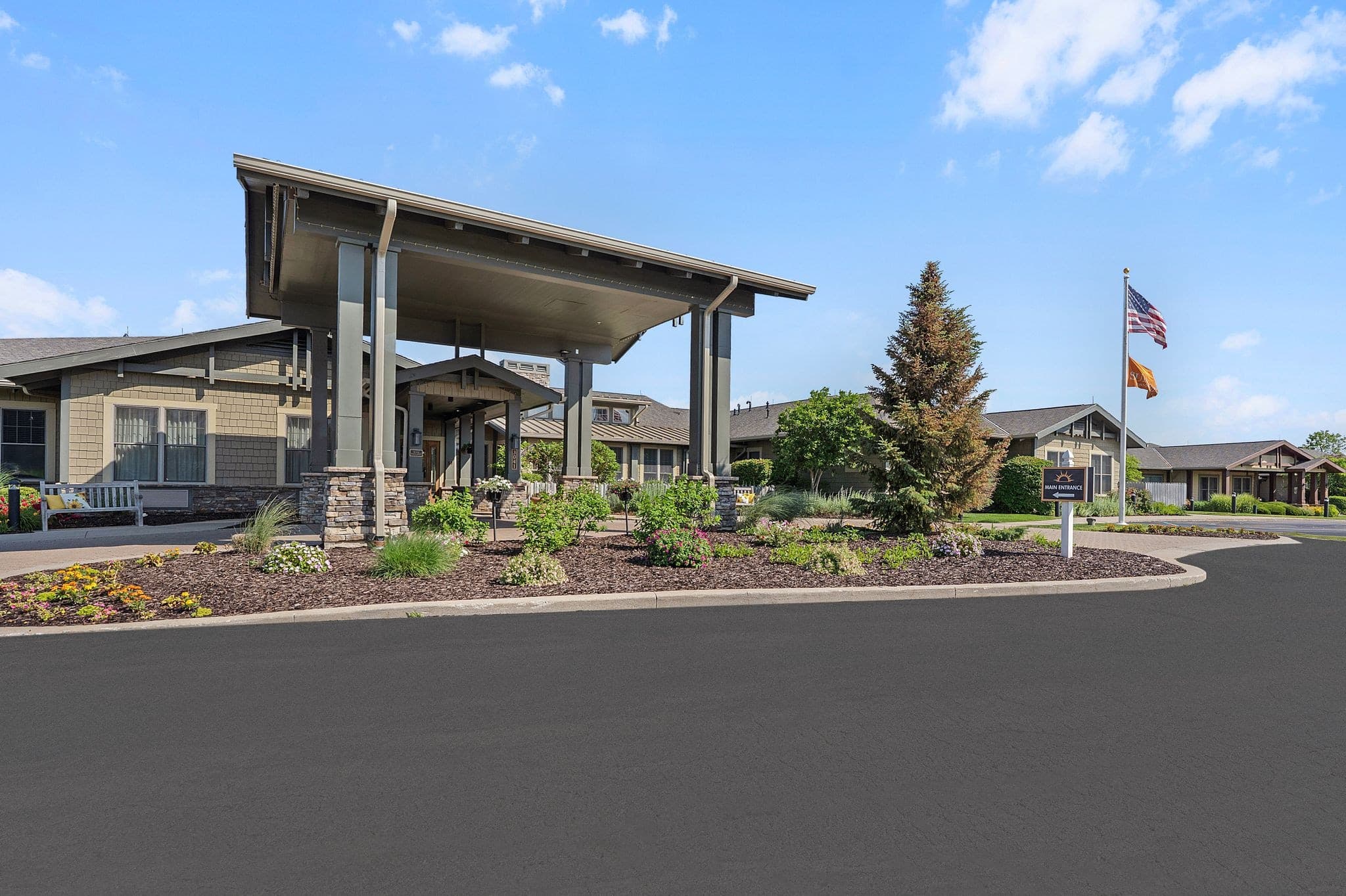 From $4,600/moPartner
Sunrise of Cascade
Grand Rapids, Michigan7.7 mi
3.8(33)
Assisted LivingMemory CareRespite / Short-Term Care
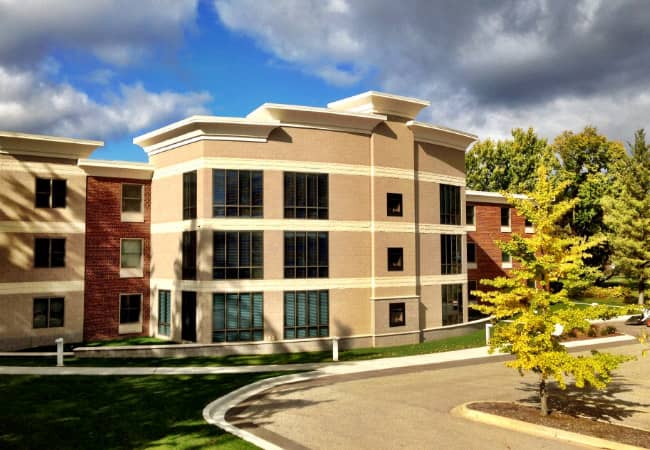
Aquinata Hall
Grand Rapids, Michigan0 mi
5(3)
Assisted Living
Corewell Health Grand Rapids Hospitals Rehabilitation and Nursing Center – 1226 Cedar St
Grand Rapids, Michigan0 mi
3.2(6)
Skilled Nursing / Long Term Care
Clark at Franklin
Grand Rapids, Michigan1.5 mi
4(39)
Assisted LivingIndependent LivingMemory Care+1 more

Rest Haven Home
Grand Rapids, Michigan1.6 mi
4.8(11)
Assisted LivingIndependent LivingMemory Care

Care Cardinal Alger Heights
Grand Rapids, Michigan1.7 mi
4.3(31)
Assisted LivingIndependent LivingMemory Care+2 more
Prefer to stay home?
Home care agencies serving Grand Rapids bring help to the house: daily living, companionship, and respite for family caregivers.