MyLivingChoice

Transitional Care Of Seattle

2611 S DEARBORN STREET

2.8(16 ratings)· SEATTLE average: 4.2

Own this community? Update your listing

Transitional Care Of Seattle, photo 11 / 5

Quick Facts

Medicare rating
4 of 5

CMS Care Compare

Ownership
For profit, Limited Liability company
Certified beds
165
Respite care
Short-term respite stays for caregiver breaks or trials
Memory care support
Structured environment for Alzheimer's and dementia patients
Therapy services
On-site physical, occupational, speech and swallowing therapy

What Families Think

An automated summary of family reviews and public information. Not verified by MyLivingChoice; confirm services, staffing and pricing with the community.

Reviews for Transitional Care of Seattle are sharply divided: several families and residents praise compassionate, hardworking staff and describe good group activities and socializing, while many others report serious concerns about understaffing, slow response to call lights, poor food quality, and neglect. The low overall Google rating reflects this split, with more negative than positive reports.

What reviewers praise

  • Staff described as caring and compassionate
  • One reviewer noted high nurse-to-patient ratio
  • Residents enjoy group activities and socializing
  • Respite stay option for temporary or trial care
  • Positive praise for admissions and administration team

What reviewers flag

  • Multiple reports of slow call-light response, up to an hour
  • Several complaints about poor, inedible food
  • One report of resident left in urine/feces for hours
  • One report of missed blood sugar monitoring leading to hospitalization
  • One reviewer described frequent screams for help from residents

AI-generated from reviews and community data.

Transitional Care Of Seattle is a senior living community in SEATTLE, Washington offering Skilled Nursing / Long Term Care. Amenities include Gathering / Activity Spaces, Social Activities and Housekeeping. Families rate it 2.8 out of 5 across 16 reviews.

About Transitional Care Of Seattle

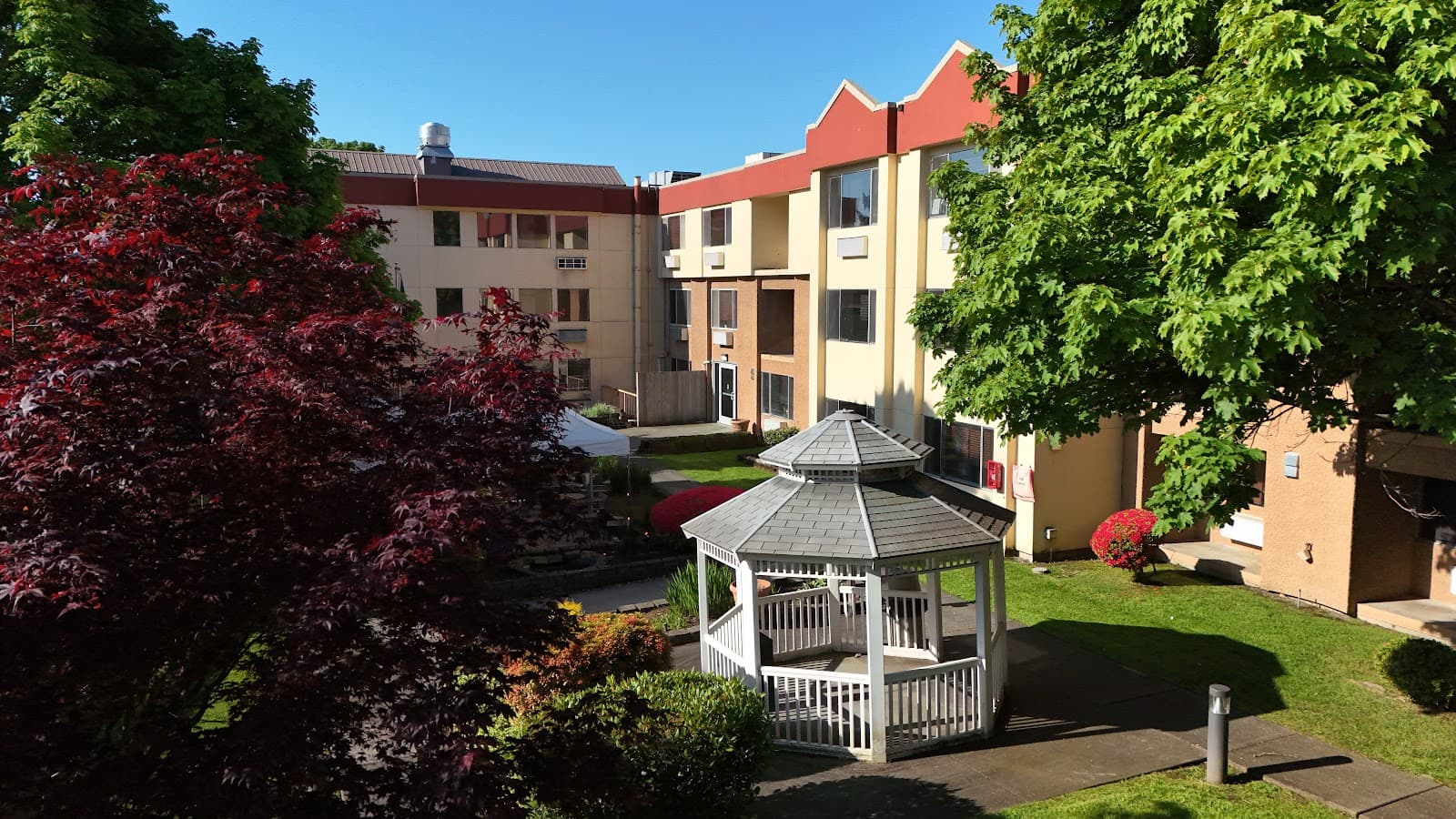
Transitional Care of Seattle is a skilled nursing and rehabilitation community that provides both short-term post-acute rehabilitation and long-term skilled nursing care. The community focuses on patient-centered, compassionate care delivered in a peaceful, home-like setting designed to help patients recover and regain quality of life.

Rehabilitation therapy services are tailored to individual needs, with programs aimed at restoring mobility, strength, and independence following illness, injury, or surgery. Therapy offerings address physical health, balance, and fall prevention, as well as help with essential daily living skills such as dressing, grooming, and meal preparation using adaptive tools and techniques. Additional support focuses on communication, cognitive function, and swallowing ability to help patients regain confidence and improve quality of life.

For patients with Alzheimer's and other dementia-related conditions, the community offers a safe, structured, and nurturing environment. Care teams provide stability and personalized support through memory cues, familiar routines, and specialized programs and activities designed to encourage daily engagement and connection, all within a warm, home-like setting built for safety and ease of navigation. Education and resources are also available for families supporting a loved one through this journey.

A Respite Stay program is available for families needing temporary care solutions, whether for caregiver breaks, post-hospital recovery, or trial stays before a long-term care decision. This program offers a safe and supportive environment with skilled nursing care available around the clock.

Patients are supported through personalized meal choices, engaging activities, and specialized therapy services designed around individual preferences. The community also offers a range of supplementary care options and can connect patients and families with additional community resources when a specific need falls outside its scope of services.

Types of Care at Transitional Care Of Seattle

Skilled Nursing / Long Term Care

Amenities

Room Amenities

  • Emergency Call System
  • Wheelchair Accessible

Community Amenities

  • 24-Hour Staff
  • Gathering / Activity Spaces
  • Housekeeping
  • Medication Management
  • On-Site Nurse (RN)

Activities

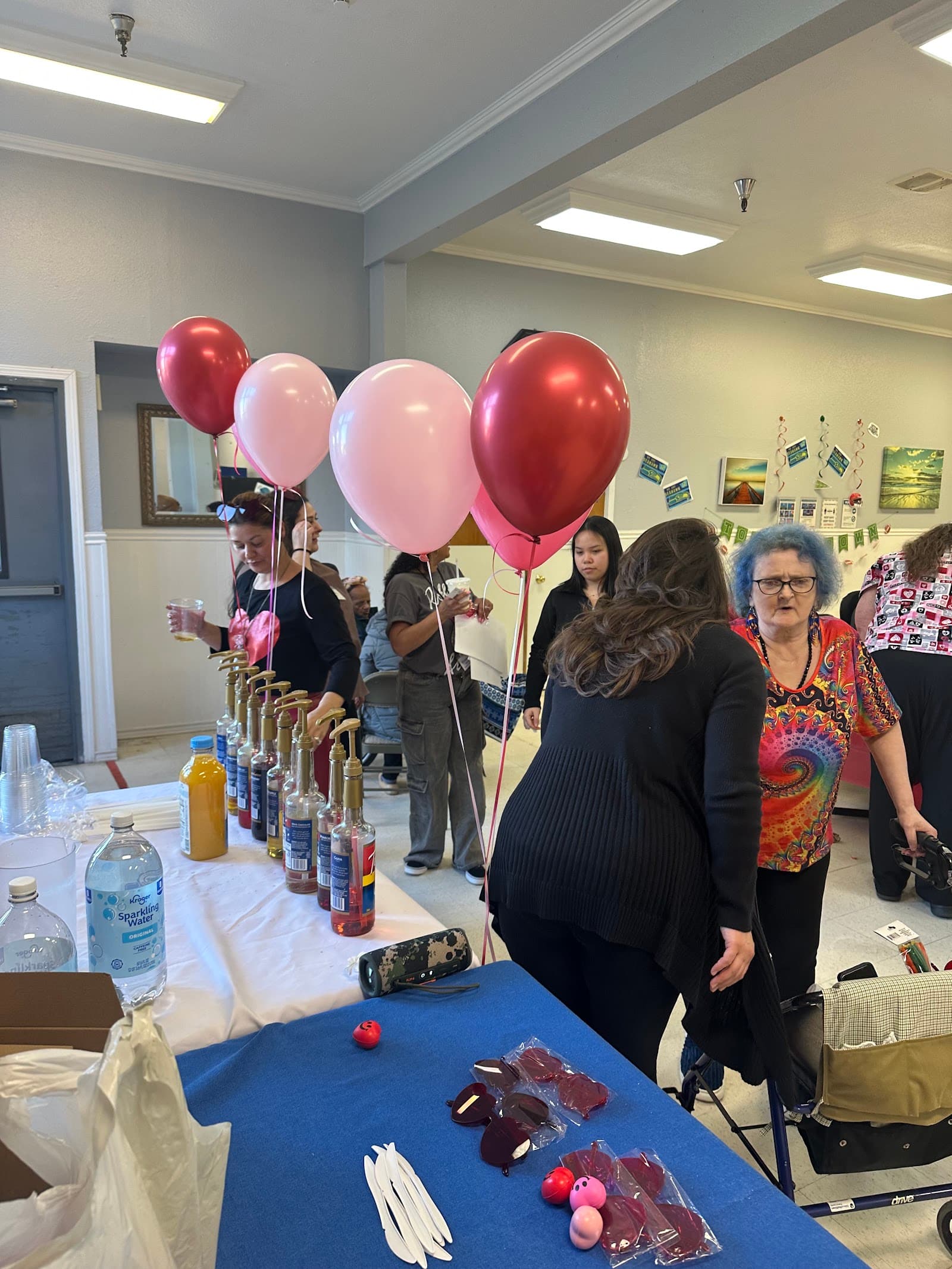
  • Social Activities (Happy Hour, Wine Tasting, Dances, Karaoke)

Need help deciding?

Tell us what you're looking for and we'll match you with communities that fit. Free for families.

Help Me Choose

Reviews of Transitional Care Of Seattle

2.8overall · 16 ratings combined

2.8★ on Google (16)

Crapping Elk

Jul 2026

via Google ↗

I live here, it's an awful place to live. We are constantly UNDERSTAFFED. When I call for help it takes 30-40 minutes for help. The food is gross. The kitchen staff doesn't communicate making food served unwanted Several pieces of property have been broken or stolen and never ever replaced. Please, if you truly hate someone.... Sent that person to Transitional Care Center of Seattle. By the way... The eggs served here ARE fake. Powdered eggs or some frozen disk with the yellow directly in the center... It's awful here.

Emma Follender

Jun 2026

via Google ↗

I live next to this building, and it seems the residents are often neglected. There are constant screams for help. If it was just one person, it could be dismissed as someone having a crisis, but I've heard many different people screaming for help over the last 3 years. If I were ever looking for care for a loved one, I wouldn't think to send them here.

BigBad John

Dec 2025

via Google ↗

It's difficult to give this place a one star. A negative 3 fits here.

Tamara Renee

Oct 2025

via Google ↗

Do NOT bring your loved ones here. My brother came for rehab and all they have done is make him worse. The food is mostly inedible and the care from the staff is hit or miss.... mostly miss. They leave him in urine and feces for up to 24 hours before they clean him up. Unfortunately this seems to be the state of care in many, if not most, rehab and long term care facilities now a days.

Request information

Ask about availability, pricing, or a tour.

Have you already been in touch with Transitional Care Of Seattle?

By submitting, you're okay with us and Transitional Care Of Seattle reaching out by phone, email or text. Always free for families; if you move in, the community may pay us a referral fee, never you.

Government Inspection History

7 inspection visits in the last three years, 71 citations on file. Inspections are conducted by state agencies on behalf of the U.S. Centers for Medicare & Medicaid Services (CMS).

Jan 30, 2026Health Complaint2 citations
  • Provide appropriate pressure ulcer care and prevent new ulcers from developing.

    Severity D of L: no actual harm, potential for more than minimal harm, isolatedFound during a complaint inspectionCorrected Mar 19, 2026

  • Ensure services provided by the nursing facility meet professional standards of quality.

    Severity D of L: no actual harm, potential for more than minimal harm, isolatedFound during a complaint inspectionCorrected Mar 19, 2026

Sep 23, 2025Fire Safety StandardHealth Standard31 citations
  • Meet other general requirements.

    Severity F of L: no actual harm, potential for more than minimal harm, widespreadCorrected Oct 20, 2025

  • Provide properly protected cooking facilities.

    Severity F of L: no actual harm, potential for more than minimal harm, widespreadCorrected Oct 20, 2025

  • Follow proper procedures when the fire alarm was out of service for more than 4 hours.

    Severity F of L: no actual harm, potential for more than minimal harm, widespreadCorrected Oct 20, 2025

  • Inspect, test, and maintain automatic sprinkler systems.

    Severity F of L: no actual harm, potential for more than minimal harm, widespreadCorrected Dec 20, 2025

  • Follow proper procedures when the automatic sprinkler systems was out of service for more than 10 hours.

    Severity F of L: no actual harm, potential for more than minimal harm, widespreadCorrected Oct 20, 2025

  • Provide a written emergency evacuation plan.

    Severity F of L: no actual harm, potential for more than minimal harm, widespreadCorrected Oct 20, 2025

  • Have simulated fire drills held at unexpected times.

    Severity F of L: no actual harm, potential for more than minimal harm, widespreadCorrected Oct 20, 2025

  • Have a battery powered remote alarm panel in a location accessible by operating personnel.

    Severity F of L: no actual harm, potential for more than minimal harm, widespreadCorrected Oct 20, 2025

  • Have generator or other power source capable of supplying service within 10 seconds.

    Severity F of L: no actual harm, potential for more than minimal harm, widespreadCorrected Oct 20, 2025

  • Ensure that testing and maintenance of electrical equipment is performed.

    Severity F of L: no actual harm, potential for more than minimal harm, widespreadCorrected Oct 20, 2025

  • Include a process for Emergency Preparedness collaboration.

    Severity F of L: no actual harm, potential for more than minimal harm, widespreadCorrected Oct 20, 2025

  • Provide a means of sharing information on occupancy/needs.

    Severity F of L: no actual harm, potential for more than minimal harm, widespreadCorrected Oct 20, 2025

  • Provide and implement an infection prevention and control program.

    Severity E of L: no actual harm, potential for more than minimal harm, patternCorrected Oct 29, 2025

  • Provide the required documentation or notification related to the resident's needs, appeal rights, or bed-hold policies.

    Severity E of L: no actual harm, potential for more than minimal harm, patternCorrected Oct 29, 2025

  • Provide safe and appropriate respiratory care for a resident when needed.

    Severity E of L: no actual harm, potential for more than minimal harm, patternCorrected Oct 29, 2025

  • Ensure that nurses and nurse aides have the appropriate competencies to care for every resident in a way that maximizes each resident's well being.

    Severity E of L: no actual harm, potential for more than minimal harm, patternCorrected Oct 29, 2025

  • Ensure food and drink is palatable, attractive, and at a safe and appetizing temperature.

    Severity E of L: no actual harm, potential for more than minimal harm, patternCorrected Oct 29, 2025

  • Install smoke barrier doors that can resist smoke for at least 20 minutes.

    Severity E of L: no actual harm, potential for more than minimal harm, patternCorrected Oct 20, 2025

  • Have corridors or aisles that are unobstructed and are at least 8 feet in width.

    Severity E of L: no actual harm, potential for more than minimal harm, patternCorrected Oct 20, 2025

  • Ensure proper usage of power strips and extension cords.

    Severity D of L: no actual harm, potential for more than minimal harm, isolatedCorrected Oct 20, 2025

  • Provide appropriate care for residents who are continent or incontinent of bowel/bladder, appropriate catheter care, and appropriate care to prevent urinary tract infections.

    Severity D of L: no actual harm, potential for more than minimal harm, isolatedCorrected Oct 29, 2025

  • Reasonably accommodate the needs and preferences of each resident.

    Severity D of L: no actual harm, potential for more than minimal harm, isolatedCorrected Oct 29, 2025

  • Honor the resident's right to a safe, clean, comfortable and homelike environment, including but not limited to receiving treatment and supports for daily living safely.

    Severity D of L: no actual harm, potential for more than minimal harm, isolatedCorrected Oct 29, 2025

  • Ensure that a nursing home area is free from accident hazards and provides adequate supervision to prevent accidents.

    Severity D of L: no actual harm, potential for more than minimal harm, isolatedCorrected Oct 29, 2025

  • Provide activities to meet all resident's needs.

    Severity D of L: no actual harm, potential for more than minimal harm, isolatedCorrected Oct 29, 2025

  • Add doors in an exit area that do not require the use of a key from the exit side unless in case of special locking arrangements.

    Severity D of L: no actual harm, potential for more than minimal harm, isolatedCorrected Oct 20, 2025

  • Ensure services provided by the nursing facility meet professional standards of quality.

    Severity D of L: no actual harm, potential for more than minimal harm, isolatedCorrected Oct 29, 2025

  • Assess the resident when there is a significant change in condition

    Severity D of L: no actual harm, potential for more than minimal harm, isolatedCorrected Oct 29, 2025
  • Respond appropriately to all alleged violations.

    Severity D of L: no actual harm, potential for more than minimal harm, isolatedCorrected Oct 29, 2025
  • PASARR screening for Mental disorders or Intellectual Disabilities

    Severity D of L: no actual harm, potential for more than minimal harm, isolatedCorrected Oct 29, 2025
  • Develop the complete care plan within 7 days of the comprehensive assessment; and prepared, reviewed, and revised by a team of health professionals.

    Severity D of L: no actual harm, potential for more than minimal harm, isolatedCorrected Oct 29, 2025

Nov 18, 2024Health Complaint2 citations
  • Develop and implement a complete care plan that meets all the resident's needs, with timetables and actions that can be measured.

    Severity D of L: no actual harm, potential for more than minimal harm, isolatedFound during a complaint inspectionCorrected Dec 17, 2024

  • Provide medically-related social services to help each resident achieve the highest possible quality of life.

    Severity D of L: no actual harm, potential for more than minimal harm, isolatedFound during a complaint inspectionCorrected Dec 17, 2024

Jun 13, 2024Fire Safety StandardHealth Standard17 citations
  • Provide primary/alternate means for communication.

    Severity F of L: no actual harm, potential for more than minimal harm, widespreadCorrected Aug 1, 2024

  • Notify each resident of certain balances and convey resident funds upon discharge, eviction, or death.

    Severity E of L: no actual harm, potential for more than minimal harm, patternCorrected Jul 11, 2024

  • Provide safe, appropriate dialysis care/services for a resident who requires such services.

    Severity E of L: no actual harm, potential for more than minimal harm, patternCorrected Jul 11, 2024

  • Ensure a licensed pharmacist perform a monthly drug regimen review, including the medical chart, following irregularity reporting guidelines in developed policies and procedures.

    Severity E of L: no actual harm, potential for more than minimal harm, patternCorrected Jul 11, 2024

  • Procure food from sources approved or considered satisfactory and store, prepare, distribute and serve food in accordance with professional standards.

    Severity E of L: no actual harm, potential for more than minimal harm, patternCorrected Jul 11, 2024

  • Properly hold, secure, and manage each resident's personal money which is deposited with the nursing home.

    Severity E of L: no actual harm, potential for more than minimal harm, patternCorrected Jul 11, 2024

  • Develop the complete care plan within 7 days of the comprehensive assessment; and prepared, reviewed, and revised by a team of health professionals.

    Severity E of L: no actual harm, potential for more than minimal harm, patternCorrected Jul 11, 2024

  • Ensure each resident receives an accurate assessment.

    Severity D of L: no actual harm, potential for more than minimal harm, isolatedCorrected Jul 11, 2024

  • Honor the resident's right to organize and participate in resident/family groups in the facility.

    Severity D of L: no actual harm, potential for more than minimal harm, isolatedCorrected Jul 11, 2024

  • Assure that each resident’s assessment is updated at least once every 3 months.

    Severity D of L: no actual harm, potential for more than minimal harm, isolatedCorrected Jul 11, 2024

  • Ensure services provided by the nursing facility meet professional standards of quality.

    Severity D of L: no actual harm, potential for more than minimal harm, isolatedCorrected Jul 11, 2024

  • Plan the resident's discharge to meet the resident's goals and needs.

    Severity D of L: no actual harm, potential for more than minimal harm, isolatedCorrected Jul 11, 2024

  • Provide appropriate care for a resident to maintain and/or improve range of motion (ROM), limited ROM and/or mobility, unless a decline is for a medical reason.

    Severity D of L: no actual harm, potential for more than minimal harm, isolatedCorrected Jul 11, 2024

  • Provide medically-related social services to help each resident achieve the highest possible quality of life.

    Severity D of L: no actual harm, potential for more than minimal harm, isolatedCorrected Jul 11, 2024

  • Ensure food and drink is palatable, attractive, and at a safe and appetizing temperature.

    Severity D of L: no actual harm, potential for more than minimal harm, isolatedCorrected Jul 11, 2024

  • Provide or get specialized rehabilitative services as required for a resident.

    Severity D of L: no actual harm, potential for more than minimal harm, isolatedCorrected Jul 11, 2024

  • Ensure proper usage of power strips and extension cords.

    Severity D of L: no actual harm, potential for more than minimal harm, isolatedCorrected Aug 1, 2024

May 31, 2024Health Complaint1 citation
  • Ensure that a nursing home area is free from accident hazards and provides adequate supervision to prevent accidents.

    Severity G of L: actual harm, isolatedFound during a complaint inspectionCorrected Jun 8, 2024

Oct 13, 2023Health Complaint1 citation
  • Ensure menus must meet the nutritional needs of residents, be prepared in advance, be followed, be updated, be reviewed by dietician, and meet the needs of the resident.

    Severity E of L: no actual harm, potential for more than minimal harm, patternFound during a complaint inspectionCorrected Nov 16, 2023

Mar 2, 2023Fire Safety StandardHealth Standard17 citations
  • Have generator or other power source capable of supplying service within 10 seconds.

    Severity F of L: no actual harm, potential for more than minimal harm, widespreadCorrected Apr 9, 2023

  • Ensure that personnel concerned with handling of medical gases and cylinders are trained on the risk.

    Severity F of L: no actual harm, potential for more than minimal harm, widespreadCorrected Apr 9, 2023

  • Inspect, test, and maintain automatic sprinkler systems.

    Severity F of L: no actual harm, potential for more than minimal harm, widespreadCorrected Apr 9, 2023

  • Have simulated fire drills held at unexpected times.

    Severity F of L: no actual harm, potential for more than minimal harm, widespreadCorrected Apr 9, 2023

  • Have stairways and smokeproof enclosures used as exits that meet safety requirements.

    Severity F of L: no actual harm, potential for more than minimal harm, widespreadCorrected Apr 9, 2023

  • Have properly located and lighted "Exit" signs.

    Severity F of L: no actual harm, potential for more than minimal harm, widespreadCorrected Apr 9, 2023

  • Add doors in an exit area that do not require the use of a key from the exit side unless in case of special locking arrangements.

    Severity F of L: no actual harm, potential for more than minimal harm, widespreadCorrected Apr 9, 2023

  • Have properly installed electrical wiring and gas equipment.

    Severity E of L: no actual harm, potential for more than minimal harm, patternCorrected Apr 9, 2023

  • Ensure that special areas are constructed so that walls can resist fire for one hour or have an approved fire extinguishing system.

    Severity E of L: no actual harm, potential for more than minimal harm, patternCorrected Apr 9, 2023

  • Ensure that a nursing home area is free from accident hazards and provides adequate supervision to prevent accidents.

    Severity D of L: no actual harm, potential for more than minimal harm, isolatedCorrected Apr 5, 2023

  • PASARR screening for Mental disorders or Intellectual Disabilities

    Severity D of L: no actual harm, potential for more than minimal harm, isolatedCorrected Apr 5, 2023

  • Coordinate assessments with the pre-admission screening and resident review program; and referring for services as needed.

    Severity D of L: no actual harm, potential for more than minimal harm, isolatedCorrected Apr 5, 2023

  • Ensure each resident receives an accurate assessment.

    Severity D of L: no actual harm, potential for more than minimal harm, isolatedCorrected Apr 5, 2023

  • Provide timely notification to the resident, and if applicable to the resident representative and ombudsman, before transfer or discharge, including appeal rights.

    Severity D of L: no actual harm, potential for more than minimal harm, isolatedCorrected Apr 5, 2023

  • Ensure proper usage of power strips and extension cords.

    Severity D of L: no actual harm, potential for more than minimal harm, isolatedCorrected Apr 9, 2023

  • Install a fire alarm system that can be heard throughout the facility.

    Severity D of L: no actual harm, potential for more than minimal harm, isolatedCorrected Apr 9, 2023

  • Develop the complete care plan within 7 days of the comprehensive assessment; and prepared, reviewed, and revised by a team of health professionals.

    Severity D of L: no actual harm, potential for more than minimal harm, isolatedCorrected Apr 5, 2023

Source: CMS Care Compare, public federal data covering certified nursing facilities, refreshed monthly. Citations range from A (least serious) to L (most serious) on the federal scope and severity scale. Most citations are corrected quickly; review the details and ask the community about anything that concerns you.

Frequently Asked Questions

What types of care does Transitional Care Of Seattle offer?

Transitional Care Of Seattle offers Skilled Nursing / Long Term Care.

Where is Transitional Care Of Seattle located?

Transitional Care Of Seattle is located at 2611 S DEARBORN STREET in SEATTLE, Washington.

What do families say about Transitional Care Of Seattle?

Reviews for Transitional Care of Seattle are sharply divided: several families and residents praise compassionate, hardworking staff and describe good group activities and socializing, while many others report serious concerns about understaffing, slow response to call lights, poor food quality, and neglect. The low overall Google rating reflects this split, with more negative than positive reports.

How did Transitional Care Of Seattle do on recent health and safety inspections?

Transitional Care Of Seattle had 7 government inspection visits in the last three years, with 71 citations on file according to CMS Care Compare data. The full history, including what each citation was for and whether it was corrected, is in the inspection section on this page.

How can families visit Transitional Care Of Seattle?

Submit the Request Information form on this page, or contact Transitional Care Of Seattle directly, to arrange a tour. Sharing your timeline and care needs up front helps the community prepare for your visit.

Work at Transitional Care Of Seattle? Claim this listing to update photos, pricing, and details. It's free.

Nearby Communities

Other senior living options within 25 miles of SEATTLE.

Prefer to stay home?

Home care agencies serving SEATTLE bring help to the house: daily living, companionship, and respite for family caregivers.