MyLivingChoice

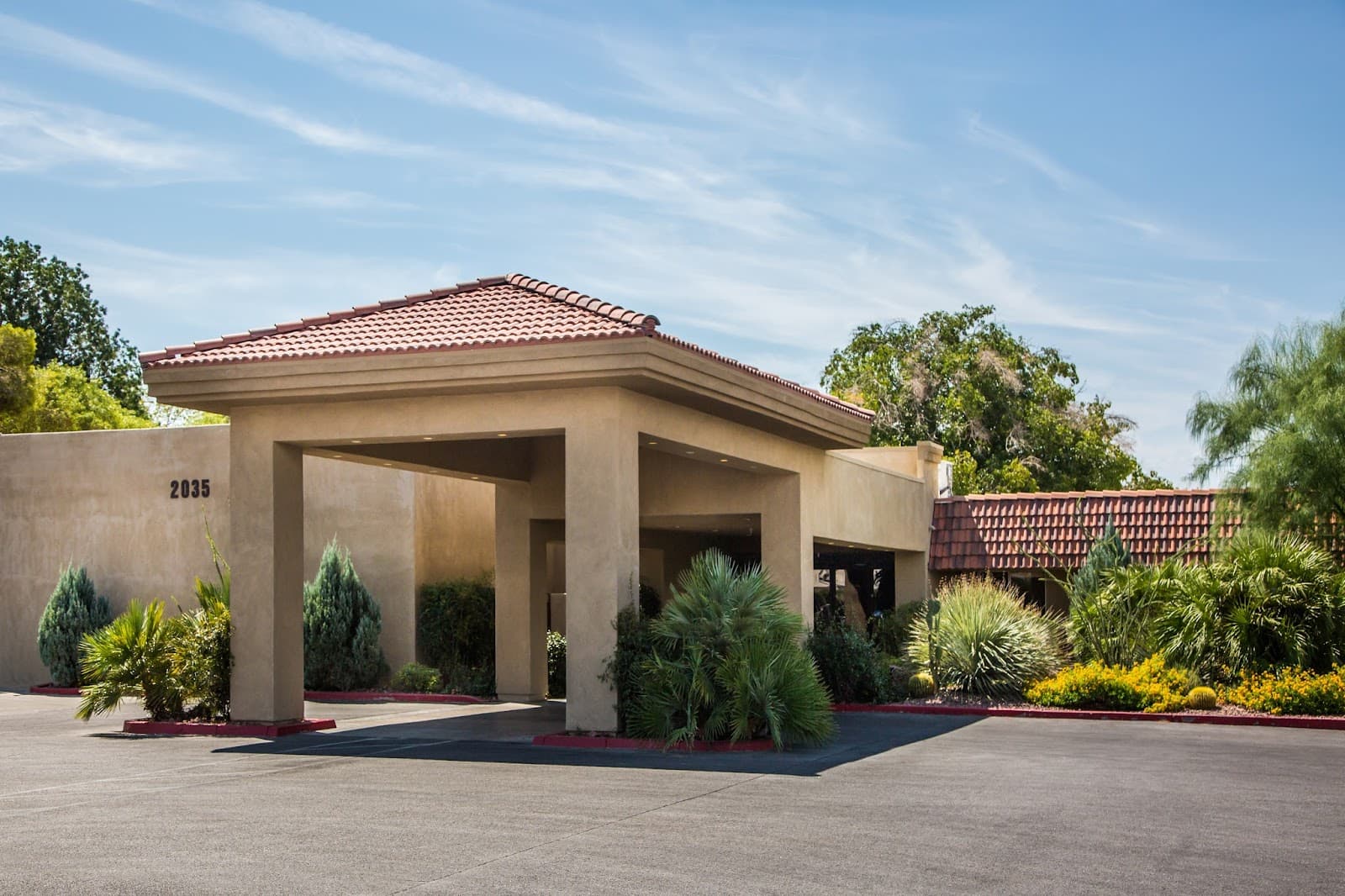
St. Joseph Transitional Rehabilitation Center

2035 W. Charleston Blvd.

2.6(53 ratings)· Las Vegas average: 4.2

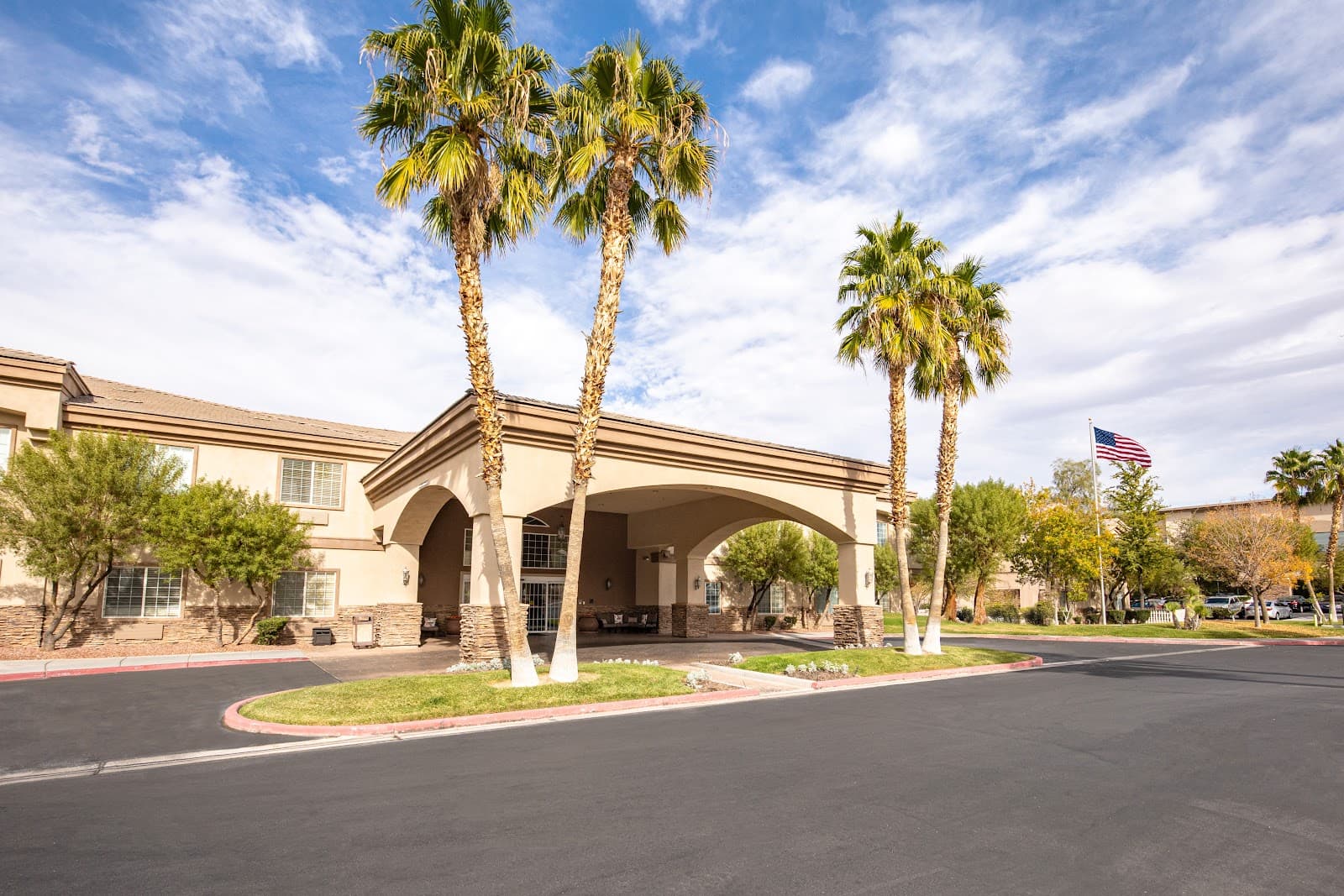
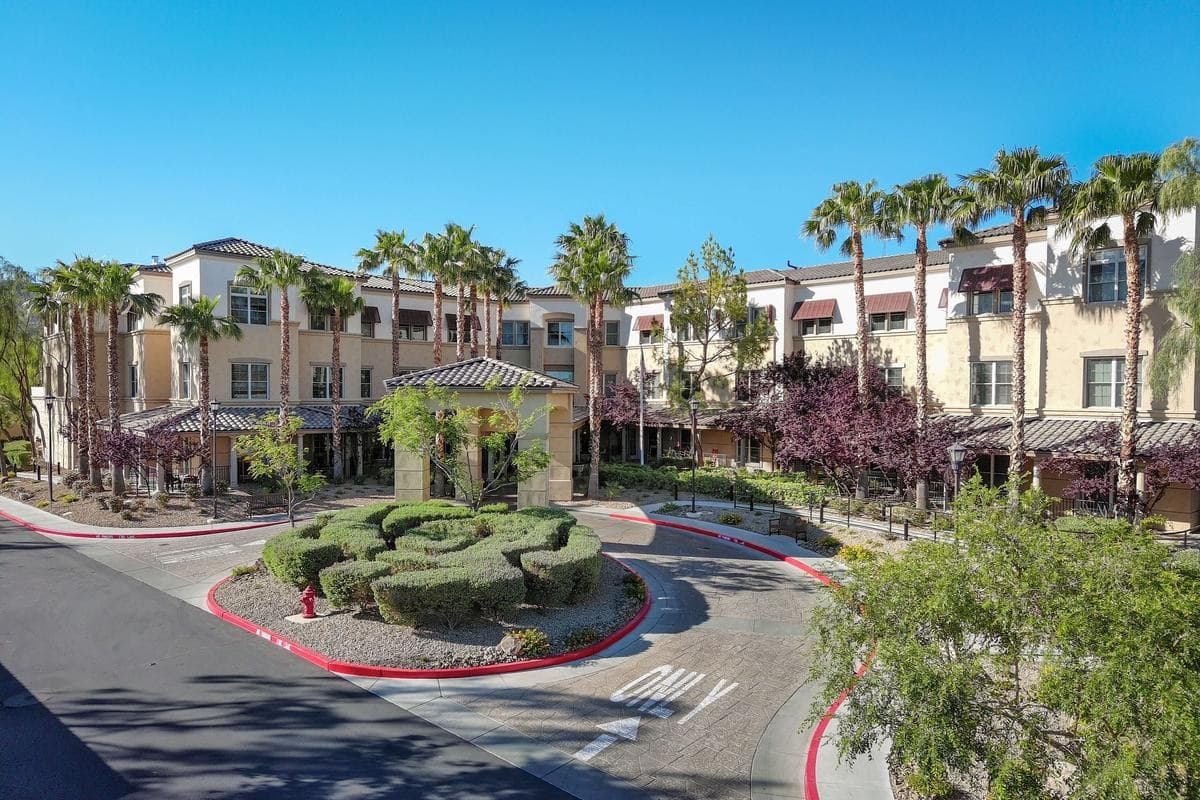
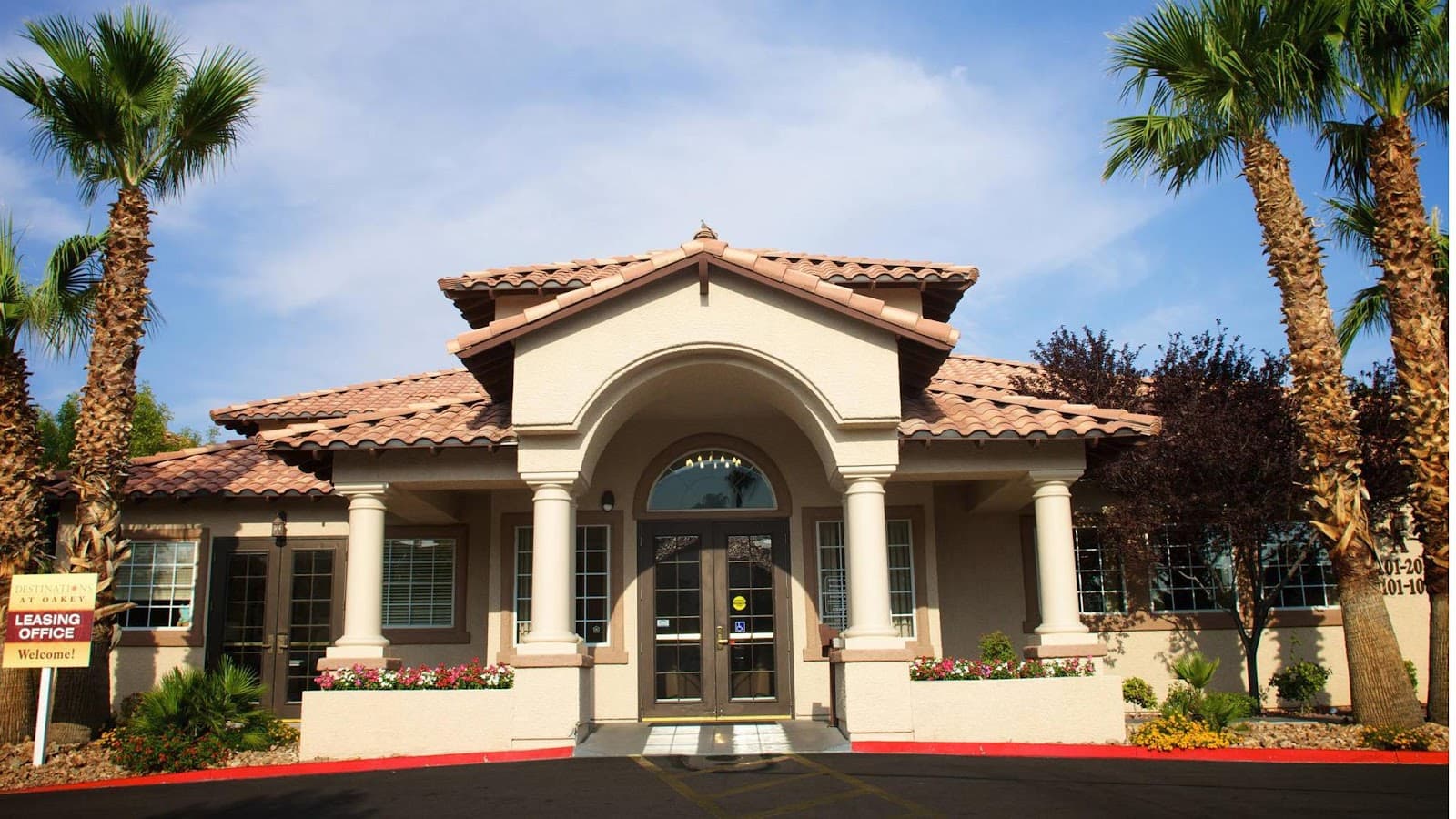
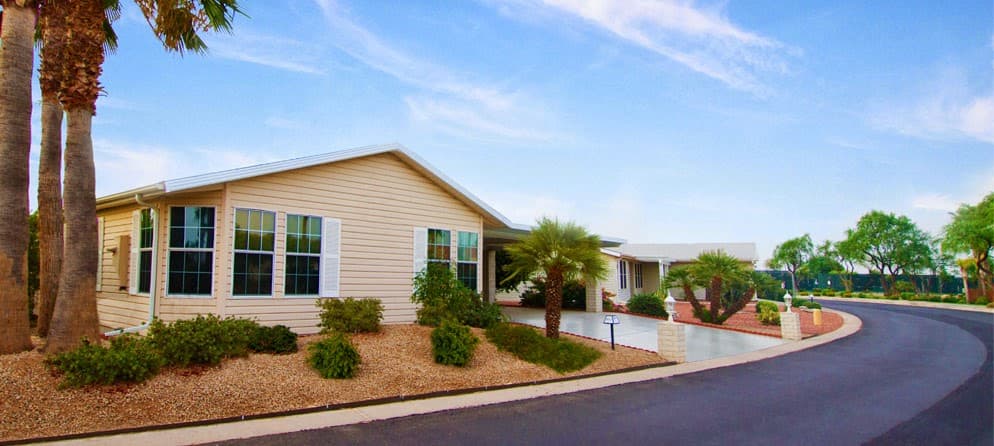
St. Joseph Transitional Rehabilitation Center, photo 11 / 6

Quick Facts

Total units
100
Medicare rating
4 of 5

CMS Care Compare

Ownership
For profit, Limited Liability company
Certified beds
100

What Families Think

Detailed family feedback for Saint Joseph Transitional Rehabilitation Center is not available, but the community carries a below-average 2.7 out of 5 rating from 49 Google reviews, which may signal mixed experiences worth investigating further with the community directly.

The Bad

  • Google rating of only 2.7 out of 5 from 49 reviews

AI-generated from reviews and community data.

St. Joseph Transitional Rehabilitation Center is a senior living community in Las Vegas, Nevada offering Skilled Nursing / Long Term Care. Amenities include Housekeeping, Laundry Service and Emergency Call System. Families rate it 2.6 out of 5 across 53 reviews.

About St. Joseph Transitional Rehabilitation Center

Saint Joseph Transitional Rehabilitation Center is a skilled nursing / long term care community in Las Vegas, Nevada. The community is licensed for up to 100 residents.

Families rate Saint Joseph Transitional Rehabilitation Center 2.7 out of 5 based on 49 Google reviews.

Contact the community directly to ask about availability, pricing, and tours, or browse the photos and reviews here to see if it could be the right fit for your family.

Types of Care at St. Joseph Transitional Rehabilitation Center

Skilled Nursing / Long Term Care

Amenities

Room Amenities

  • Emergency Call System
  • Private Bathroom
  • Private Rooms
  • Wheelchair Accessible

Meals & Dining

  • Dietary Accommodations (Gluten-Free, Low / No Sodium, No Sugar, Vegan)

Community Amenities

  • 24-Hour Staff
  • Housekeeping
  • Laundry Service
  • Medication Management
  • On-Site Nurse (RN)

Need help deciding?

Tell us what you're looking for and we'll match you with communities that fit. Free, and you choose who contacts you.

Help Me Choose

Reviews of St. Joseph Transitional Rehabilitation Center

2.6overall · 53 ratings combined

2.6★ on Google (53)

Bettie Hernandez

Jun 2026

via Google

This place does not even deserve a star, this place needs a investigation!! This place is just total neglect. They do not perform basic hygiene such as bathing , washing face, brushing your teeth. All they care about is getting your blood work. I had such a bad experience and I STAYED FOR ONE DAY. I WAS ADMITTED A FEW DAYS AFTER MY SURGERY AND WAS NEGLECTED AND IGNORED . THEY REFUSED TO DISTRIBUTE MY MEDICATION TO ME. I WENT 14 HOURS WITHOUT USING THE RESTROOM FROM WHEN I FIRST ARRIVED THERE. THEY REFUSED TO ASSIST ME TO THE RESTROOM. I THOUGHT I WAS IN A HORROR MOVIE! PEOPLE SCREAMING FOR HELP , DOOR SLAMMING WITH NO ONE TO BE FOUND. THE FOOD WAS HORRIBLE. A DOG COULDN'T EVEN EAT WHAT THEY WERE TRYING TO FEED ME . THEY HAVE NO BED SIDE TOILET , NO WALKERS .I WILL BE NOTIFING MY INSURANCE TO MAKE SURE THEY ARE AWARE OF HOW BAD THIS PLACE IS . I ALSO WILL BE CONTACTING HEAD OF OPERATIONS!!

James Dobson

Jan 2026

via Google

DO NOT SEND YOUR LOVED ONES HERE! My mother was sent here for skilled nursing and rehabilitation after her major surgery. Multiple times they forgot to give her food trays and when they did this is what her trays looked like, not always but mostly inedible food. After a week we had them transport her back to the hospital where she was malnourished and needed another surgery to clean the wound from the inside from her first surgery that was nearly infected. Unprofessional staff (not all but most) and unsanitary practices and conditions. I would give them 0 stars if I could. Her Dr. said we got her back to the hospital just in time. How are you still in business?!

James Schmitt

Jan 2026

via Google

A very depressing place as soon as you arrive. If I could give them less than a 1 star I would. I was sent there by the VA to rehab from an injury. The hardest working people there are the CNA's. Great group of workers, the rest of them get a 0. I missed meals there, missed meds there, missed rehab times there. It took me a while but I AMA (Against Medical Advise) out of there and when back out to the VA ER.

Pua Reys

Nov 2025

via Google

ZERO STARS!! I DO NOT RECOMMEND anyone to send your loved ones to St Joseph!! This review is long, but worth the read if you’re considering sending family here! Majority of the workers there ignore and neglect patients and family members. Although their rehab team was great and they helped my dad get close to baseline with speech, the nursing care is horrible!!! There are a few nurses (3 that I’ve seen regularly that actually took care of my dad when on shift) that showed compassion and willingness to help when asked for assistance. Other than that, everyone else was on their own agenda. The biggest issue they have there is communication. No one is on the same page there. They don’t work as a team. Within the 2-3 months my dad was there we’ve encountered some issues: 1. Following up with social worker took days. Left msgs for case manager and never got a call back. I was always the one having to call and inquire about information. 2. They sent my dad to 2 wrong locations for his appt and they took him back to the facility without notifying me. I waited for him at the doctors office and i had to call them to see if he was on his way. No one wanted to take accountability for the mistake. I had to reschedule his appt for the following week. 3. We were allowed to bring food, so I would bring a meal for him to eat later that day. For some reason, someone kept throwing away or possibly eating his food even tho I put his name and the date on it. I notified dietitian about the issue but not sure if it got addressed to the nursing staff. 4. His area and room floor was always sticky, it was never cleaned daily. 5. His watch that had his name on it he’d use everyday went missing, was never found. Honestly, I knew we were never going to get it back. 6. I had to repeatedly ask the nurse practitioner to do a consult for sleep meds he’s prescribed by his VA doctor, but they never got to it until almost 2months later and never gave him his medication anyway. 7. I had very important paperwork for the nurse practitioner (Jennifer) to fill out and it was not entirely completed after she has signed it. I could not send it in. 8. The last day he was there, I went to visit him and he honestly looked and sounded like as if he was having a stroke! Face dropping, slurred speech you couldn’t even understand him, he couldn’t swallow or eat his breakfast! His nurse TEONTE neglected him and was on her personal phone the entire time I was trying to get help! She failed to even acknowledge me or the situation! I told CNAs about his condition and instead of treating it as an emergency, they took it very lightly and waited for someone else to take charge! I had to get the administrator to look at him and address the situation!! He went to the ER, but TEONTE didn’t even give them all of the information of his condition and they were going to discharge him back to the facility! Luckily I had talked to the ER nurse, the Dr did an MRI scan and admitted him into the hospital for treatment. I went back to St Joseph to gather his things and told them my father and my family decided we are not coming back because of the lack of urgency and care from their staff!! There was no sincere apology or corrective action they tried to take. My dad is Vietnam Veteran and one of the kindest man you’ll meet. He wouldn’t give anyone a hard time. St Joseph got their payment in full by the VA, so it’s unfortunate for anyone who served this country to be treated like this. I’m curious to know if we actually paid from our own money if he would have been treated any different.

M3talrocksFPV

Aug 2025

via Google

My mother has been here for a few weeks. She's had the mysterious skin injuries appear out of nowhere (not bed soars, but more like rug burns) and the doctors have no idea why. She asleep when they occur. As well, there's another patient here that incessantly yells/ screams all day and night. disturbing literally every other patient. The staff simply says there's nothing they can do. I understand if this person has mental afflictions but this is not the proper facility for that as it is impacting the well being of the other patients. Unfortunately my mother ends up in these places a lot but this is the last time she'll be a patient here. Even after full discussion about discharge date, they act surprised when I show up for discharge. Nothing is set up and no one knows what's going on. Very disorganized with the clerical staff. The direct nurse staff had been kind, however.

Request information

Ask about availability, pricing, or a tour. Your details go only to St. Joseph Transitional Rehabilitation Center, never sold or shared.

Government Inspection History

3 inspection visits in the last three years, 64 citations on file. Inspections are conducted by state agencies on behalf of the U.S. Centers for Medicare & Medicaid Services (CMS).

Sep 12, 2025Fire Safety StandardHealth ComplaintHealth Standard19 citations
  • Ensure that testing and maintenance of electrical equipment is performed.

    Severity F of L: no actual harm, potential for more than minimal harm, widespreadCorrected Oct 9, 2025

  • Develop Emergency Preparedness policies and procedures.

    Severity E of L: no actual harm, potential for more than minimal harm, patternCorrected Oct 9, 2025

  • Conduct risk assessment and an All-Hazards approach.

    Severity E of L: no actual harm, potential for more than minimal harm, patternCorrected Oct 9, 2025

  • Develop and implement a complete care plan that meets all the resident's needs, with timetables and actions that can be measured.

    Severity D of L: no actual harm, potential for more than minimal harm, isolatedCorrected Oct 7, 2025

  • Develop the complete care plan within 7 days of the comprehensive assessment; and prepared, reviewed, and revised by a team of health professionals.

    Severity D of L: no actual harm, potential for more than minimal harm, isolatedCorrected Oct 8, 2025

  • Provide care and assistance to perform activities of daily living for any resident who is unable.

    Severity D of L: no actual harm, potential for more than minimal harm, isolatedFound during a complaint inspectionCorrected Oct 8, 2025

  • Provide appropriate treatment and care according to orders, resident’s preferences and goals.

    Severity D of L: no actual harm, potential for more than minimal harm, isolatedCorrected Oct 8, 2025

  • Provide appropriate pressure ulcer care and prevent new ulcers from developing.

    Severity D of L: no actual harm, potential for more than minimal harm, isolatedCorrected Oct 8, 2025

  • Safeguard resident-identifiable information and/or maintain medical records on each resident that are in accordance with accepted professional standards.

    Severity D of L: no actual harm, potential for more than minimal harm, isolatedCorrected Oct 9, 2025

  • Provide and implement an infection prevention and control program.

    Severity D of L: no actual harm, potential for more than minimal harm, isolatedCorrected Oct 27, 2025

  • Allow resident to participate in the development and implementation of his or her person-centered plan of care.

    Severity D of L: no actual harm, potential for more than minimal harm, isolatedCorrected Oct 9, 2025

  • Assess the resident when there is a significant change in condition

    Severity D of L: no actual harm, potential for more than minimal harm, isolatedCorrected Oct 9, 2025

  • Assure that each resident’s assessment is updated at least once every 3 months.

    Severity D of L: no actual harm, potential for more than minimal harm, isolatedCorrected Oct 9, 2025

  • Address subsistence needs for staff and patients.

    Severity D of L: no actual harm, potential for more than minimal harm, isolatedCorrected Oct 9, 2025

  • Provide exit doors that are held open by devices that will automatically close on the activation of a fire alarm or smoke detector.

    Severity D of L: no actual harm, potential for more than minimal harm, isolatedCorrected Oct 9, 2025

  • Install a fire alarm system that can be heard throughout the facility.

    Severity D of L: no actual harm, potential for more than minimal harm, isolatedCorrected Sep 11, 2025

  • Install an approved automatic sprinkler system.

    Severity D of L: no actual harm, potential for more than minimal harm, isolatedCorrected Sep 16, 2025

  • Install smoke barrier doors that can resist smoke for at least 20 minutes.

    Severity D of L: no actual harm, potential for more than minimal harm, isolatedCorrected Sep 11, 2025

  • Provide a written emergency evacuation plan.

    Severity D of L: no actual harm, potential for more than minimal harm, isolatedCorrected Oct 9, 2025

Sep 19, 2024Fire Safety StandardHealth Standard25 citations
  • Conduct risk assessment and an All-Hazards approach.

    Severity F of L: no actual harm, potential for more than minimal harm, widespreadCorrected Nov 12, 2024

  • Meet requirements for the use and maintenance of medical gas equipment.

    Severity F of L: no actual harm, potential for more than minimal harm, widespreadCorrected Nov 12, 2024

  • To conduct inspection, testing and maintenance of fire doors by qualified individuals.

    Severity F of L: no actual harm, potential for more than minimal harm, widespreadCorrected Nov 12, 2024

  • Inspect, test, and maintain automatic sprinkler systems.

    Severity F of L: no actual harm, potential for more than minimal harm, widespreadCorrected Nov 12, 2024

  • Construct fire resistant interior walls.

    Severity F of L: no actual harm, potential for more than minimal harm, widespreadCorrected Nov 12, 2024

  • Have corridors or aisles that are unobstructed and are at least 8 feet in width.

    Severity F of L: no actual harm, potential for more than minimal harm, widespreadCorrected Nov 12, 2024

  • Create arrangements with other facilities to receive patients.

    Severity F of L: no actual harm, potential for more than minimal harm, widespreadCorrected Nov 12, 2024

  • Have properly installed electrical wiring and gas equipment.

    Severity E of L: no actual harm, potential for more than minimal harm, patternCorrected Nov 12, 2024

  • Develop and maintain an Emergency Preparedness Program (EP).

    Severity E of L: no actual harm, potential for more than minimal harm, patternCorrected Nov 12, 2024

  • Address patient/client population and determine types of services needed.

    Severity E of L: no actual harm, potential for more than minimal harm, patternCorrected Nov 12, 2024

  • Address subsistence needs for staff and patients.

    Severity E of L: no actual harm, potential for more than minimal harm, patternCorrected Nov 12, 2024

  • Have properly located and lighted "Exit" signs.

    Severity E of L: no actual harm, potential for more than minimal harm, patternCorrected Nov 12, 2024

  • Have properly installed hallway dispensers for alcohol-based hand rub.

    Severity E of L: no actual harm, potential for more than minimal harm, patternCorrected Nov 12, 2024

  • Provide appropriate care for a resident to maintain and/or improve range of motion (ROM), limited ROM and/or mobility, unless a decline is for a medical reason.

    Severity D of L: no actual harm, potential for more than minimal harm, isolatedCorrected Oct 29, 2024

  • Properly hold, secure, and manage each resident's personal money which is deposited with the nursing home.

    Severity D of L: no actual harm, potential for more than minimal harm, isolatedCorrected Oct 4, 2024

  • Honor the resident's right to voice grievances without discrimination or reprisal and the facility must establish a grievance policy and make prompt efforts to resolve grievances.

    Severity D of L: no actual harm, potential for more than minimal harm, isolatedCorrected Oct 15, 2024

  • Install corridor and hallway doors that block smoke.

    Severity D of L: no actual harm, potential for more than minimal harm, isolatedCorrected Nov 12, 2024

  • Follow proper procedures when the automatic sprinkler systems was out of service for more than 10 hours.

    Severity D of L: no actual harm, potential for more than minimal harm, isolatedCorrected Nov 12, 2024

  • Follow proper procedures when the fire alarm was out of service for more than 4 hours.

    Severity D of L: no actual harm, potential for more than minimal harm, isolatedCorrected Nov 12, 2024

  • Install emergency lighting that can last at least 1 1/2 hours.

    Severity D of L: no actual harm, potential for more than minimal harm, isolatedCorrected Nov 12, 2024

  • Keep aisles, corridors, and exits free of obstruction in case of emergency.

    Severity D of L: no actual harm, potential for more than minimal harm, isolatedCorrected Nov 12, 2024

  • Procure food from sources approved or considered satisfactory and store, prepare, distribute and serve food in accordance with professional standards.

    Severity D of L: no actual harm, potential for more than minimal harm, isolatedCorrected Oct 29, 2024

  • Ensure medication error rates are not 5 percent or greater.

    Severity D of L: no actual harm, potential for more than minimal harm, isolatedCorrected Oct 29, 2024

  • Provide pharmaceutical services to meet the needs of each resident and employ or obtain the services of a licensed pharmacist.

    Severity D of L: no actual harm, potential for more than minimal harm, isolatedCorrected Oct 29, 2024

  • Have simulated fire drills held at unexpected times.

    Severity D of L: no actual harm, potential for more than minimal harm, isolatedCorrected Nov 12, 2024

Sep 22, 2023Fire Safety StandardHealth ComplaintHealth Standard20 citations
  • To conduct inspection, testing and maintenance of fire doors by qualified individuals.

    Severity F of L: no actual harm, potential for more than minimal harm, widespreadCorrected Oct 31, 2023

  • Develop Emergency Preparedness policies and procedures.

    Severity E of L: no actual harm, potential for more than minimal harm, patternCorrected Oct 31, 2023

  • Inspect, test, and maintain automatic sprinkler systems.

    Severity E of L: no actual harm, potential for more than minimal harm, patternCorrected Oct 31, 2023

  • Have properly installed electrical wiring and gas equipment.

    Severity E of L: no actual harm, potential for more than minimal harm, patternCorrected Oct 31, 2023

  • Provide a written emergency evacuation plan.

    Severity E of L: no actual harm, potential for more than minimal harm, patternCorrected Oct 31, 2023

  • Have generator or other power source capable of supplying service within 10 seconds.

    Severity E of L: no actual harm, potential for more than minimal harm, patternCorrected Oct 31, 2023

  • Ensure that testing and maintenance of electrical equipment is performed.

    Severity E of L: no actual harm, potential for more than minimal harm, patternCorrected Oct 31, 2023

  • Address subsistence needs for staff and patients.

    Severity E of L: no actual harm, potential for more than minimal harm, patternCorrected Oct 31, 2023

  • Establish emergency prep training and testing.

    Severity E of L: no actual harm, potential for more than minimal harm, patternCorrected Oct 31, 2023

  • Have approved installation, maintenance and testing program for fire alarm systems.

    Severity E of L: no actual harm, potential for more than minimal harm, patternCorrected Oct 31, 2023

  • Install an approved automatic sprinkler system.

    Severity E of L: no actual harm, potential for more than minimal harm, patternCorrected Oct 31, 2023

  • Procure food from sources approved or considered satisfactory and store, prepare, distribute and serve food in accordance with professional standards.

    Severity E of L: no actual harm, potential for more than minimal harm, patternCorrected Oct 31, 2023

  • Ensure that each resident is free from the use of physical restraints, unless needed for medical treatment.

    Severity D of L: no actual harm, potential for more than minimal harm, isolatedCorrected Oct 31, 2023

  • Honor the resident's right to and the facility must promote and facilitate resident self-determination through support of resident choice.

    Severity D of L: no actual harm, potential for more than minimal harm, isolatedCorrected Oct 31, 2023

  • Ensure medication error rates are not 5 percent or greater.

    Severity D of L: no actual harm, potential for more than minimal harm, isolatedCorrected Oct 31, 2023

  • Add doors in an exit area that do not require the use of a key from the exit side unless in case of special locking arrangements.

    Severity D of L: no actual harm, potential for more than minimal harm, isolatedCorrected Oct 31, 2023

  • Ensure drugs and biologicals used in the facility are labeled in accordance with currently accepted professional principles; and all drugs and biologicals must be stored in locked compartments, separately locked, compartments for controlled drugs.

    Severity D of L: no actual harm, potential for more than minimal harm, isolatedCorrected Oct 31, 2023

  • Provide care and assistance to perform activities of daily living for any resident who is unable.

    Severity D of L: no actual harm, potential for more than minimal harm, isolatedFound during a complaint inspectionCorrected Oct 31, 2023

  • Implement gradual dose reductions(GDR) and non-pharmacological interventions, unless contraindicated, prior to initiating or instead of continuing psychotropic medication; and PRN orders for psychotropic medications are only used when the medication is necessary and PRN use is limited.

    Severity D of L: no actual harm, potential for more than minimal harm, isolatedCorrected Oct 31, 2023

  • Provide safe, appropriate pain management for a resident who requires such services.

    Severity D of L: no actual harm, potential for more than minimal harm, isolatedCorrected Oct 31, 2023

Source: CMS Care Compare, public federal data covering certified nursing facilities, refreshed monthly. Citations range from A (least serious) to L (most serious) on the federal scope and severity scale. Most citations are corrected quickly; review the details and ask the community about anything that concerns you.

Frequently Asked Questions

What types of care does St. Joseph Transitional Rehabilitation Center offer?

St. Joseph Transitional Rehabilitation Center offers Skilled Nursing / Long Term Care.

Where is St. Joseph Transitional Rehabilitation Center located?

St. Joseph Transitional Rehabilitation Center is located at 2035 W. Charleston Blvd. in Las Vegas, Nevada.

What do families say about St. Joseph Transitional Rehabilitation Center?

Detailed family feedback for Saint Joseph Transitional Rehabilitation Center is not available, but the community carries a below-average 2.7 out of 5 rating from 49 Google reviews, which may signal mixed experiences worth investigating further with the community directly.

How did St. Joseph Transitional Rehabilitation Center do on recent health and safety inspections?

St. Joseph Transitional Rehabilitation Center had 3 government inspection visits in the last three years, with 64 citations on file according to CMS Care Compare data. The full history, including what each citation was for and whether it was corrected, is in the inspection section on this page.

How can families visit St. Joseph Transitional Rehabilitation Center?

Submit the Request Information form on this page to connect with St. Joseph Transitional Rehabilitation Center and arrange a tour. Sharing your timeline and care needs up front helps the community prepare for your visit.

Work at St. Joseph Transitional Rehabilitation Center? Claim this listing to update photos, pricing, and details. It's free.

Nearby Communities

Other senior living options within 25 miles of Las Vegas.

Prefer to stay home?

Home care agencies serving Las Vegas bring help to the house: daily living, companionship, and respite for family caregivers.