Debbie Gradkowski
Aug 2026
Carnegie park post acute have been wonderful with my mother. They listen when we ask, they’re kind and very helpful.

3.6(63 ratings)· Pittsburgh average: 4
Own this community? Update your listing · Marketing for operators
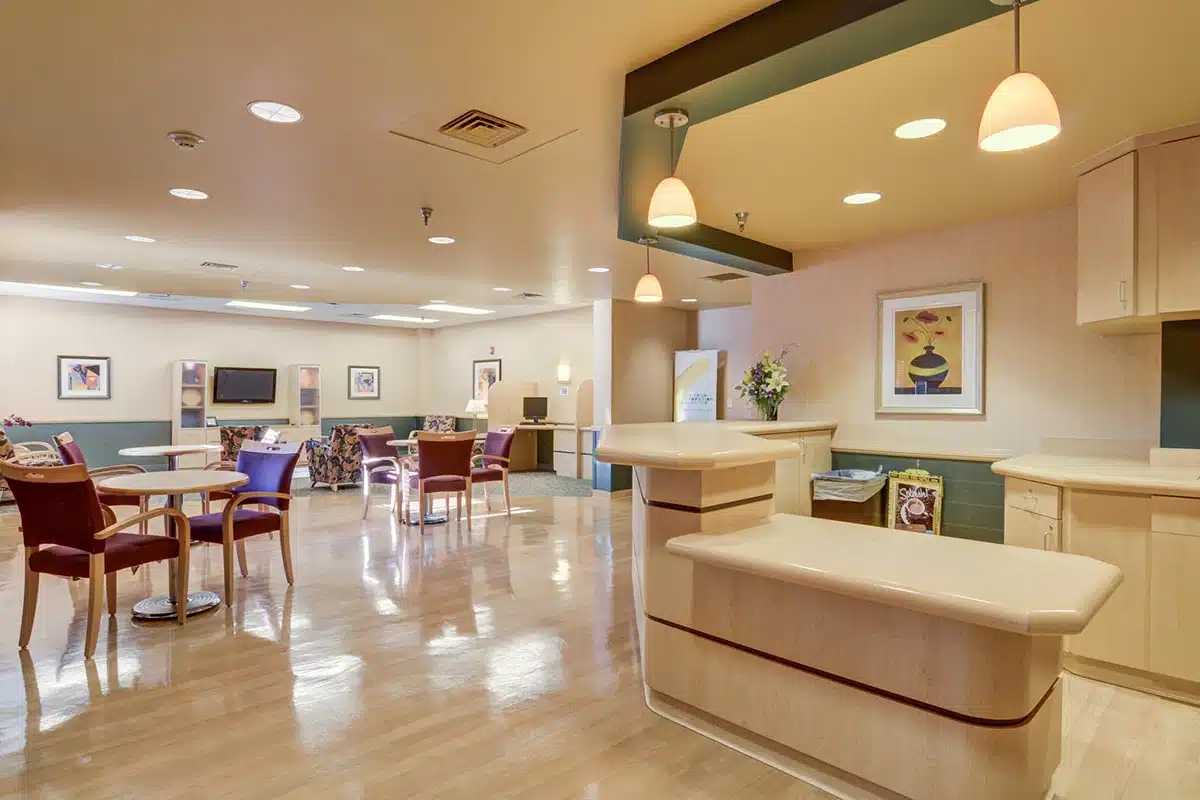 1 / 6
1 / 6CMS Care Compare
Carnegie Park Post Acute is a senior living community in Pittsburgh, Pennsylvania offering Skilled Nursing / Long Term Care. Amenities include Restaurant style Dining Room, Gathering / Activity Spaces and Housekeeping. Families rate it 3.6 out of 5 across 63 reviews.
Carnegie Park Post Acute is a skilled nursing and long-term care community in Pittsburgh, Pennsylvania, licensed for up to 180 residents. The facility is Medicare and Medicaid certified and offers 24-hour staffing, on-site nursing, private rooms with private bathrooms, wheelchair accessibility, and amenities including restaurant-style dining, gathering spaces, housekeeping, laundry service, medication management, and dietary accommodations.
Reviews of the facility are mixed. Some reviewers praised the cleanliness, friendliness of staff, and responsiveness to family requests. Others reported serious concerns about the quality of care documentation, staff professionalism, and communication. One reviewer described a negative interaction involving a nurse's conduct and cited inconsistencies between documented treatments and actual care received during recovery from surgery. The facility received a 2 out of 5 overall rating from the Centers for Medicare and Medicaid Services.
Tell us what you're looking for and we'll match you with communities that fit. Free for families.
Help Me Choose3.6overall · 63 ratings combined
3.6★ on Google (63)
Debbie Gradkowski
Aug 2026
Carnegie park post acute have been wonderful with my mother. They listen when we ask, they’re kind and very helpful.

Tina Hamilton
Aug 2026
When I left this place, I was given a written record of my stay, which varies greatly with the actual care I received. I was recovering from a knee replacement. The record states that I was put in compression stocking daily; I was never put in compression stockings, it says I was treated daily for bed sores, I did not have bed sores. It says Milk of Mag was administered daily. I asked for it daily, I got it once. The facilities themselves need to be fixed up; the blind slats are broken and hanging, letting in bright sun. The shower room was revolting; it is a back room where all kinds of unused, old medical equipment is piled up. The sewer smells strongly of feces. The food was inedible. I developed a system of ordering one meal per day from Door Dash, and making it last.<br>This facility seems to have mostly long term Alzheimer's and dementia patients. It is very unpleasant for someone not suffering from those disorders to live with the shouting, and incontinence that was constant, and made mealtime disgusting. The two types of patient should not be mixed. I had one room mate who refused to have the AC on in 100 degree weather. I needed it at those temps. She became more and more agitated and violent, attacking nurses and hurling furniture, laying one the call button, etc. She got her way. I got moved to another room. I got a second unhinged room mate whom I demanded escape from, and finally was moved to a third room with a disabled, quite pleasant woman. Here was my biggest problem: All three of these patients insisted on having their TVs on loud, every minute of every day. No respite. . Loud. They told me they couldn't sleep unless it was on loud. I begged the facility to set some quiet hours so I could get some rest. I honestly was exhausted. I was told that having a quiet time with TV off would violate their rights. Didn't I have any rights? Above all I stress that people just there for recovery should not be housed with incontinent , mentally disturbed patients. There were a couple of raucous nights when a few of them got out and make a huge commotion. It is incredibly sad. But I needed sleep, and to eat without someone defecating in the bed next to mine.<br>The staff was divided into two sections, the older women who were efficient, attentive, and kind, and the younger ones who were insolent , confrontational and inefficient. One, who had no idea how to handle injuries, picked my leg up and threw it on the bed, twice. Hurt my foot another time. I said, "Ow!" and blamed me for not telling her ahead of time that it would hurt. She took offense that I said "Ow!" So when food deliveries came to the front desk, she came waddling back, carrying other bags, not mine. "You, Hamilton, I ain't bringing you food, because I don't like your attitude." I kid you not. I never had a job where I got to pick and choose which tasked I was going to do. I did not have a good experience there. However, they have some improvements that would make a stay there a healing experience.

Rabeaux
Jul 2026
Visiting a friend, very clean atmosphere. I played guitar on the patio for my friend, his daughter and others coming in and out. Friendly staff.

Charlene K
Jun 2026
Horrible experience. My father was in the facility briefly. The first floor staff was extremely rude. Attempting to get information was horrible the nurse was not only rude but definitely uneducated. This nurse was at the nurses station having a heated discussion with the aide while divulging hippa protected information about another patient in front of me. My father was sent to the ED by the doctor and never went back. Wouldn't put my dog there!! Oh and I'm a nurse 37 years.

Liam Nobbs
May 2026
The staff here are very friendly and attentive. Would highly recommend this facility
10 inspection visits in the last three years, 77 citations on file. Inspections are conducted by state agencies on behalf of the U.S. Centers for Medicare & Medicaid Services (CMS).
Ensure the transfer/discharge meets the resident's needs/preferences and that the resident is prepared for a safe transfer/discharge.
Severity D of L: no actual harm, potential for more than minimal harm, isolatedFound during a complaint inspectionCorrected May 15, 2026
Establish emergency prep training and testing.
Severity F of L: no actual harm, potential for more than minimal harm, widespreadCorrected Apr 27, 2026
Have approved installation, maintenance and testing program for fire alarm systems.
Severity F of L: no actual harm, potential for more than minimal harm, widespreadCorrected May 26, 2026
Ensure receptacles at patient bed locations and where general anesthesia is administered, are tested after initial installation, replacement or servicing.
Severity F of L: no actual harm, potential for more than minimal harm, widespreadCorrected May 26, 2026
Have generator or other power source capable of supplying service within 10 seconds.
Severity F of L: no actual harm, potential for more than minimal harm, widespreadCorrected Apr 27, 2026
Inspect, test, and maintain automatic sprinkler systems.
Severity F of L: no actual harm, potential for more than minimal harm, widespreadCorrected May 26, 2026
Ensure a licensed pharmacist perform a monthly drug regimen review, including the medical chart, following irregularity reporting guidelines in developed policies and procedures.
Severity E of L: no actual harm, potential for more than minimal harm, patternCorrected Apr 27, 2026
Install corridor and hallway doors that block smoke.
Severity E of L: no actual harm, potential for more than minimal harm, patternCorrected Apr 27, 2026
Ensure that special areas are constructed so that walls can resist fire for one hour or have an approved fire extinguishing system.
Severity E of L: no actual harm, potential for more than minimal harm, patternCorrected Apr 27, 2026
Provide exit doors that are held open by devices that will automatically close on the activation of a fire alarm or smoke detector.
Severity E of L: no actual harm, potential for more than minimal harm, patternCorrected Apr 27, 2026
Install smoke barrier doors that can resist smoke for at least 20 minutes.
Severity E of L: no actual harm, potential for more than minimal harm, patternCorrected Apr 27, 2026
Have power receptacles that are properly grounded.
Severity D of L: no actual harm, potential for more than minimal harm, isolatedCorrected Apr 27, 2026
Have properly located and lighted "Exit" signs.
Severity D of L: no actual harm, potential for more than minimal harm, isolatedCorrected Apr 27, 2026
Conduct mandatory training, for all staff, on the facility’s Quality Assurance and Performance Improvement Program.
Severity D of L: no actual harm, potential for more than minimal harm, isolatedCorrected Apr 27, 2026
Have an enclosure around a vertical opening shaft.
Severity D of L: no actual harm, potential for more than minimal harm, isolatedCorrected Apr 27, 2026
Provide properly protected cooking facilities.
Severity D of L: no actual harm, potential for more than minimal harm, isolatedCorrected Apr 27, 2026
Meet requirements for the installation and maintenance of electrical systems.
Severity D of L: no actual harm, potential for more than minimal harm, isolatedCorrected Apr 27, 2026
To conduct inspection, testing and maintenance of fire doors by qualified individuals.
Severity C of L: potential for minimal harm, widespreadCorrected Apr 27, 2026
Install emergency lighting that can last at least 1 1/2 hours.
Severity C of L: potential for minimal harm, widespreadCorrected Apr 27, 2026
Meet other general requirements.
Severity C of L: potential for minimal harm, widespreadCorrected Apr 27, 2026
Conduct testing and exercise requirements.
Severity C of L: potential for minimal harm, widespreadCorrected Apr 27, 2026
Ensure that residents are free from significant medication errors.
Severity D of L: no actual harm, potential for more than minimal harm, isolatedFound during a complaint inspectionCorrected Jun 24, 2025
Observe each nurse aide's job performance and give regular training.
Severity F of L: no actual harm, potential for more than minimal harm, widespreadCorrected Jun 17, 2025
Provide care and assistance to perform activities of daily living for any resident who is unable.
Severity E of L: no actual harm, potential for more than minimal harm, patternFound during a complaint inspectionCorrected Jun 17, 2025
Honor the resident's right to a dignified existence, self-determination, communication, and to exercise his or her rights.
Severity E of L: no actual harm, potential for more than minimal harm, patternCorrected Jun 17, 2025
Ensure drugs and biologicals used in the facility are labeled in accordance with currently accepted professional principles; and all drugs and biologicals must be stored in locked compartments, separately locked, compartments for controlled drugs.
Severity E of L: no actual harm, potential for more than minimal harm, patternCorrected Jun 17, 2025
Ensure menus must meet the nutritional needs of residents, be prepared in advance, be followed, be updated, be reviewed by dietician, and meet the needs of the resident.
Severity E of L: no actual harm, potential for more than minimal harm, patternCorrected Jun 17, 2025
Include as part of its infection prevention and control program, mandatory training that includes written standards, policies, and procedures for the program.
Severity E of L: no actual harm, potential for more than minimal harm, patternCorrected Jun 17, 2025
Provide behavior health training consistent with the requirements and as determined by a facility assessment.
Severity E of L: no actual harm, potential for more than minimal harm, patternCorrected Jun 17, 2025
Inspect, test, and maintain automatic sprinkler systems.
Severity E of L: no actual harm, potential for more than minimal harm, patternCorrected May 17, 2025
Honor the resident's right to a safe, clean, comfortable and homelike environment, including but not limited to receiving treatment and supports for daily living safely.
Severity D of L: no actual harm, potential for more than minimal harm, isolatedCorrected Jun 17, 2025
Ensure the activities program is directed by a qualified professional.
Severity D of L: no actual harm, potential for more than minimal harm, isolatedCorrected Jun 17, 2025
Have power receptacles that are properly grounded.
Severity D of L: no actual harm, potential for more than minimal harm, isolatedCorrected May 17, 2025
Ensure nurse aides have the skills they need to care for residents, and give nurse aides education in dementia care and abuse prevention.
Severity D of L: no actual harm, potential for more than minimal harm, isolatedCorrected Jun 17, 2025
Give their staff education on dementia care, and what abuse, neglect, and exploitation are; and how to report abuse, neglect, and exploitation.
Severity D of L: no actual harm, potential for more than minimal harm, isolatedCorrected Jun 17, 2025
Make sure that the nursing home area is safe, easy to use, clean and comfortable for residents, staff and the public.
Severity D of L: no actual harm, potential for more than minimal harm, isolatedCorrected Jun 17, 2025
Make sure that a working call system is available in each resident's bathroom and bathing area.
Severity D of L: no actual harm, potential for more than minimal harm, isolatedCorrected Jun 17, 2025
Provide pharmaceutical services to meet the needs of each resident and employ or obtain the services of a licensed pharmacist.
Severity D of L: no actual harm, potential for more than minimal harm, isolatedFound during a complaint inspectionCorrected Jun 17, 2025
Provide appropriate treatment and care according to orders, resident’s preferences and goals.
Severity D of L: no actual harm, potential for more than minimal harm, isolatedCorrected Jun 17, 2025
Immediately tell the resident, the resident's doctor, and a family member of situations (injury/decline/room, etc.) that affect the resident.
Severity D of L: no actual harm, potential for more than minimal harm, isolatedFound during a complaint inspectionCorrected Jun 17, 2025
Conduct testing and exercise requirements.
Severity C of L: potential for minimal harm, widespreadCorrected May 17, 2025
Establish staff and initial training requirements.
Severity C of L: potential for minimal harm, widespreadCorrected May 17, 2025
List the names and contact information of those in the facility.
Severity C of L: potential for minimal harm, widespreadCorrected May 17, 2025
Address patient/client population and determine types of services needed.
Severity C of L: potential for minimal harm, widespreadCorrected May 17, 2025
Conduct mandatory training, for all staff, on the facility’s Quality Assurance and Performance Improvement Program.
Severity C of L: potential for minimal harm, widespreadCorrected Jun 17, 2025
Ensure that staff members are educated on resident rights and facility responsibilities to properly care for its residents.
Severity C of L: potential for minimal harm, widespreadCorrected Jun 17, 2025
Develop, implement, and/or maintain an effective training program that includes effective communications for direct care staff members.
Severity C of L: potential for minimal harm, widespreadCorrected Jun 17, 2025
Honor the resident's right to voice grievances without discrimination or reprisal and the facility must establish a grievance policy and make prompt efforts to resolve grievances.
Severity C of L: potential for minimal harm, widespreadCorrected Jun 17, 2025
Allow residents to easily view the nursing home's survey results and communicate with advocate agencies.
Severity C of L: potential for minimal harm, widespreadCorrected Jun 17, 2025
Provide training in compliance and ethics.
Severity B of L: potential for minimal harm, patternCorrected Jun 17, 2025
Provide appropriate treatment and care according to orders, resident’s preferences and goals.
Severity E of L: no actual harm, potential for more than minimal harm, patternFound during a complaint inspectionCorrected Feb 10, 2025
Provide enough nursing staff every day to meet the needs of every resident; and have a licensed nurse in charge on each shift.
Severity E of L: no actual harm, potential for more than minimal harm, patternFound during a complaint inspectionCorrected Feb 10, 2025
Provide and implement an infection prevention and control program.
Severity D of L: no actual harm, potential for more than minimal harm, isolatedFound during a complaint inspectionCorrected Feb 10, 2025
Have a plan that describes the process for conducting QAPI and QAA activities.
Severity D of L: no actual harm, potential for more than minimal harm, isolatedFound during a complaint inspectionCorrected Feb 10, 2025
Provide basic life support, including CPR, prior to the arrival of emergency medical personnel , subject to physician orders and the resident’s advance directives.
Severity J of L: immediate jeopardy, isolatedFound during a complaint inspectionCorrected Oct 29, 2024
Make sure that the nursing home area is safe, easy to use, clean and comfortable for residents, staff and the public.
Severity F of L: no actual harm, potential for more than minimal harm, widespreadFound during a complaint inspectionCorrected Aug 5, 2024
Ensure that a nursing home area is free from accident hazards and provides adequate supervision to prevent accidents.
Severity D of L: no actual harm, potential for more than minimal harm, isolatedFound during a complaint inspectionCorrected May 9, 2024
Procure food from sources approved or considered satisfactory and store, prepare, distribute and serve food in accordance with professional standards.
Severity F of L: no actual harm, potential for more than minimal harm, widespreadCorrected May 9, 2024
Provide appropriate treatment and care according to orders, resident’s preferences and goals.
Severity E of L: no actual harm, potential for more than minimal harm, patternCorrected May 9, 2024
Respond appropriately to all alleged violations.
Severity E of L: no actual harm, potential for more than minimal harm, patternCorrected May 9, 2024
Honor the resident's right to voice grievances without discrimination or reprisal and the facility must establish a grievance policy and make prompt efforts to resolve grievances.
Severity E of L: no actual harm, potential for more than minimal harm, patternCorrected May 9, 2024
Honor the resident's right to request, refuse, and/or discontinue treatment, to participate in or refuse to participate in experimental research, and to formulate an advance directive.
Severity E of L: no actual harm, potential for more than minimal harm, patternCorrected May 9, 2024
Honor the resident's right to organize and participate in resident/family groups in the facility.
Severity E of L: no actual harm, potential for more than minimal harm, patternCorrected May 9, 2024
Provide and implement an infection prevention and control program.
Severity E of L: no actual harm, potential for more than minimal harm, patternCorrected May 9, 2024
Provide properly protected cooking facilities.
Severity E of L: no actual harm, potential for more than minimal harm, patternCorrected May 4, 2024
Ensure drugs and biologicals used in the facility are labeled in accordance with currently accepted professional principles; and all drugs and biologicals must be stored in locked compartments, separately locked, compartments for controlled drugs.
Severity E of L: no actual harm, potential for more than minimal harm, patternCorrected May 9, 2024
Inspect, test, and maintain automatic sprinkler systems.
Severity D of L: no actual harm, potential for more than minimal harm, isolatedCorrected May 4, 2024
Provide enough food/fluids to maintain a resident's health.
Severity D of L: no actual harm, potential for more than minimal harm, isolatedCorrected May 9, 2024
Ensure that special areas are constructed so that walls can resist fire for one hour or have an approved fire extinguishing system.
Severity D of L: no actual harm, potential for more than minimal harm, isolatedCorrected May 4, 2024
Install corridor and hallway doors that block smoke.
Severity D of L: no actual harm, potential for more than minimal harm, isolatedCorrected May 4, 2024
Have generator or other power source capable of supplying service within 10 seconds.
Severity C of L: potential for minimal harm, widespreadCorrected May 4, 2024
Establish staff and initial training requirements.
Severity C of L: potential for minimal harm, widespreadCorrected May 4, 2024
Implement emergency and standby power systems.
Severity C of L: potential for minimal harm, widespreadCorrected May 4, 2024
Have properly located and lighted "Exit" signs.
Severity C of L: potential for minimal harm, widespreadCorrected May 4, 2024
Have approved installation, maintenance and testing program for fire alarm systems.
Severity C of L: potential for minimal harm, widespreadCorrected May 4, 2024
Ensure heating and ventilation systems that have been properly installed according to the manufacturer's instructions.
Severity C of L: potential for minimal harm, widespreadCorrected Jun 17, 2024
Procure food from sources approved or considered satisfactory and store, prepare, distribute and serve food in accordance with professional standards.
Severity F of L: no actual harm, potential for more than minimal harm, widespreadFound during a complaint inspectionCorrected Aug 10, 2023
Source: CMS Care Compare, public federal data covering certified nursing facilities, refreshed monthly. Citations range from A (least serious) to L (most serious) on the federal scope and severity scale. Most citations are corrected quickly; review the details and ask the community about anything that concerns you.
Carnegie Park Post Acute offers Skilled Nursing / Long Term Care.
Carnegie Park Post Acute is located at 1848 Greentree Road in Pittsburgh, Pennsylvania.
Carnegie Park Post Acute carries a 3.6 out of 5 rating from 63 Google reviews. Reviews on MyLivingChoice come from families who confirmed a connection to the community and appear with the reviewer's first name and last initial.
Carnegie Park Post Acute had 10 government inspection visits in the last three years, with 77 citations on file according to CMS Care Compare data. The full history, including what each citation was for and whether it was corrected, is in the inspection section on this page.
Submit the Request Information form on this page, or contact Carnegie Park Post Acute directly, to arrange a tour. Sharing your timeline and care needs up front helps the community prepare for your visit.
Work at Carnegie Park Post Acute? Claim this listing to update photos, pricing, and details. It's free.
Other senior living options within 25 miles of Pittsburgh.
 Partner
Oakdale, Pennsylvania7 mi
4.2(10)
Assisted Living
Pittsburgh, Pennsylvania1 mi
4.6(33)
Assisted LivingMemory Care
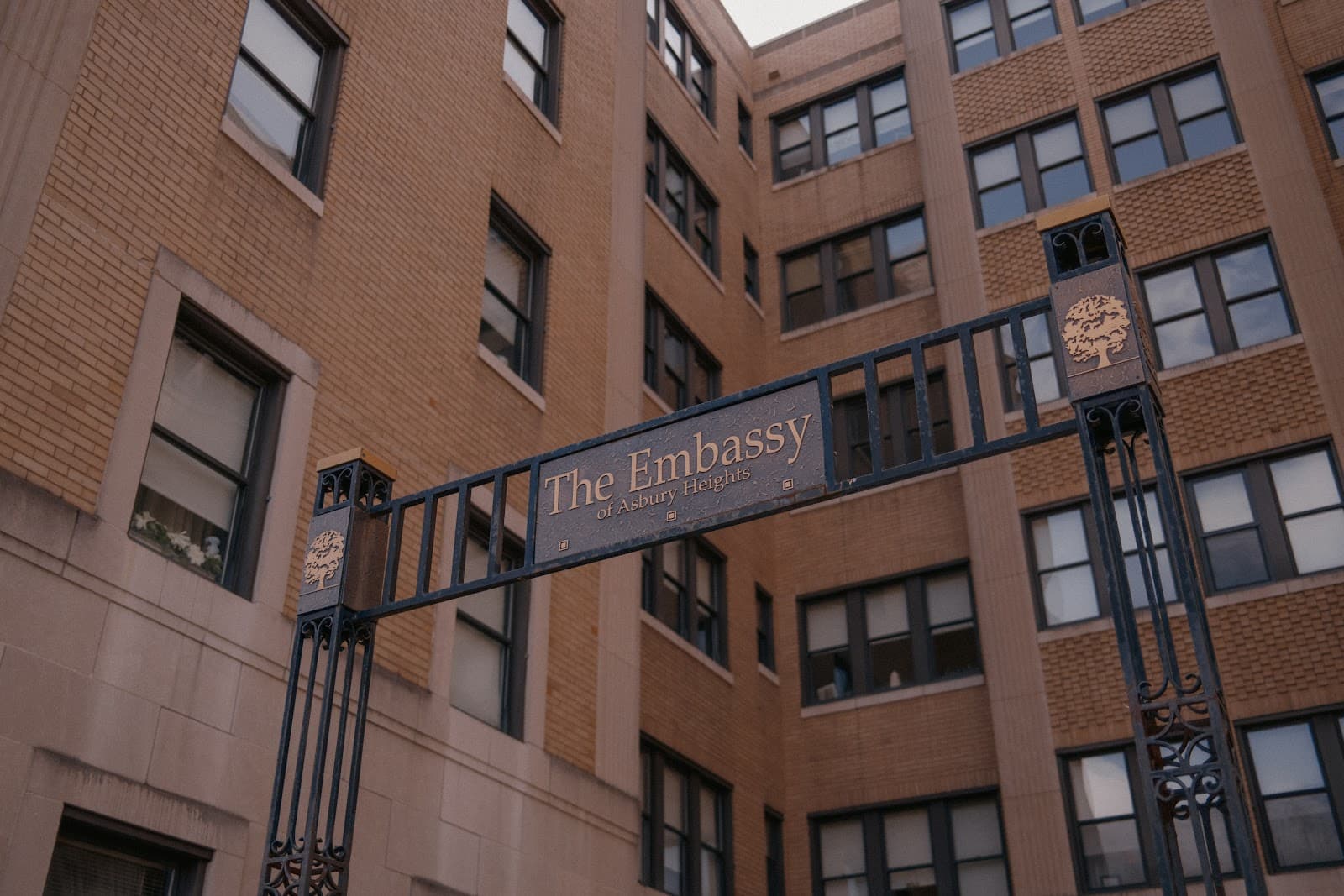
Pittsburgh, Pennsylvania1.9 mi
5(1)
Independent Living
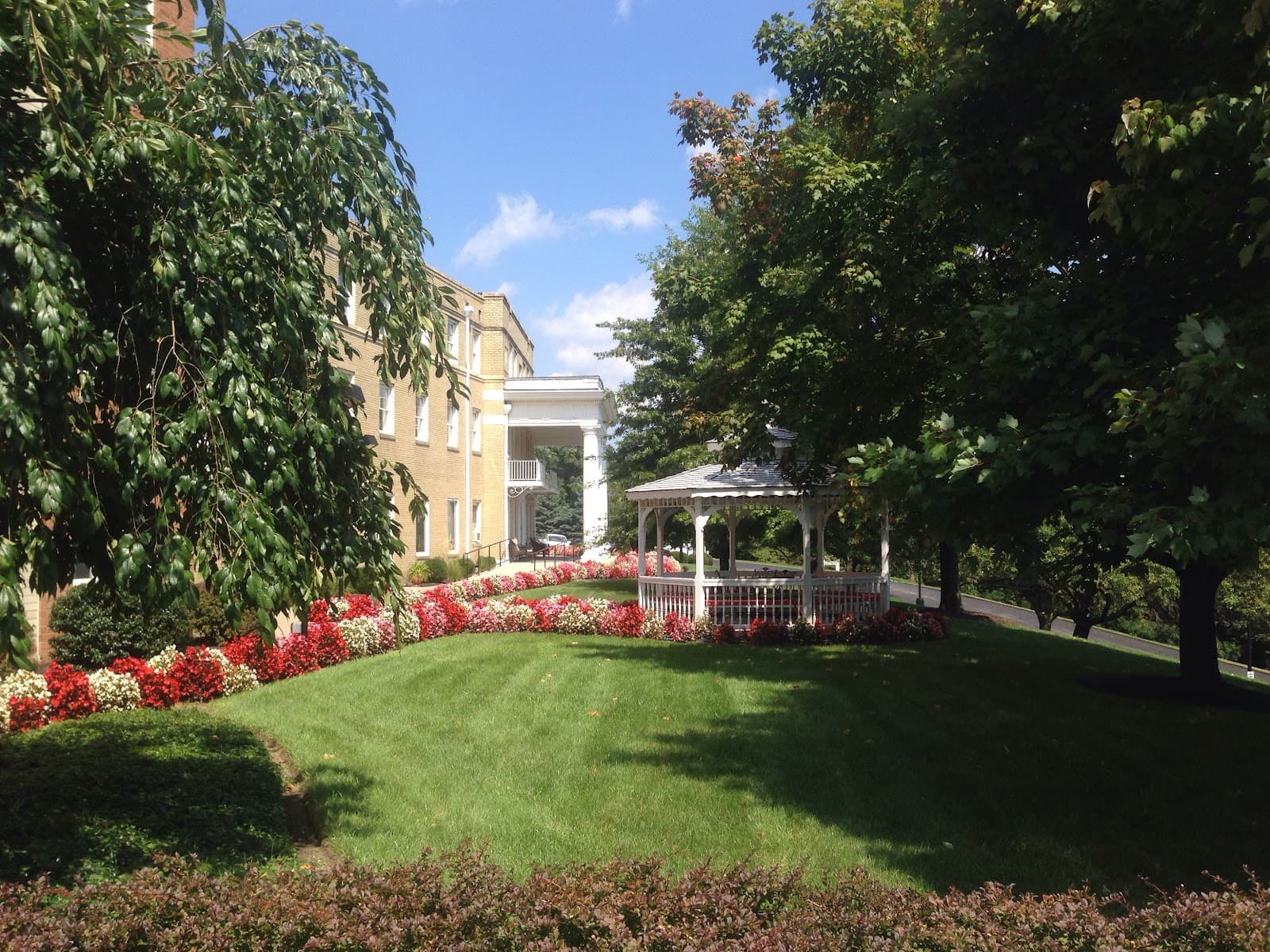
Pittsburgh, Pennsylvania1.9 mi
4(40)
Assisted LivingIndependent LivingMemory Care+1 more
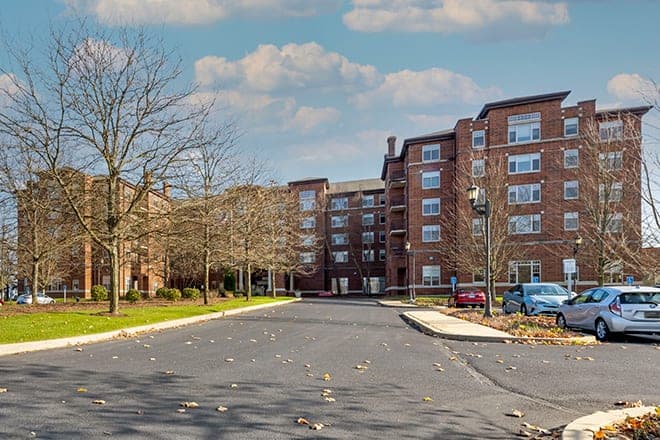
Pittsburgh, Pennsylvania2.5 mi
4.8(25)
Assisted LivingIndependent Living
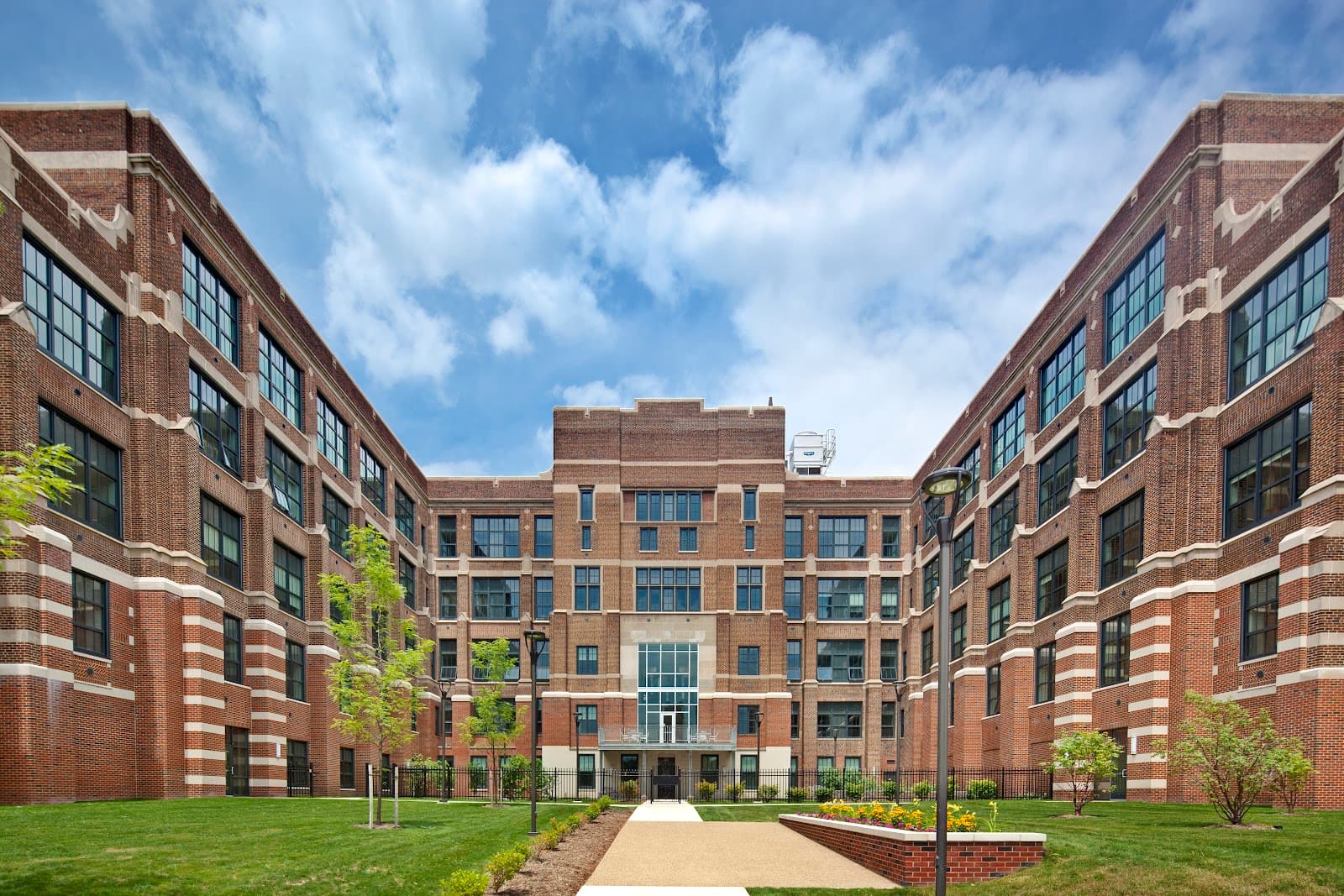
Pittsburgh, Pennsylvania2.6 mi
4.2(10)
Independent Living
Home care agencies serving Pittsburgh bring help to the house: daily living, companionship, and respite for family caregivers.