Braden Brown
Jul 2025
terrible

1600 North Broadway
2.9(10 ratings)· Salem average: 3.5
Own this community? Update your listing · Marketing for operators
CMS Care Compare
An automated summary of family reviews and public information. Not verified by MyLivingChoice; confirm services, staffing and pricing with the community.
Twin Willows Nursing Center is a skilled nursing and long-term care facility in Salem, Illinois, rated 2.9 out of 5 from a small number of Google reviews. The limited reviews available are largely negative, including a serious concern about feeding practices for a resident with swallowing difficulties.
AI-generated from reviews and community data.
Twin Willows Nursing Center is a senior living community in Salem, Illinois offering Skilled Nursing / Long Term Care. Families rate it 2.9 out of 5 across 10 reviews.
Twin Willows Nursing Center is a skilled nursing and long-term care community in Salem, Illinois, licensed for up to 72 residents. The community is Medicare and Medicaid certified.
CMS assigns the community an overall rating of 3 out of 5 stars.
Tell us what you're looking for and we'll match you with communities that fit. Free for families.
Help Me Choose2.9overall · 10 ratings combined
2.9★ on Google (10)
Braden Brown
Jul 2025
terrible

Avree Strobel
Jul 2025
They attempted to mouth feed solid food to a woman with throat and mouth cancer, and a feeding tube.

angie antrim
Jun 2016
JUST WAS WONDERING HOW MANY PATIENT OR RESIDENT BEDS THIS FACILITY HAS
5 inspection visits in the last three years, 47 citations on file. Inspections are conducted by state agencies on behalf of the U.S. Centers for Medicare & Medicaid Services (CMS).
Make sure that the nursing home area is safe, easy to use, clean and comfortable for residents, staff and the public.
Severity F of L: no actual harm, potential for more than minimal harm, widespreadCorrected Apr 30, 2026
Employ sufficient staff with the appropriate competencies and skills sets to carry out the functions of the food and nutrition service, including a qualified dietician.
Severity F of L: no actual harm, potential for more than minimal harm, widespreadCorrected Apr 30, 2026
Provide and implement an infection prevention and control program.
Severity E of L: no actual harm, potential for more than minimal harm, patternCorrected Apr 30, 2026
Ensure each resident receives and the facility provides food prepared in a form designed to meet individual needs.
Severity E of L: no actual harm, potential for more than minimal harm, patternCorrected Apr 30, 2026
Reasonably accommodate the needs and preferences of each resident.
Severity E of L: no actual harm, potential for more than minimal harm, patternCorrected Apr 30, 2026
Honor the resident's right to a safe, clean, comfortable and homelike environment, including but not limited to receiving treatment and supports for daily living safely.
Severity D of L: no actual harm, potential for more than minimal harm, isolatedCorrected Apr 30, 2026
Ensure each resident receives an accurate assessment.
Severity D of L: no actual harm, potential for more than minimal harm, isolatedCorrected Apr 30, 2026
Provide care and assistance to perform activities of daily living for any resident who is unable.
Severity D of L: no actual harm, potential for more than minimal harm, isolatedCorrected Apr 30, 2026
Ensure that a nursing home area is free from accident hazards and provides adequate supervision to prevent accidents.
Severity D of L: no actual harm, potential for more than minimal harm, isolatedCorrected Apr 30, 2026
Provide enough food/fluids to maintain a resident's health.
Severity D of L: no actual harm, potential for more than minimal harm, isolatedCorrected Apr 30, 2026
Honor the resident's right to a dignified existence, self-determination, communication, and to exercise his or her rights.
Severity D of L: no actual harm, potential for more than minimal harm, isolatedCorrected Apr 30, 2026
Honor the resident's right to request, refuse, and/or discontinue treatment, to participate in or refuse to participate in experimental research, and to formulate an advance directive.
Severity D of L: no actual harm, potential for more than minimal harm, isolatedCorrected Apr 30, 2026
Procure food from sources approved or considered satisfactory and store, prepare, distribute and serve food in accordance with professional standards.
Severity F of L: no actual harm, potential for more than minimal harm, widespreadCorrected Feb 13, 2025
Make sure that the nursing home area is safe, easy to use, clean and comfortable for residents, staff and the public.
Severity F of L: no actual harm, potential for more than minimal harm, widespreadCorrected Feb 13, 2025
Follow proper procedures when the automatic sprinkler systems was out of service for more than 10 hours.
Severity F of L: no actual harm, potential for more than minimal harm, widespreadCorrected Jan 13, 2025
Provide a written emergency evacuation plan.
Severity F of L: no actual harm, potential for more than minimal harm, widespreadCorrected Jan 13, 2025
Establish staff and initial training requirements.
Severity F of L: no actual harm, potential for more than minimal harm, widespreadCorrected Jan 14, 2025
Address subsistence needs for staff and patients.
Severity F of L: no actual harm, potential for more than minimal harm, widespreadCorrected Jan 14, 2025
Conduct testing and exercise requirements.
Severity F of L: no actual harm, potential for more than minimal harm, widespreadCorrected Feb 13, 2025
Follow proper procedures when the fire alarm was out of service for more than 4 hours.
Severity F of L: no actual harm, potential for more than minimal harm, widespreadCorrected Jan 13, 2025
Inspect, test, and maintain automatic sprinkler systems.
Severity F of L: no actual harm, potential for more than minimal harm, widespreadCorrected Feb 17, 2025
Reasonably accommodate the needs and preferences of each resident.
Severity E of L: no actual harm, potential for more than minimal harm, patternCorrected Feb 13, 2025
Install corridor and hallway doors that block smoke.
Severity E of L: no actual harm, potential for more than minimal harm, patternCorrected Jan 20, 2025
Ensure that a nursing home area is free from accident hazards and provides adequate supervision to prevent accidents.
Severity D of L: no actual harm, potential for more than minimal harm, isolatedCorrected Feb 6, 2025
Honor the resident's right to a dignified existence, self-determination, communication, and to exercise his or her rights.
Severity D of L: no actual harm, potential for more than minimal harm, isolatedCorrected Feb 5, 2025
Respond appropriately to all alleged violations.
Severity D of L: no actual harm, potential for more than minimal harm, isolatedCorrected Feb 6, 2025
Provide appropriate pressure ulcer care and prevent new ulcers from developing.
Severity D of L: no actual harm, potential for more than minimal harm, isolatedCorrected Feb 7, 2025
Provide enough food/fluids to maintain a resident's health.
Severity D of L: no actual harm, potential for more than minimal harm, isolatedCorrected Feb 6, 2025
Provide the appropriate treatment and services to a resident who displays or is diagnosed with dementia.
Severity D of L: no actual harm, potential for more than minimal harm, isolatedCorrected Jan 31, 2025
Provide and implement an infection prevention and control program.
Severity D of L: no actual harm, potential for more than minimal harm, isolatedCorrected Feb 7, 2025
Implement a program that monitors antibiotic use.
Severity D of L: no actual harm, potential for more than minimal harm, isolatedCorrected Feb 13, 2025
Post nurse staffing information every day.
Severity C of L: potential for minimal harm, widespreadCorrected Jan 18, 2025
Procure food from sources approved or considered satisfactory and store, prepare, distribute and serve food in accordance with professional standards.
Severity F of L: no actual harm, potential for more than minimal harm, widespreadFound during a complaint inspectionCorrected Jul 9, 2024
Follow proper procedures when the fire alarm was out of service for more than 4 hours.
Severity F of L: no actual harm, potential for more than minimal harm, widespreadCorrected Mar 22, 2024
Follow proper procedures when the automatic sprinkler systems was out of service for more than 10 hours.
Severity F of L: no actual harm, potential for more than minimal harm, widespreadCorrected Mar 22, 2024
Address subsistence needs for staff and patients.
Severity F of L: no actual harm, potential for more than minimal harm, widespreadCorrected Mar 22, 2024
Conduct testing and exercise requirements.
Severity F of L: no actual harm, potential for more than minimal harm, widespreadCorrected Mar 22, 2024
Conduct risk assessment and an All-Hazards approach.
Severity F of L: no actual harm, potential for more than minimal harm, widespreadCorrected Mar 22, 2024
Establish roles under a Waiver declared by secretary.
Severity F of L: no actual harm, potential for more than minimal harm, widespreadCorrected Mar 22, 2024
Ensure that special areas are constructed so that walls can resist fire for one hour or have an approved fire extinguishing system.
Severity E of L: no actual harm, potential for more than minimal harm, patternCorrected Mar 22, 2024
Inspect, test, and maintain automatic sprinkler systems.
Severity E of L: no actual harm, potential for more than minimal harm, patternCorrected Mar 22, 2024
Provide care and assistance to perform activities of daily living for any resident who is unable.
Severity D of L: no actual harm, potential for more than minimal harm, isolatedCorrected Jan 24, 2024
Encode each resident’s assessment data and transmit these data to the State within 7 days of assessment.
Severity D of L: no actual harm, potential for more than minimal harm, isolatedCorrected Jan 24, 2024
Develop and maintain an Emergency Preparedness Program (EP).
Severity F of L: no actual harm, potential for more than minimal harm, widespreadCorrected Jan 27, 2023
Address patient/client population and determine types of services needed.
Severity F of L: no actual harm, potential for more than minimal harm, widespreadCorrected Jan 27, 2023
Conduct testing and exercise requirements.
Severity F of L: no actual harm, potential for more than minimal harm, widespreadCorrected Feb 28, 2023
Follow proper procedures when the automatic sprinkler systems was out of service for more than 10 hours.
Severity F of L: no actual harm, potential for more than minimal harm, widespreadCorrected Jan 27, 2023
Source: CMS Care Compare, public federal data covering certified nursing facilities, refreshed monthly. Citations range from A (least serious) to L (most serious) on the federal scope and severity scale. Most citations are corrected quickly; review the details and ask the community about anything that concerns you.
Twin Willows Nursing Center offers Skilled Nursing / Long Term Care.
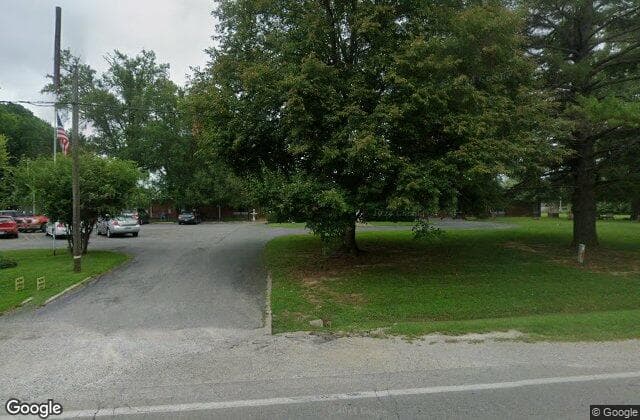
Twin Willows Nursing Center is located at 1600 North Broadway in Salem, Illinois.
Twin Willows Nursing Center carries a 2.9 out of 5 rating from 10 Google reviews. The limited reviews available are largely negative, including a serious concern about feeding practices for a resident with swallowing difficulties. Reviews on MyLivingChoice come from families who confirmed a connection to the community and appear with the reviewer's first name and last initial.
Twin Willows Nursing Center had 5 government inspection visits in the last three years, with 47 citations on file according to CMS Care Compare data. The full history, including what each citation was for and whether it was corrected, is in the inspection section on this page.
Submit the Request Information form on this page, or contact Twin Willows Nursing Center directly, to arrange a tour. Sharing your timeline and care needs up front helps the community prepare for your visit.
Work at Twin Willows Nursing Center? Claim this listing to update photos, pricing, and details. It's free.
Other senior living options within 25 miles of Salem.