Villa Maria Health And Rehab Ctr
300 Villa Dr
Own this community? Update your listing · Marketing for operators
Quick Facts
- Total units
- 70
- Medicare rating
- 5 of 5
- Ownership
- For profit, Partnership
- Certified beds
- 70
- Inspections
- View history (21 citations)
CMS Care Compare
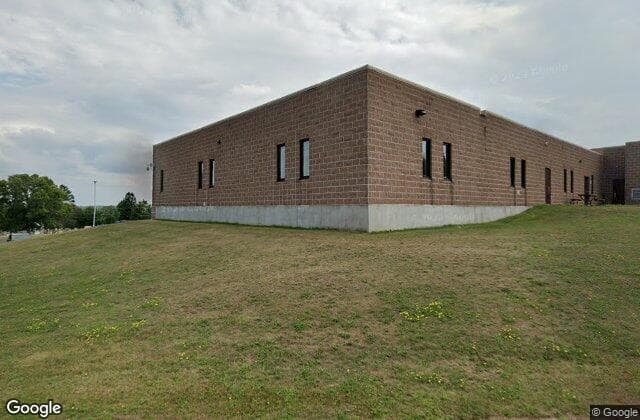
Villa Maria Health And Rehab Ctr is a senior living community in Hurley, Wisconsin offering Skilled Nursing / Long Term Care.
About Villa Maria Health And Rehab Ctr
Villa Maria Health and Rehab Center is a skilled nursing and long-term care community in Hurley, Wisconsin, licensed for up to 70 residents. The facility is Medicare and Medicaid certified and holds a 4-star overall rating from CMS.
As a for-profit partnership operation, the community is set up to serve residents requiring skilled nursing care and extended stays. All 70 licensed beds are Medicare and Medicaid certified, making the community accessible to residents with these coverage types.
Types of Care at Villa Maria Health And Rehab Ctr
Need help deciding?
Tell us what you're looking for and we'll match you with communities that fit. Free for families.
Help Me ChooseReviews of Villa Maria Health And Rehab Ctr
No reviews yet for this community. Be the first.
Government Inspection History
4 inspection visits in the last three years, 21 citations on file. Inspections are conducted by state agencies on behalf of the U.S. Centers for Medicare & Medicaid Services (CMS).
Feb 25, 2026Fire Safety StandardHealth Standard2 citations
Provide and implement an infection prevention and control program.
Severity F of L: no actual harm, potential for more than minimal harm, widespreadCorrected Mar 2, 2026
Provide safe, appropriate pain management for a resident who requires such services.
Severity D of L: no actual harm, potential for more than minimal harm, isolatedCorrected Mar 2, 2026
Mar 25, 2025Health Complaint1 citation
Protect each resident from all types of abuse such as physical, mental, sexual abuse, physical punishment, and neglect by anybody.
Severity J of L: immediate jeopardy, isolatedFound during a complaint inspectionCorrected Feb 28, 2025
Dec 11, 2024Fire Safety StandardHealth Standard8 citations
Have approved installation, maintenance and testing program for fire alarm systems.
Severity F of L: no actual harm, potential for more than minimal harm, widespreadCorrected Feb 10, 2025
Have generator or other power source capable of supplying service within 10 seconds.
Severity F of L: no actual harm, potential for more than minimal harm, widespreadCorrected Feb 10, 2025
Install corridor and hallway doors that block smoke.
Severity F of L: no actual harm, potential for more than minimal harm, widespreadCorrected Feb 10, 2025
Create arrangements with other facilities to receive patients.
Severity F of L: no actual harm, potential for more than minimal harm, widespreadCorrected Feb 10, 2025
Keep aisles, corridors, and exits free of obstruction in case of emergency.
Severity E of L: no actual harm, potential for more than minimal harm, patternCorrected Feb 10, 2025
Have exits that are accessible at all times.
Severity E of L: no actual harm, potential for more than minimal harm, patternCorrected Feb 10, 2025
Ensure that a nursing home area is free from accident hazards and provides adequate supervision to prevent accidents.
Severity D of L: no actual harm, potential for more than minimal harm, isolatedCorrected Dec 12, 2024
Have restrictions on the use of highly flammable decorations.
Severity D of L: no actual harm, potential for more than minimal harm, isolatedCorrected Feb 10, 2025
Nov 8, 2023Fire Safety StandardHealth Standard10 citations
Ensure heating and ventilation systems that have been properly installed according to the manufacturer's instructions.
Severity F of L: no actual harm, potential for more than minimal harm, widespreadCorrected Dec 1, 2023
Ensure receptacles at patient bed locations and where general anesthesia is administered, are tested after initial installation, replacement or servicing.
Severity F of L: no actual harm, potential for more than minimal harm, widespreadCorrected Dec 1, 2023
Follow proper procedures when the fire alarm was out of service for more than 4 hours.
Severity F of L: no actual harm, potential for more than minimal harm, widespreadCorrected Dec 1, 2023
Provide and implement an infection prevention and control program.
Severity E of L: no actual harm, potential for more than minimal harm, patternCorrected Nov 13, 2023
Install emergency lighting that can last at least 1 1/2 hours.
Severity E of L: no actual harm, potential for more than minimal harm, patternCorrected Dec 1, 2023
Have approved installation, maintenance and testing program for fire alarm systems.
Severity E of L: no actual harm, potential for more than minimal harm, patternCorrected Dec 1, 2023
Have generator or other power source capable of supplying service within 10 seconds.
Severity E of L: no actual harm, potential for more than minimal harm, patternCorrected Dec 1, 2023
Provide appropriate care for residents who are continent or incontinent of bowel/bladder, appropriate catheter care, and appropriate care to prevent urinary tract infections.
Severity D of L: no actual harm, potential for more than minimal harm, isolatedCorrected Nov 13, 2023
Keep aisles, corridors, and exits free of obstruction in case of emergency.
Severity D of L: no actual harm, potential for more than minimal harm, isolatedCorrected Dec 1, 2023
Have simulated fire drills held at unexpected times.
Severity C of L: potential for minimal harm, widespreadCorrected Dec 1, 2023
Source: CMS Care Compare, public federal data covering certified nursing facilities, refreshed monthly. Citations range from A (least serious) to L (most serious) on the federal scope and severity scale. Most citations are corrected quickly; review the details and ask the community about anything that concerns you.
Frequently Asked Questions
What types of care does Villa Maria Health And Rehab Ctr offer?
Villa Maria Health And Rehab Ctr offers Skilled Nursing / Long Term Care.
Where is Villa Maria Health And Rehab Ctr located?
Villa Maria Health And Rehab Ctr is located at 300 Villa Dr in Hurley, Wisconsin.
How did Villa Maria Health And Rehab Ctr do on recent health and safety inspections?
Villa Maria Health And Rehab Ctr had 4 government inspection visits in the last three years, with 21 citations on file according to CMS Care Compare data. The full history, including what each citation was for and whether it was corrected, is in the inspection section on this page.
How can families visit Villa Maria Health And Rehab Ctr?
Submit the Request Information form on this page, or contact Villa Maria Health And Rehab Ctr directly, to arrange a tour. Sharing your timeline and care needs up front helps the community prepare for your visit.
Work at Villa Maria Health And Rehab Ctr? Claim this listing to update photos, pricing, and details. It's free.
Nearby Communities
Other senior living options within 25 miles of Hurley.