Ashena Massoumi
Feb 2026
Sunnyvale gardens post acute staff were very professional and helpful .The physical therapist and occupational therapist and the nurses were amazing. They helped me a lot.

 1 / 6
1 / 6CMS Care Compare
AI-generated from reviews and community data.
Sunnyvale Gardens Post Acute is a senior living community in Sunnyvale, California offering Skilled Nursing / Long Term Care. Amenities include Gathering / Activity Spaces, Housekeeping and Emergency Call System. Families rate it 4.0 out of 5 across 70 reviews.
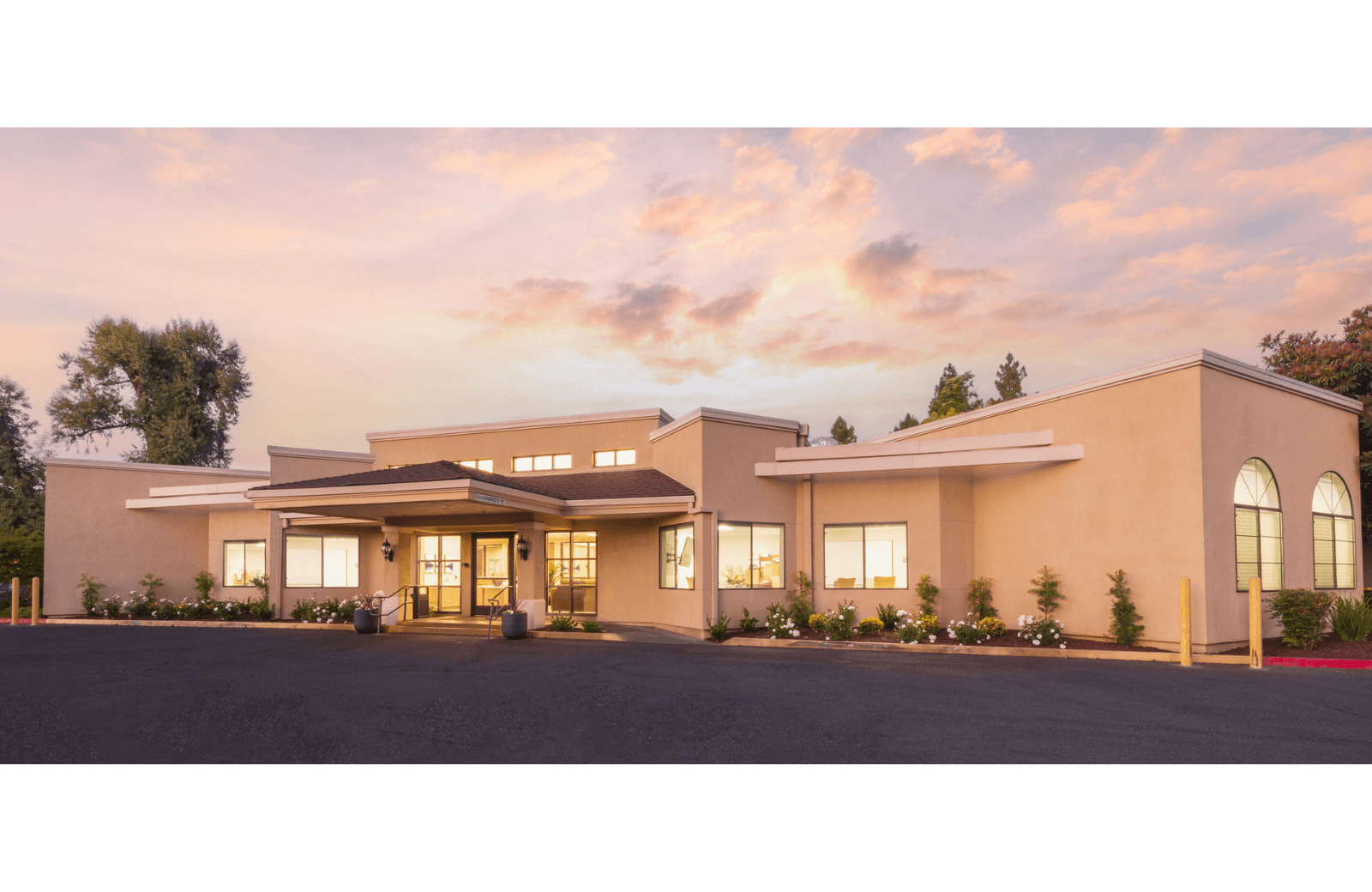
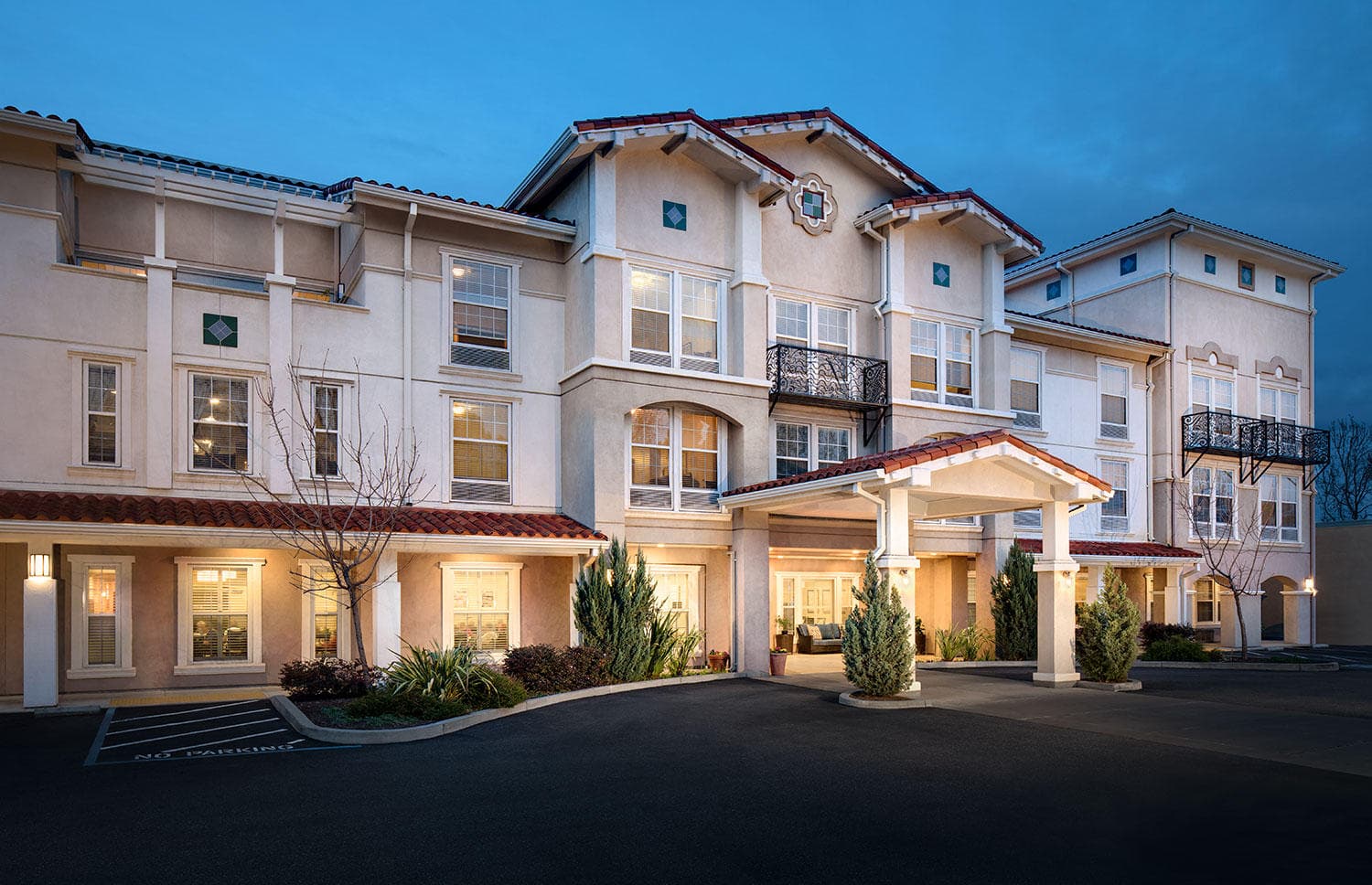
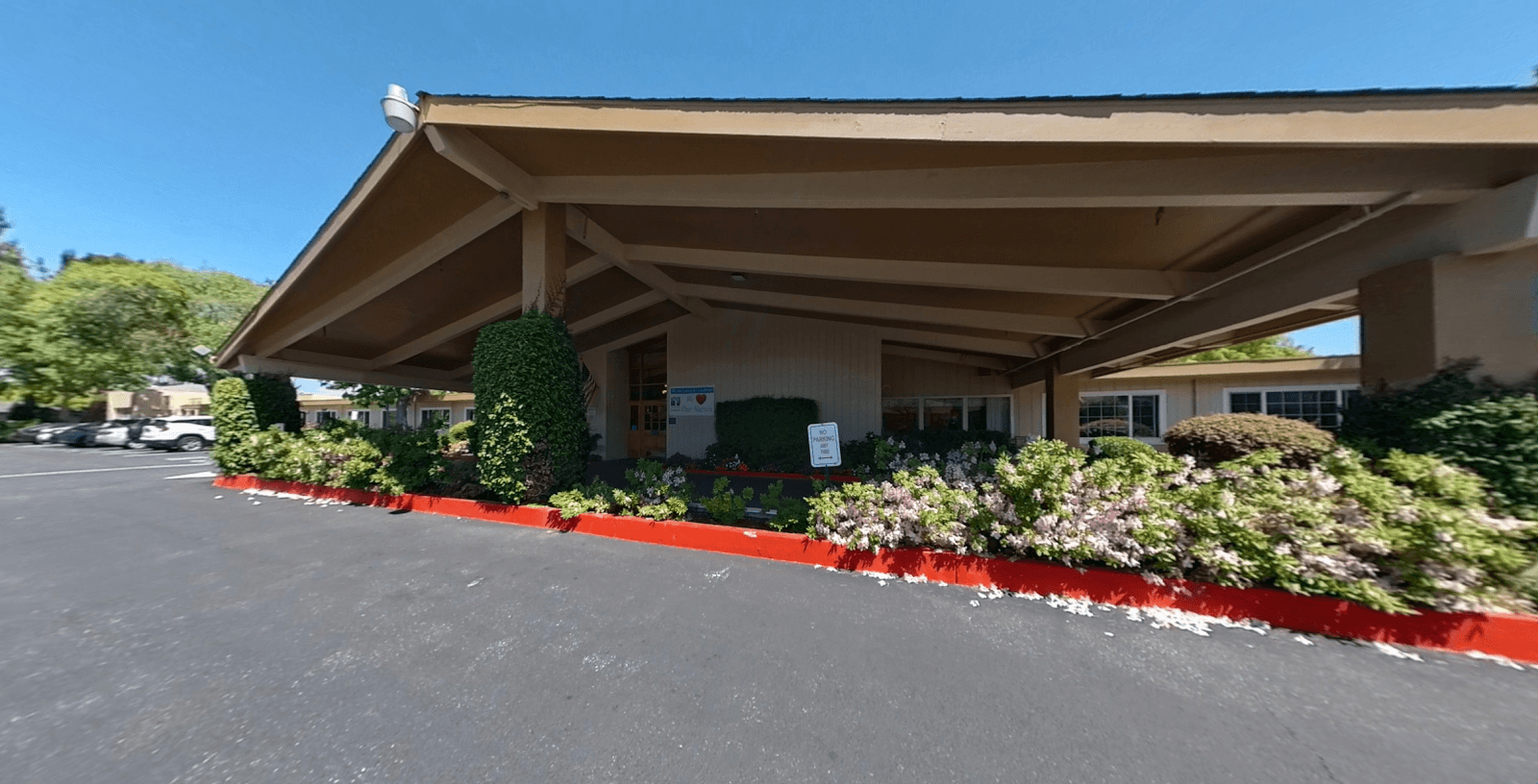
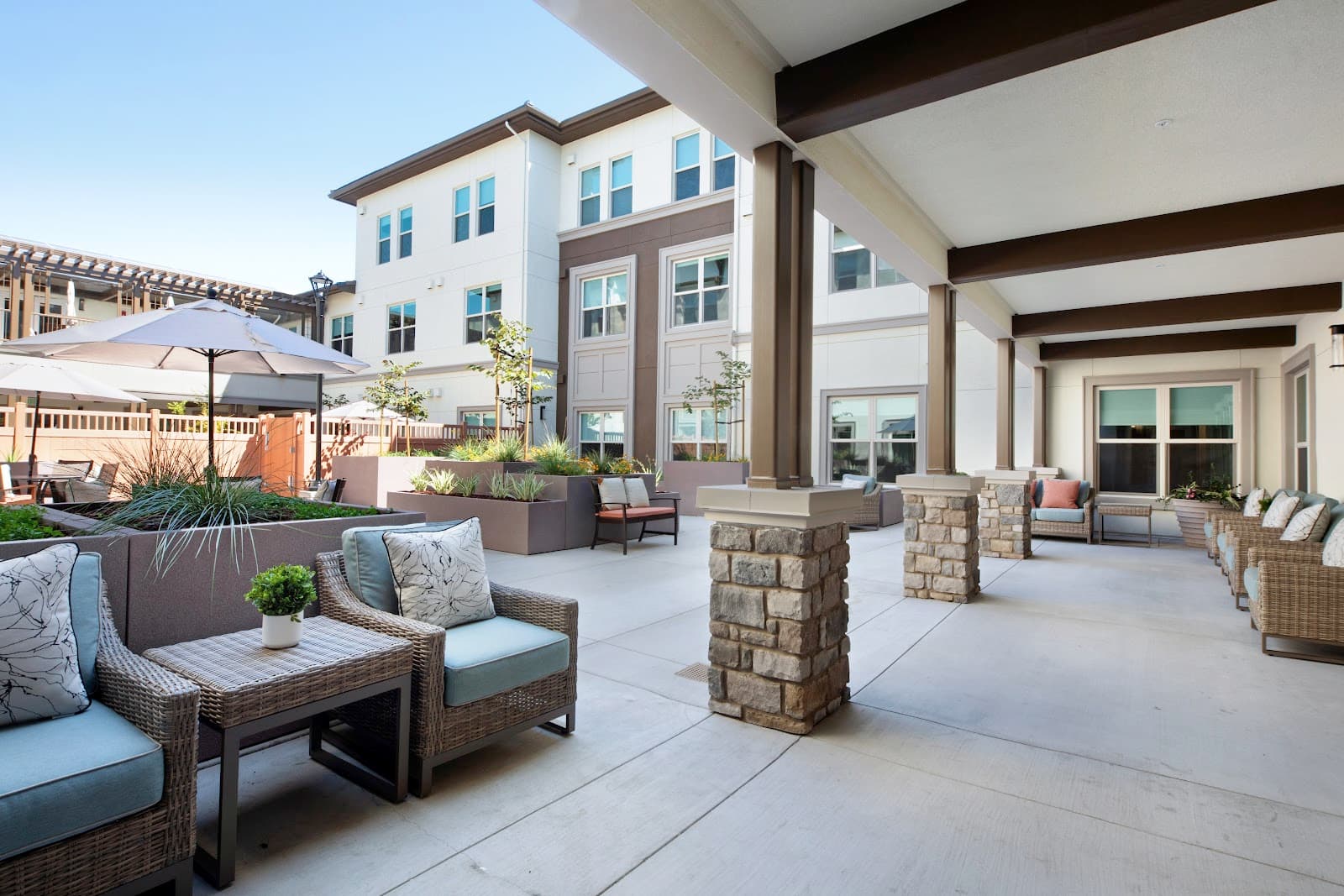
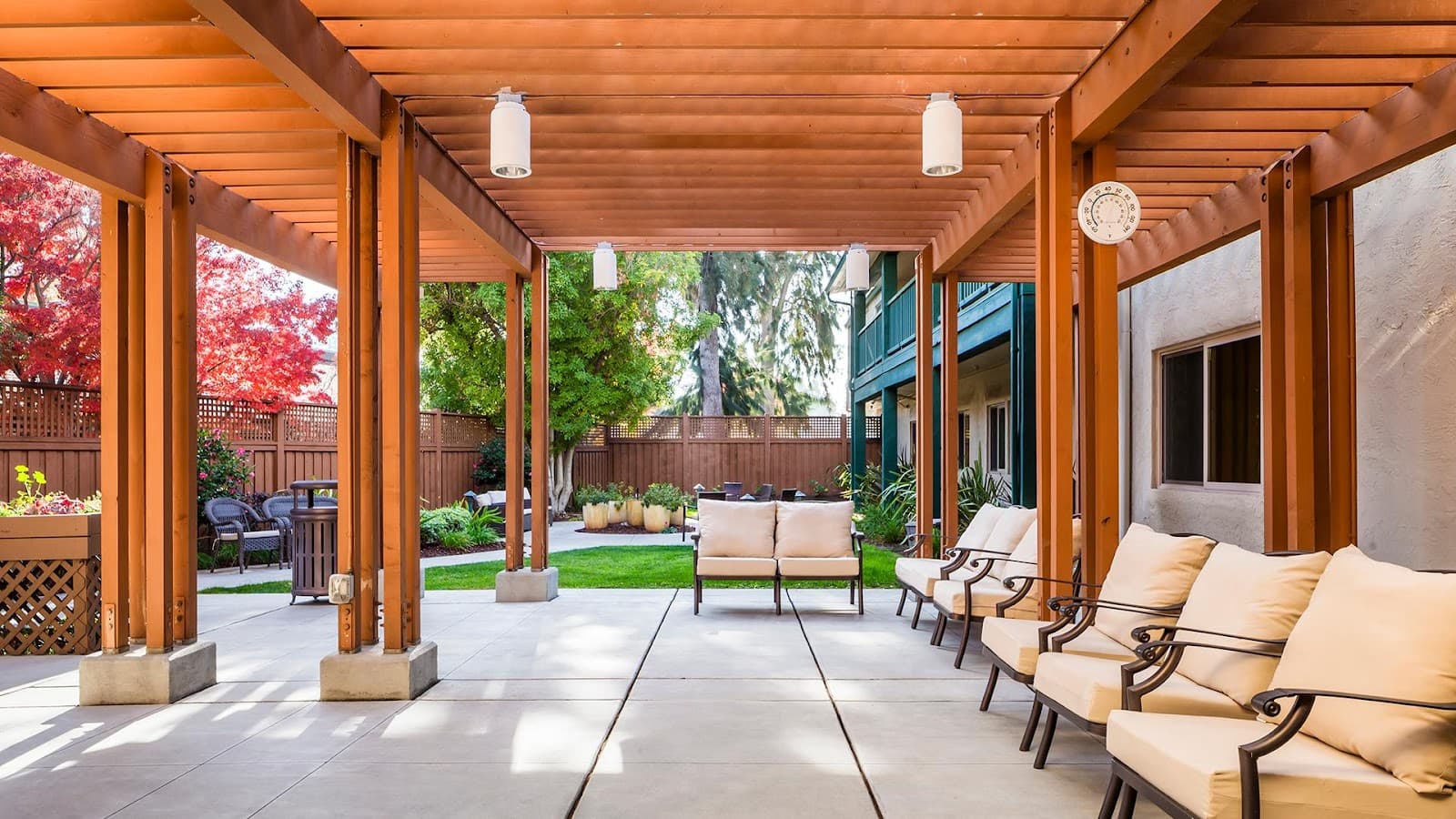
Sunnyvale Gardens Post Acute is a skilled nursing and long-term care community in Sunnyvale, California, licensed for up to 140 residents. All beds are Medicare and Medicaid certified. The facility features private rooms and bathrooms, 24-hour staff, on-site nursing, medication management, an emergency call system, and gathering spaces with gardens accessible to patients and families.
The community holds a 3 of 5 overall rating from CMS and earned a 4 of 5 rating across 70 Google reviews. Reviewers consistently praised the professional and kind staff, knowledgeable therapists, and approachable leadership. Multiple families noted positive rehabilitation outcomes, with one reviewer describing the facility as "bright, clean, and thoughtfully designed." Another stated that staff "were very professional and helpful," particularly therapists and nurses.
Tell us what you're looking for and we'll match you with communities that fit. Free for families.
Help Me Choose4overall · 70 ratings combined
4★ on Google (70)
Ashena Massoumi
Feb 2026
Sunnyvale gardens post acute staff were very professional and helpful .The physical therapist and occupational therapist and the nurses were amazing. They helped me a lot.

Edward Kurz
Jan 2026
A very warm and accommodating establishment! There are a ton of helpful staff members

M Tucker
Nov 2025
Great area/neighborhood. Safe facility. Staff is generally helpful and friendly. All therapists are knowledgeable and skilled, most are professional, as well. All leadership and administrative staff are approachable and accessible. Due to being highly involved in the treatment plan and communicative with the healthcare team, we got fairly good results with this facility and had a fairly positive experience with the staff.

T Te
Oct 2025
Recently, my mom underwent hip surgery, and after being discharged from the hospital, she spent some time at Sunnyvale Garden Rehab. Despite the natural challenges of recovery, the experience was genuinely positive.<br><br>The facility is bright, clean, and thoughtfully designed with lovely gardens where both patients and families can relax. The staff were consistently professional and kind, and the management took the time to reach out to us as family members to ensure we were comfortable and heard.<br><br>Overall, I’d give the experience a solid 4.5 stars. The only small area for improvement would be the food options. My mom is Asian, and we noticed there weren’t many Asian-flavored meals available. With more and more Asian patients enrolling, adding a bit more variety in that area could make the experience even better.<br><br>Thank you again to everyone at Sunnyvale Garden for making my mom’s rehab stay as pleasant and supportive as possible.

Nancy EP
Aug 2025
My brother was admitted to Sunnyvale Gardens end of April 2025, for rehab from a stroke. He was bed ridden, unable to get out of bed, paralysed on his left arm & legs, severe wound on his left calf, with bed sores & very weak. During his 7-weeks stay there, he recovered miraculously, he was walking on his own using a cane, wounds all clear & was discharged to his home where he was mostly independent. We owe his dramatic healing journey from the excellent care he received from PT/OT, nurses, wound care, CNAs, nurse practitioners! They are empathetic, compassionate, and selfless medical team. Our family is ever grateful!
7 inspection visits in the last three years, 75 citations on file. Inspections are conducted by state agencies on behalf of the U.S. Centers for Medicare & Medicaid Services (CMS).
Provide appropriate treatment and care according to orders, resident’s preferences and goals.
Severity D of L: no actual harm, potential for more than minimal harm, isolatedFound during a complaint inspectionCorrected Apr 4, 2025
Ensure that a nursing home area is free from accident hazards and provides adequate supervision to prevent accidents.
Severity K of L: immediate jeopardy, patternFound during a complaint inspectionCorrected Dec 16, 2024
Establish procedures for tracking staff and patients during an emergency.
Severity F of L: no actual harm, potential for more than minimal harm, widespreadCorrected Dec 6, 2024
Address subsistence needs for staff and patients.
Severity F of L: no actual harm, potential for more than minimal harm, widespreadCorrected Dec 6, 2024
Include a process for Emergency Preparedness collaboration.
Severity F of L: no actual harm, potential for more than minimal harm, widespreadCorrected Dec 6, 2024
Develop and maintain an Emergency Preparedness Program (EP).
Severity F of L: no actual harm, potential for more than minimal harm, widespreadCorrected Dec 6, 2024
Establish policies and procedures for volunteers.
Severity F of L: no actual harm, potential for more than minimal harm, widespreadCorrected Dec 6, 2024
Establish policies and procedures for sheltering.
Severity F of L: no actual harm, potential for more than minimal harm, widespreadCorrected Dec 6, 2024
Provide sufficient support personnel to safely and effectively carry out the functions of the food and nutrition service.
Severity F of L: no actual harm, potential for more than minimal harm, widespreadCorrected Dec 14, 2024
Have generator or other power source capable of supplying service within 10 seconds.
Severity F of L: no actual harm, potential for more than minimal harm, widespreadCorrected Dec 6, 2024
Have approved installation, maintenance and testing program for fire alarm systems.
Severity F of L: no actual harm, potential for more than minimal harm, widespreadCorrected Dec 6, 2024
Establish policies and procedures for medical documentation.
Severity F of L: no actual harm, potential for more than minimal harm, widespreadCorrected Dec 6, 2024
Provide and implement an infection prevention and control program.
Severity E of L: no actual harm, potential for more than minimal harm, patternCorrected Dec 14, 2024
Ensure drugs and biologicals used in the facility are labeled in accordance with currently accepted professional principles; and all drugs and biologicals must be stored in locked compartments, separately locked, compartments for controlled drugs.
Severity E of L: no actual harm, potential for more than minimal harm, patternCorrected Dec 14, 2024
Ensure medication error rates are not 5 percent or greater.
Severity E of L: no actual harm, potential for more than minimal harm, patternCorrected Dec 14, 2024
Provide pharmaceutical services to meet the needs of each resident and employ or obtain the services of a licensed pharmacist.
Severity E of L: no actual harm, potential for more than minimal harm, patternCorrected Dec 14, 2024
Ensure that a nursing home area is free from accident hazards and provides adequate supervision to prevent accidents.
Severity E of L: no actual harm, potential for more than minimal harm, patternCorrected Dec 14, 2024
Honor the resident's right to a dignified existence, self-determination, communication, and to exercise his or her rights.
Severity E of L: no actual harm, potential for more than minimal harm, patternCorrected Dec 14, 2024
Allow residents to self-administer drugs if determined clinically appropriate.
Severity D of L: no actual harm, potential for more than minimal harm, isolatedCorrected Dec 14, 2024
Try different approaches before using a bed rail. If a bed rail is needed, the facility must (1) assess a resident for safety risk; (2) review these risks and benefits with the resident/representative; (3) get informed consent; and (4) Correctly install and maintain the bed rail.
Severity D of L: no actual harm, potential for more than minimal harm, isolatedCorrected Dec 14, 2024
Provide medically-related social services to help each resident achieve the highest possible quality of life.
Severity D of L: no actual harm, potential for more than minimal harm, isolatedCorrected Dec 14, 2024
Ensure each resident’s drug regimen must be free from unnecessary drugs.
Severity D of L: no actual harm, potential for more than minimal harm, isolatedCorrected Dec 14, 2024
Implement gradual dose reductions(GDR) and non-pharmacological interventions, unless contraindicated, prior to initiating or instead of continuing psychotropic medication; and PRN orders for psychotropic medications are only used when the medication is necessary and PRN use is limited.
Severity D of L: no actual harm, potential for more than minimal harm, isolatedCorrected Dec 14, 2024
Implement a program that monitors antibiotic use.
Severity D of L: no actual harm, potential for more than minimal harm, isolatedCorrected Dec 14, 2024
Make sure that a working call system is available in each resident's bathroom and bathing area.
Severity D of L: no actual harm, potential for more than minimal harm, isolatedCorrected Dec 14, 2024
Properly provide smoke detection systems in areas open to corridors.
Severity D of L: no actual harm, potential for more than minimal harm, isolatedCorrected Dec 6, 2024
Develop and implement a complete care plan that meets all the resident's needs, with timetables and actions that can be measured.
Severity D of L: no actual harm, potential for more than minimal harm, isolatedCorrected Dec 14, 2024
Provide appropriate treatment and care according to orders, resident’s preferences and goals.
Severity D of L: no actual harm, potential for more than minimal harm, isolatedFound during a complaint inspectionCorrected Dec 14, 2024
Ensure that feeding tubes are not used unless there is a medical reason and the resident agrees; and provide appropriate care for a resident with a feeding tube.
Severity D of L: no actual harm, potential for more than minimal harm, isolatedCorrected Dec 14, 2024
Ensure that nurses and nurse aides have the appropriate competencies to care for every resident in a way that maximizes each resident's well being.
Severity D of L: no actual harm, potential for more than minimal harm, isolatedCorrected Dec 14, 2024
Use approved construction type or materials.
Severity D of L: no actual harm, potential for more than minimal harm, isolatedCorrected Dec 6, 2024
Ensure that a nursing home area is free from accident hazards and provides adequate supervision to prevent accidents.
Severity G of L: actual harm, isolatedFound during a complaint inspectionCorrected Sep 25, 2024
Develop and implement policies and procedures to prevent abuse, neglect, and theft.
Severity D of L: no actual harm, potential for more than minimal harm, isolatedFound during a complaint inspectionCorrected Sep 25, 2024
Protect each resident from the wrongful use of the resident's belongings or money.
Severity D of L: no actual harm, potential for more than minimal harm, isolatedFound during a complaint inspectionCorrected Sep 25, 2024
Safeguard resident-identifiable information and/or maintain medical records on each resident that are in accordance with accepted professional standards.
Severity E of L: no actual harm, potential for more than minimal harm, patternFound during a complaint inspectionCorrected Jul 5, 2024
Ensure drugs and biologicals used in the facility are labeled in accordance with currently accepted professional principles; and all drugs and biologicals must be stored in locked compartments, separately locked, compartments for controlled drugs.
Severity F of L: no actual harm, potential for more than minimal harm, widespreadCorrected Dec 16, 2022
Provide properly protected cooking facilities.
Severity E of L: no actual harm, potential for more than minimal harm, patternCorrected Dec 8, 2022
Honor the resident's right to a dignified existence, self-determination, communication, and to exercise his or her rights.
Severity E of L: no actual harm, potential for more than minimal harm, patternCorrected Dec 16, 2022
Provide appropriate treatment and care according to orders, resident’s preferences and goals.
Severity E of L: no actual harm, potential for more than minimal harm, patternCorrected Dec 16, 2022
Ensure that a nursing home area is free from accident hazards and provides adequate supervision to prevent accidents.
Severity E of L: no actual harm, potential for more than minimal harm, patternCorrected Dec 16, 2022
Implement gradual dose reductions(GDR) and non-pharmacological interventions, unless contraindicated, prior to initiating or instead of continuing psychotropic medication; and PRN orders for psychotropic medications are only used when the medication is necessary and PRN use is limited.
Severity E of L: no actual harm, potential for more than minimal harm, patternCorrected Dec 16, 2022
Procure food from sources approved or considered satisfactory and store, prepare, distribute and serve food in accordance with professional standards.
Severity E of L: no actual harm, potential for more than minimal harm, patternCorrected Dec 16, 2022
Provide and implement an infection prevention and control program.
Severity E of L: no actual harm, potential for more than minimal harm, patternCorrected Dec 16, 2022
Install corridor and hallway doors that block smoke.
Severity E of L: no actual harm, potential for more than minimal harm, patternCorrected Dec 8, 2022
Ensure services provided by the nursing facility meet professional standards of quality.
Severity D of L: no actual harm, potential for more than minimal harm, isolatedCorrected Dec 16, 2022
Ensure proper usage of power strips and extension cords.
Severity D of L: no actual harm, potential for more than minimal harm, isolatedCorrected Dec 8, 2022
Provide a written emergency evacuation plan.
Severity D of L: no actual harm, potential for more than minimal harm, isolatedCorrected Dec 8, 2022
Ensure smoke barriers are constructed to a 1 hour fire resistance rating.
Severity D of L: no actual harm, potential for more than minimal harm, isolatedCorrected Dec 8, 2022
Have properly located and lighted "Exit" signs.
Severity D of L: no actual harm, potential for more than minimal harm, isolatedCorrected Dec 8, 2022
Reasonably accommodate the needs and preferences of each resident.
Severity D of L: no actual harm, potential for more than minimal harm, isolatedCorrected Dec 16, 2022
Honor the resident's right to request, refuse, and/or discontinue treatment, to participate in or refuse to participate in experimental research, and to formulate an advance directive.
Severity D of L: no actual harm, potential for more than minimal harm, isolatedCorrected Dec 16, 2022
Give residents notice of Medicaid/Medicare coverage and potential liability for services not covered.
Severity D of L: no actual harm, potential for more than minimal harm, isolatedCorrected Dec 16, 2022
Develop and implement a complete care plan that meets all the resident's needs, with timetables and actions that can be measured.
Severity D of L: no actual harm, potential for more than minimal harm, isolatedCorrected Dec 16, 2022
Develop the complete care plan within 7 days of the comprehensive assessment; and prepared, reviewed, and revised by a team of health professionals.
Severity D of L: no actual harm, potential for more than minimal harm, isolatedCorrected Dec 16, 2022
Ensure medication error rates are not 5 percent or greater.
Severity D of L: no actual harm, potential for more than minimal harm, isolatedCorrected Dec 16, 2022
Provide pharmaceutical services to meet the needs of each resident and employ or obtain the services of a licensed pharmacist.
Severity D of L: no actual harm, potential for more than minimal harm, isolatedCorrected Dec 16, 2022
Provide safe, appropriate dialysis care/services for a resident who requires such services.
Severity D of L: no actual harm, potential for more than minimal harm, isolatedCorrected Dec 16, 2022
Provide for the safe, appropriate administration of IV fluids for a resident when needed.
Severity D of L: no actual harm, potential for more than minimal harm, isolatedCorrected Dec 16, 2022
Ensure that feeding tubes are not used unless there is a medical reason and the resident agrees; and provide appropriate care for a resident with a feeding tube.
Severity D of L: no actual harm, potential for more than minimal harm, isolatedCorrected Dec 16, 2022
Provide care and assistance to perform activities of daily living for any resident who is unable.
Severity D of L: no actual harm, potential for more than minimal harm, isolatedCorrected Dec 16, 2022
Procure food from sources approved or considered satisfactory and store, prepare, distribute and serve food in accordance with professional standards.
Severity F of L: no actual harm, potential for more than minimal harm, widespreadCorrected Mar 28, 2020
Provide sufficient support personnel to safely and effectively carry out the functions of the food and nutrition service.
Severity E of L: no actual harm, potential for more than minimal harm, patternCorrected Mar 28, 2020
Install corridor and hallway doors that block smoke.
Severity E of L: no actual harm, potential for more than minimal harm, patternCorrected Aug 28, 2020
Provide pharmaceutical services to meet the needs of each resident and employ or obtain the services of a licensed pharmacist.
Severity E of L: no actual harm, potential for more than minimal harm, patternCorrected Mar 28, 2020
Ensure that a nursing home area is free from accident hazards and provides adequate supervision to prevent accidents.
Severity D of L: no actual harm, potential for more than minimal harm, isolatedCorrected Mar 28, 2020
Assist a resident in gaining access to vision and hearing services.
Severity D of L: no actual harm, potential for more than minimal harm, isolatedCorrected Mar 28, 2020
Ensure proper usage of power strips and extension cords.
Severity D of L: no actual harm, potential for more than minimal harm, isolatedCorrected Aug 28, 2020
Honor the resident's right to request, refuse, and/or discontinue treatment, to participate in or refuse to participate in experimental research, and to formulate an advance directive.
Severity D of L: no actual harm, potential for more than minimal harm, isolatedCorrected Mar 28, 2020
Ensure drugs and biologicals used in the facility are labeled in accordance with currently accepted professional principles; and all drugs and biologicals must be stored in locked compartments, separately locked, compartments for controlled drugs.
Severity D of L: no actual harm, potential for more than minimal harm, isolatedCorrected Mar 28, 2020
Honor the resident's right to be treated with respect and dignity and to retain and use personal possessions.
Severity D of L: no actual harm, potential for more than minimal harm, isolatedCorrected Mar 28, 2020
Provide properly protected cooking facilities.
Severity D of L: no actual harm, potential for more than minimal harm, isolatedCorrected Aug 28, 2020
Have posted "No-smoking" signs in areas where smoking is not permitted or ashtrays provided where smoking was allowed.
Severity D of L: no actual harm, potential for more than minimal harm, isolatedCorrected Aug 28, 2020
Reasonably accommodate the needs and preferences of each resident.
Severity D of L: no actual harm, potential for more than minimal harm, isolatedCorrected Mar 28, 2020
Implement gradual dose reductions(GDR) and non-pharmacological interventions, unless contraindicated, prior to initiating or instead of continuing psychotropic medication; and PRN orders for psychotropic medications are only used when the medication is necessary and PRN use is limited.
Severity D of L: no actual harm, potential for more than minimal harm, isolatedCorrected Mar 28, 2020
Provide safe, appropriate dialysis care/services for a resident who requires such services.
Severity D of L: no actual harm, potential for more than minimal harm, isolatedCorrected Mar 28, 2020
Source: CMS Care Compare, public federal data covering certified nursing facilities, refreshed monthly. Citations range from A (least serious) to L (most serious) on the federal scope and severity scale. Most citations are corrected quickly; review the details and ask the community about anything that concerns you.
Sunnyvale Gardens Post Acute offers Skilled Nursing / Long Term Care.
Sunnyvale Gardens Post Acute is located at 1150 Tilton Drive in Sunnyvale, California.
Sunnyvale Gardens Post Acute had 7 government inspection visits in the last three years, with 75 citations on file according to CMS Care Compare data. The full history, including what each citation was for and whether it was corrected, is in the inspection section on this page.
Submit the Request Information form on this page, or contact Sunnyvale Gardens Post Acute directly, to arrange a tour. Sharing your timeline and care needs up front helps the community prepare for your visit.
Work at Sunnyvale Gardens Post Acute? Claim this listing to update photos, pricing, and details. It's free.
Other senior living options within 25 miles of Sunnyvale.
Sunnyvale, California0 mi
4.7(53)
Assisted Living
Sunnyvale, California0 mi
4.6(158)
Skilled Nursing / Long Term Care
Sunnyvale, California0 mi
4.7(22)
Assisted LivingMemory Care
Sunnyvale, California0 mi
4.5(49)
Assisted Living
Sunnyvale, California0 mi
4.4(7)
Skilled Nursing / Long Term Care
Sunnyvale, California0 mi
Assisted LivingMemory Care
Home care agencies serving Sunnyvale bring help to the house: daily living, companionship, and respite for family caregivers.