Robin Steele
Jan 2026
Wonderful assisted living with great staff. Wonderful tenants.

4.6(7 ratings)
Own this community? Update your listing · Marketing for operators
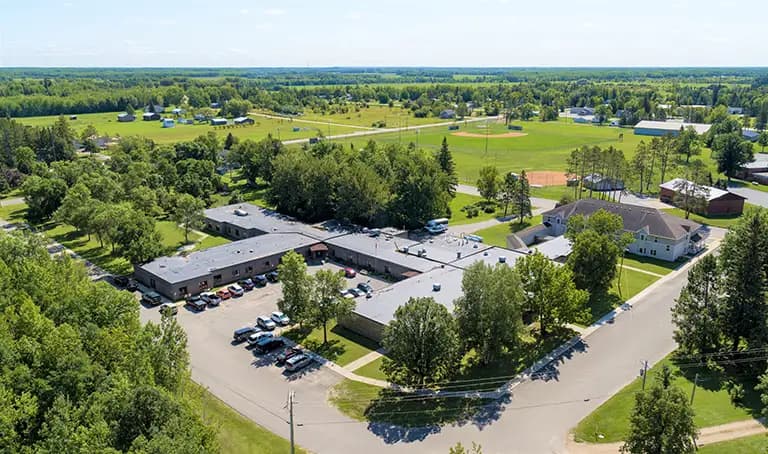
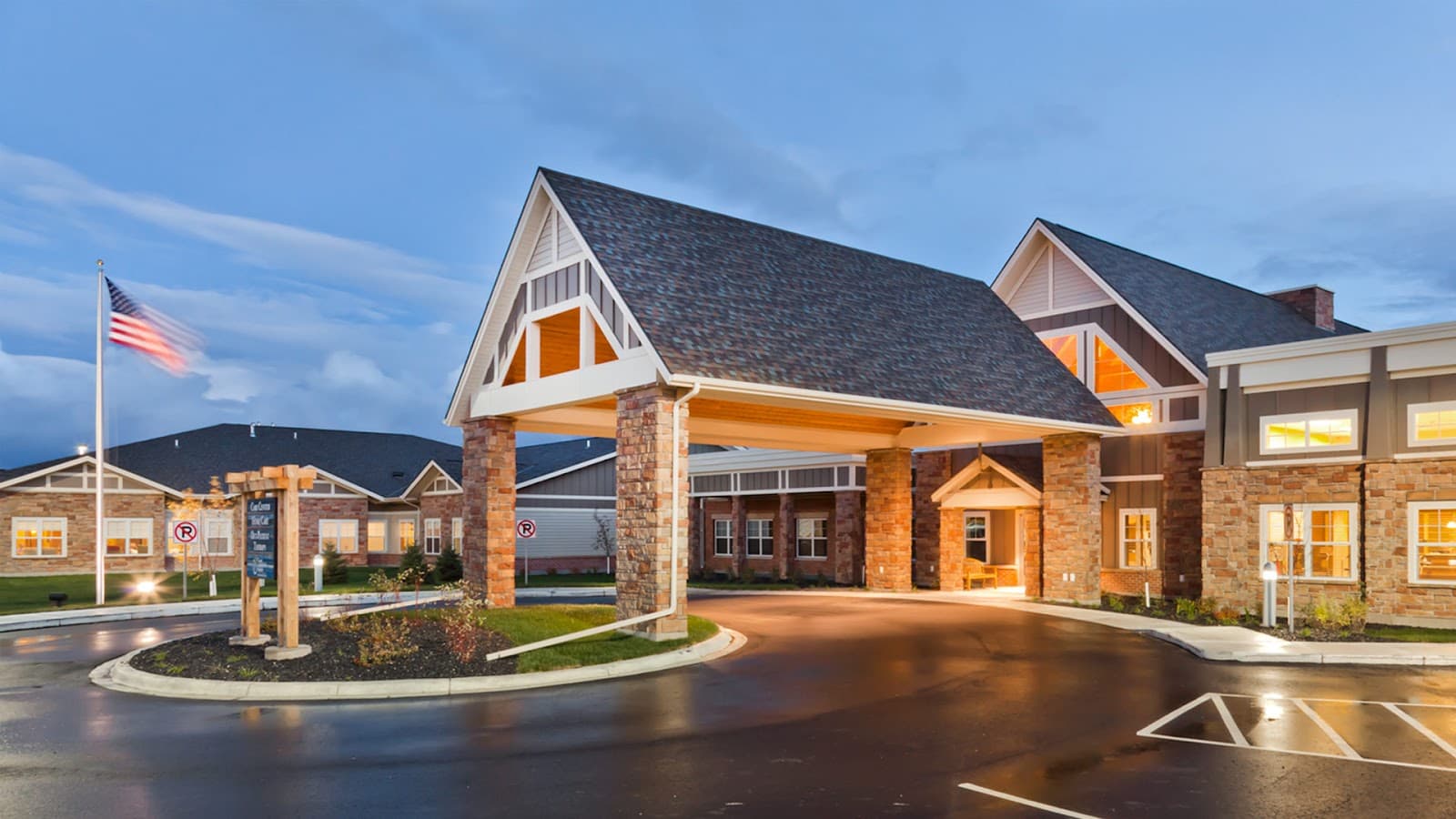 1 / 4
1 / 4CMS Care Compare
An automated summary of family reviews and public information. Not verified by MyLivingChoice; confirm services, staffing and pricing with the community.
Families have given this skilled nursing and long-term care community a strong overall rating, though no detailed written reviews are available to describe specific care experiences.
AI-generated from reviews and community data.
Good Samaritan Society - International Falls - Northwinds is a senior living community in International Falls, Minnesota offering Assisted Living, Independent Living and Skilled Nursing / Long Term Care. Amenities include Restaurant style Dining Room, Gathering / Activity Spaces and Housekeeping. Published pricing starts around $1,771 per month. Families rate it 4.6 out of 5 across 7 reviews.
Good Samaritan Society - International Falls - Northwinds is a skilled nursing and long term care community in International Falls, Minnesota, licensed for up to 54 residents. It is operated by Good Samaritan Society, a non-profit corporation, and is Medicare and Medicaid certified.
The community offers 24-hour staffing with on-site registered nurses, medication management, and restaurant-style dining. Residents have access to gathering and activity spaces, housekeeping and laundry services, cable or satellite television, emergency call systems, and wheelchair accessible facilities. The facility holds a 4 of 5 overall star rating from CMS.
Reviewers consistently praise the quality of care and expertise of staff. Families report that therapy services are effective and that residents receive attentive, kind, and supportive care with attention to comfort and dignity. One reviewer wrote that the facility is "more like a home than an institution."
Tell us what you're looking for and we'll match you with communities that fit. Free for families.
Help Me Choose4.6overall · 7 ratings combined
4.6★ on Google (7)
Robin Steele
Jan 2026
Wonderful assisted living with great staff. Wonderful tenants.

Kathy Ellsworth
Mar 2025
Both my parents lived at Northwinds Assisted Living and the Skilled facility at Voyageurs Unit. Both had caring people who provided kind and supportive care. Our parents were Happy, recieving Comfort and dignity.

Dixie Lee Grothe
Mar 2017
Old reviews are just that, old and outdated. This facility is more like a home than an institution. Therapy is excellent and our mother is improving daily. Anyone actually staying here to recuperate or living here are happy for their expertise and care!

Henry Jasinski
Jun 2013
These people are scum!! My father had a bad stroke and he was at the hospital which is attached. I have no complaints what so ever for the services my father received at the hospital. The upper hospital staff explained to me that my father would need to be moved to a skilled nursing facility since he is dying and has maybe a couple of days left. They suggested next door at Good Samaritan. There were beds available, so they sent his paperwork over to be reviewed. Good Samaritan returned the paperwork with a refusal and without any reason! The hospital did manage to find another SNF at LittleFork Medical Center which is 20 miles away. My father is a WWII survivor of the worst death camp in all of Europe--which was Auschwitz. He is 93 years of age. My mother, who is 90 years of age, is also a concentration camp survivor and she was in 2 camps--Buhenvald and Dachau. My father suffered enough in his life and now this is the way he needs to die. My mother is rather bewildered with all of this!! The fact of the matter is that no person should be treated this way and now I need to take a 90 year old, who can barely walk and with Rheumatoid Arthritis, 20 miles away just so that she can possibly see her husband die a rather sad death! Both Good Samaritan and LittleFork Medical Center are within the same network of their insurance coverage! The insurance company told me that they cannot refuse service unless they had no room whatsoever, which was NOT the case. Fortunately, the LittleFork Med. Center is actually rated better! As far as I am concerned, I would not suggest Good Samaritan to anyone. From what I understand, this has happened numerous times now. They will be getting some flack from the State's Attorney and from numerous others, by the time I am through with this ordeal!!
4 inspection visits in the last three years, 62 citations on file. Inspections are conducted by state agencies on behalf of the U.S. Centers for Medicare & Medicaid Services (CMS).
Have simulated fire drills held at unexpected times.
Severity F of L: no actual harm, potential for more than minimal harm, widespreadCorrected Mar 6, 2026
To conduct inspection, testing and maintenance of fire doors by qualified individuals.
Severity F of L: no actual harm, potential for more than minimal harm, widespreadCorrected Mar 6, 2026
Have generator or other power source capable of supplying service within 10 seconds.
Severity F of L: no actual harm, potential for more than minimal harm, widespreadCorrected Mar 6, 2026
Ensure receptacles at patient bed locations and where general anesthesia is administered, are tested after initial installation, replacement or servicing.
Severity F of L: no actual harm, potential for more than minimal harm, widespreadCorrected Mar 6, 2026
Install emergency lighting that can last at least 1 1/2 hours.
Severity F of L: no actual harm, potential for more than minimal harm, widespreadCorrected Mar 2, 2026
Inspect, test, and maintain automatic sprinkler systems.
Severity F of L: no actual harm, potential for more than minimal harm, widespreadCorrected Feb 26, 2026
Ensure smoke barriers are constructed to a 1 hour fire resistance rating.
Severity F of L: no actual harm, potential for more than minimal harm, widespreadCorrected Mar 6, 2026
Provide a written emergency evacuation plan.
Severity F of L: no actual harm, potential for more than minimal harm, widespreadCorrected Mar 6, 2026
Ensure proper usage of power strips and extension cords.
Severity E of L: no actual harm, potential for more than minimal harm, patternCorrected Mar 6, 2026
Ensure that special areas are constructed so that walls can resist fire for one hour or have an approved fire extinguishing system.
Severity D of L: no actual harm, potential for more than minimal harm, isolatedCorrected Mar 4, 2026
Provide or obtain laboratory tests/services when ordered and promptly tell the ordering practitioner of the results.
Severity D of L: no actual harm, potential for more than minimal harm, isolatedCorrected Feb 10, 2026
Provide and implement an infection prevention and control program.
Severity D of L: no actual harm, potential for more than minimal harm, isolatedCorrected Feb 10, 2026
Provide care and assistance to perform activities of daily living for any resident who is unable.
Severity D of L: no actual harm, potential for more than minimal harm, isolatedCorrected Feb 10, 2026
Have restrictions on the use of portable space heaters.
Severity D of L: no actual harm, potential for more than minimal harm, isolatedCorrected Mar 6, 2026
Follow proper procedures when the automatic sprinkler systems was out of service for more than 10 hours.
Severity D of L: no actual harm, potential for more than minimal harm, isolatedCorrected Mar 6, 2026
Follow proper procedures when the fire alarm was out of service for more than 4 hours.
Severity D of L: no actual harm, potential for more than minimal harm, isolatedCorrected Mar 2, 2026
Provide properly protected cooking facilities.
Severity D of L: no actual harm, potential for more than minimal harm, isolatedCorrected Feb 26, 2026
Ensure receptacles at patient bed locations and where general anesthesia is administered, are tested after initial installation, replacement or servicing.
Severity F of L: no actual harm, potential for more than minimal harm, widespreadCorrected Jan 6, 2025
To conduct inspection, testing and maintenance of fire doors by qualified individuals.
Severity F of L: no actual harm, potential for more than minimal harm, widespreadCorrected Jan 6, 2025
Provide and implement an infection prevention and control program.
Severity F of L: no actual harm, potential for more than minimal harm, widespreadCorrected Jan 6, 2025
Have simulated fire drills held at unexpected times.
Severity F of L: no actual harm, potential for more than minimal harm, widespreadCorrected Jan 6, 2025
Ensure smoke barriers are constructed to a 1 hour fire resistance rating.
Severity F of L: no actual harm, potential for more than minimal harm, widespreadCorrected Jan 6, 2025
Conduct and document a facility-wide assessment to determine what resources are necessary to care for residents competently during both day-to-day operations (including nights and weekends) and emergencies.
Severity F of L: no actual harm, potential for more than minimal harm, widespreadCorrected Jan 6, 2025
Inspect, test, and maintain automatic sprinkler systems.
Severity F of L: no actual harm, potential for more than minimal harm, widespreadCorrected Jan 6, 2025
Set up an ongoing quality assessment and assurance group to review quality deficiencies and develop corrective plans of action.
Severity F of L: no actual harm, potential for more than minimal harm, widespreadCorrected Jan 6, 2025
Have proper medical gas storage and administration areas.
Severity F of L: no actual harm, potential for more than minimal harm, widespreadCorrected Jan 6, 2025
Ensure drugs and biologicals used in the facility are labeled in accordance with currently accepted professional principles; and all drugs and biologicals must be stored in locked compartments, separately locked, compartments for controlled drugs.
Severity D of L: no actual harm, potential for more than minimal harm, isolatedCorrected Jan 6, 2025
Reasonably accommodate the needs and preferences of each resident.
Severity D of L: no actual harm, potential for more than minimal harm, isolatedCorrected Jan 6, 2025
Ensure each resident receives an accurate assessment.
Severity D of L: no actual harm, potential for more than minimal harm, isolatedCorrected Jan 6, 2025
Provide care and assistance to perform activities of daily living for any resident who is unable.
Severity D of L: no actual harm, potential for more than minimal harm, isolatedCorrected Jan 6, 2025
Provide appropriate pressure ulcer care and prevent new ulcers from developing.
Severity D of L: no actual harm, potential for more than minimal harm, isolatedCorrected Jan 6, 2025
Provide care or services that was trauma informed and/or culturally competent.
Severity D of L: no actual harm, potential for more than minimal harm, isolatedCorrected Jan 6, 2025
Ensure a licensed pharmacist perform a monthly drug regimen review, including the medical chart, following irregularity reporting guidelines in developed policies and procedures.
Severity D of L: no actual harm, potential for more than minimal harm, isolatedCorrected Jan 6, 2025
Ensure each resident’s drug regimen must be free from unnecessary drugs.
Severity D of L: no actual harm, potential for more than minimal harm, isolatedCorrected Jan 6, 2025
Implement gradual dose reductions(GDR) and non-pharmacological interventions, unless contraindicated, prior to initiating or instead of continuing psychotropic medication; and PRN orders for psychotropic medications are only used when the medication is necessary and PRN use is limited.
Severity D of L: no actual harm, potential for more than minimal harm, isolatedCorrected Jan 6, 2025
Implement a program that monitors antibiotic use.
Severity D of L: no actual harm, potential for more than minimal harm, isolatedCorrected Jan 6, 2025
Keep aisles, corridors, and exits free of obstruction in case of emergency.
Severity D of L: no actual harm, potential for more than minimal harm, isolatedCorrected Jan 6, 2025
Install corridor and hallway doors that block smoke.
Severity D of L: no actual harm, potential for more than minimal harm, isolatedCorrected Jan 6, 2025
Post nurse staffing information every day.
Severity C of L: potential for minimal harm, widespreadCorrected Jan 6, 2025
Ensure that a nursing home area is free from accident hazards and provides adequate supervision to prevent accidents.
Severity G of L: actual harm, isolatedFound during a complaint inspectionCorrected Feb 4, 2024
Inspect, test, and maintain automatic sprinkler systems.
Severity F of L: no actual harm, potential for more than minimal harm, widespreadCorrected Nov 20, 2023
Ensure smoke barriers are constructed to a 1 hour fire resistance rating.
Severity F of L: no actual harm, potential for more than minimal harm, widespreadCorrected Nov 20, 2023
Ensure heating and ventilation systems that have been properly installed according to the manufacturer's instructions.
Severity F of L: no actual harm, potential for more than minimal harm, widespreadCorrected Nov 20, 2023
Provide a written emergency evacuation plan.
Severity F of L: no actual harm, potential for more than minimal harm, widespreadCorrected Nov 20, 2023
Have simulated fire drills held at unexpected times.
Severity F of L: no actual harm, potential for more than minimal harm, widespreadCorrected Nov 20, 2023
Have generator or other power source capable of supplying service within 10 seconds.
Severity F of L: no actual harm, potential for more than minimal harm, widespreadCorrected Nov 20, 2023
Give residents a notice of rights, rules, services and charges.
Severity F of L: no actual harm, potential for more than minimal harm, widespreadCorrected Nov 28, 2023
Implement emergency and standby power systems.
Severity F of L: no actual harm, potential for more than minimal harm, widespreadCorrected Nov 29, 2023
Follow proper procedures when the fire alarm was out of service for more than 4 hours.
Severity F of L: no actual harm, potential for more than minimal harm, widespreadCorrected Nov 20, 2023
Provide and implement an infection prevention and control program.
Severity E of L: no actual harm, potential for more than minimal harm, patternCorrected Nov 28, 2023
Install emergency lighting that can last at least 1 1/2 hours.
Severity E of L: no actual harm, potential for more than minimal harm, patternCorrected Nov 20, 2023
Develop and implement policies and procedures for flu and pneumonia vaccinations.
Severity E of L: no actual harm, potential for more than minimal harm, patternCorrected Nov 28, 2023
Regularly inspect all bed frames, mattresses, and bed rails (if any) for safety; and all bed rails and mattresses must attach safely to the bed frame.
Severity D of L: no actual harm, potential for more than minimal harm, isolatedCorrected Nov 28, 2023
Try different approaches before using a bed rail. If a bed rail is needed, the facility must (1) assess a resident for safety risk; (2) review these risks and benefits with the resident/representative; (3) get informed consent; and (4) Correctly install and maintain the bed rail.
Severity D of L: no actual harm, potential for more than minimal harm, isolatedCorrected Nov 28, 2023
Provide care or services that was trauma informed and/or culturally competent.
Severity D of L: no actual harm, potential for more than minimal harm, isolatedCorrected Nov 28, 2023
Provide enough food/fluids to maintain a resident's health.
Severity D of L: no actual harm, potential for more than minimal harm, isolatedCorrected Nov 28, 2023
Ensure that a nursing home area is free from accident hazards and provides adequate supervision to prevent accidents.
Severity D of L: no actual harm, potential for more than minimal harm, isolatedCorrected Nov 28, 2023
Notify the resident or the resident’s representative in writing how long the nursing home will hold the resident’s bed in cases of transfer to a hospital or therapeutic leave.
Severity D of L: no actual harm, potential for more than minimal harm, isolatedCorrected Nov 28, 2023
Provide timely notification to the resident, and if applicable to the resident representative and ombudsman, before transfer or discharge, including appeal rights.
Severity D of L: no actual harm, potential for more than minimal harm, isolatedCorrected Nov 28, 2023
Properly select, install, inspect, or maintain portable fire extinguishes.
Severity D of L: no actual harm, potential for more than minimal harm, isolatedCorrected Nov 20, 2023
Procure food from sources approved or considered satisfactory and store, prepare, distribute and serve food in accordance with professional standards.
Severity D of L: no actual harm, potential for more than minimal harm, isolatedCorrected Nov 28, 2023
Ensure each resident receives an accurate assessment.
Severity B of L: potential for minimal harm, patternCorrected Nov 28, 2023
Source: CMS Care Compare, public federal data covering certified nursing facilities, refreshed monthly. Citations range from A (least serious) to L (most serious) on the federal scope and severity scale. Most citations are corrected quickly; review the details and ask the community about anything that concerns you.
Good Samaritan Society - International Falls - Northwinds offers Assisted Living, Independent Living and Skilled Nursing / Long Term Care.
Published pricing at Good Samaritan Society - International Falls - Northwinds starts around $1,771 per month. Final costs depend on care needs and apartment selection; contact the community for a detailed quote.
Good Samaritan Society - International Falls - Northwinds is located at 2101 Keenan Drive in International Falls, Minnesota.
Good Samaritan Society - International Falls - Northwinds carries a 4.6 out of 5 rating from 7 Google reviews. Reviews on MyLivingChoice come from families who confirmed a connection to the community and appear with the reviewer's first name and last initial.
Good Samaritan Society - International Falls - Northwinds had 4 government inspection visits in the last three years, with 62 citations on file according to CMS Care Compare data. The full history, including what each citation was for and whether it was corrected, is in the inspection section on this page.
Submit the Request Information form on this page, or contact Good Samaritan Society - International Falls - Northwinds directly, to arrange a tour. Sharing your timeline and care needs up front helps the community prepare for your visit.
Work at Good Samaritan Society - International Falls - Northwinds? Claim this listing to update photos, pricing, and details. It's free.
Other senior living options within 25 miles of International Falls.