California Sunshine Rcfe
5837 Mitchell Canyon Ct.Own this community? Update your listing · Marketing for operators
 1 / 6
1 / 6Quick Facts
- Total units
- 6
- Licensed capacity
- 6 residents
- Licensed operator
- Sylvia Usa, LLC
California CDSS
California Sunshine Rcfe is a senior living community in Clayton, California offering Assisted Living. Amenities include Gathering / Activity Spaces, Social Activities and Housekeeping.
About California Sunshine Rcfe
California Sunshine Rcfe is a residential assisted living community in Clayton licensed for up to 6 residents. The intimate setting provides 24-hour staffing and emergency call systems to support residents' daily needs.
The community offers private rooms and is wheelchair accessible. Amenities include housekeeping services, medication management, and social activities held in gathering and activity spaces designed to support resident engagement and wellbeing.
Types of Care at California Sunshine Rcfe
Amenities
Room Amenities
- Emergency Call System
- Private Rooms
- Wheelchair Accessible
Community Amenities
- 24-Hour Staff
- Gathering / Activity Spaces
- Housekeeping
- Medication Management
Activities
- Social Activities
Need help deciding?
Tell us what you're looking for and we'll match you with communities that fit. Free for families.
Help Me ChooseReviews of California Sunshine Rcfe
No reviews yet for this community. Be the first.
Frequently Asked Questions
What types of care does California Sunshine Rcfe offer?
California Sunshine Rcfe offers Assisted Living.
Where is California Sunshine Rcfe located?
California Sunshine Rcfe is located at 5837 Mitchell Canyon Ct. in Clayton, California.
How can families visit California Sunshine Rcfe?
Submit the Request Information form on this page, or contact California Sunshine Rcfe directly, to arrange a tour. Sharing your timeline and care needs up front helps the community prepare for your visit.
Work at California Sunshine Rcfe? Claim this listing to update photos, pricing, and details. It's free.
Compare with similar communities nearby
Assisted living communities within 25 miles that work with MyLivingChoice, nearest first. If you move into one we introduce you to, it pays us a referral fee, never you; we never order them by what they pay.
 From $6,000/moPartner
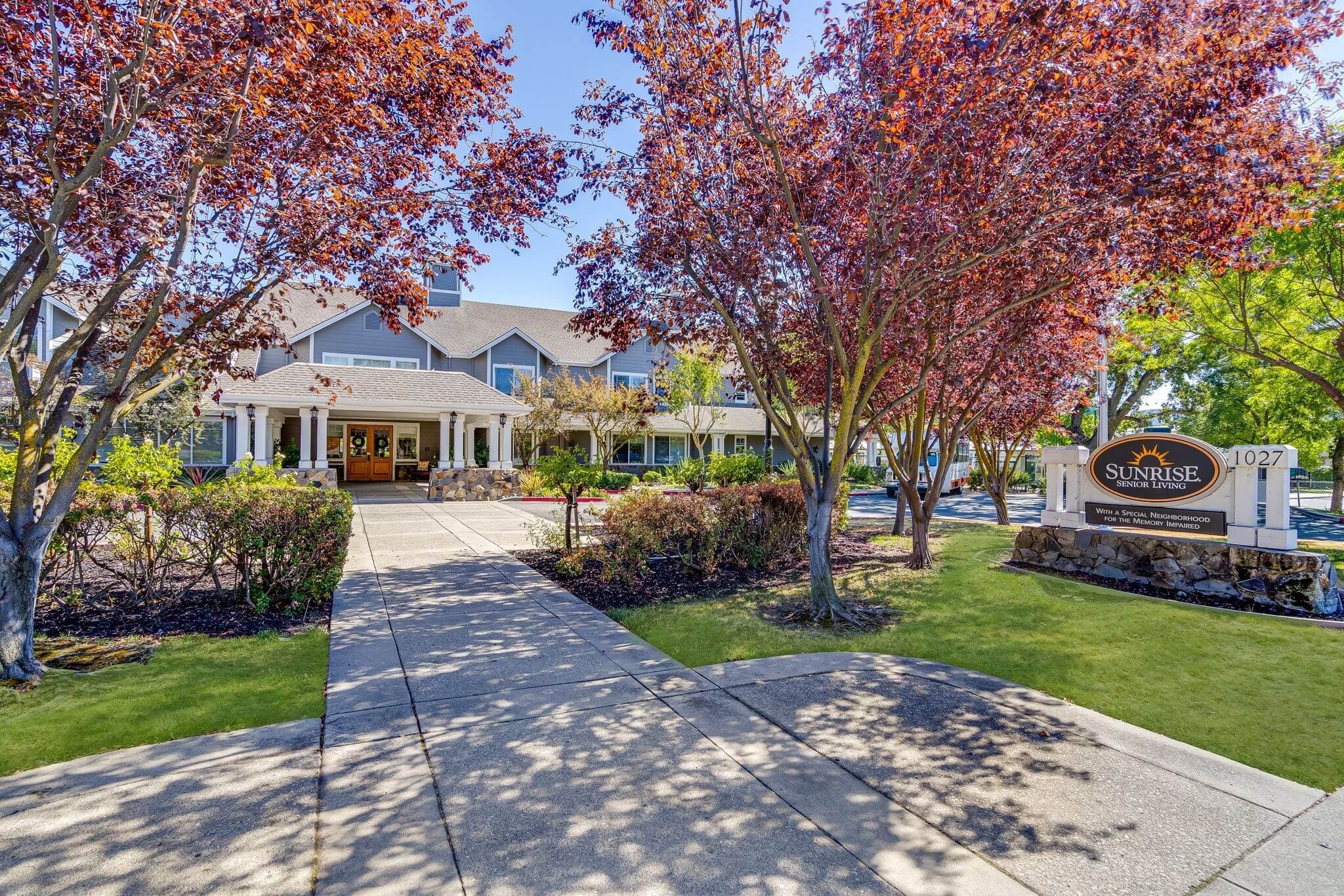
Sunrise of Danville
Danville, California
4.8(109)
Assisted LivingMemory CareRespite / Short-Term Care
 Partner
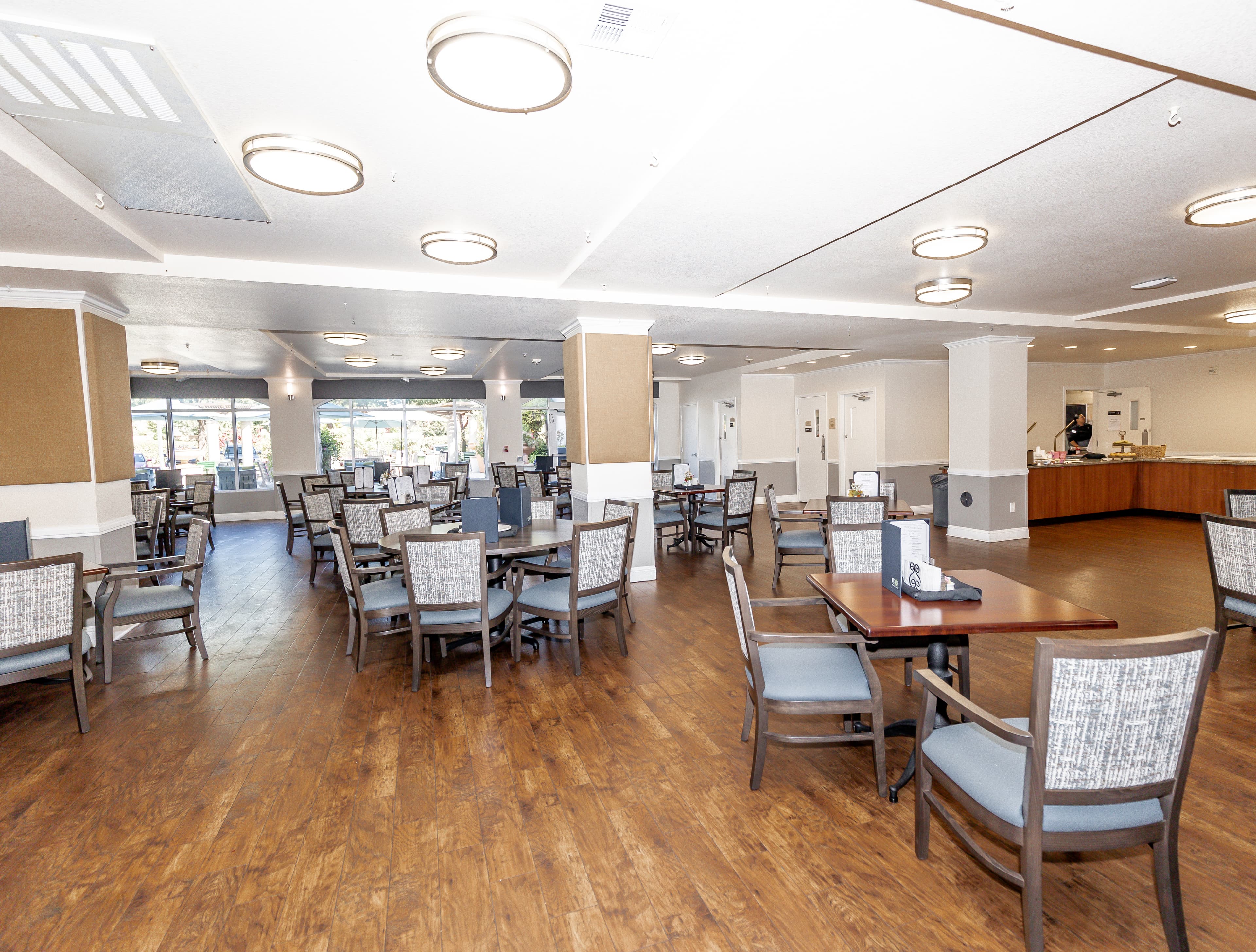
Cogir Of Brentwood
Brentwood, California
4.7(51)
Assisted LivingIndependent Living
 From $7,000/moPartner
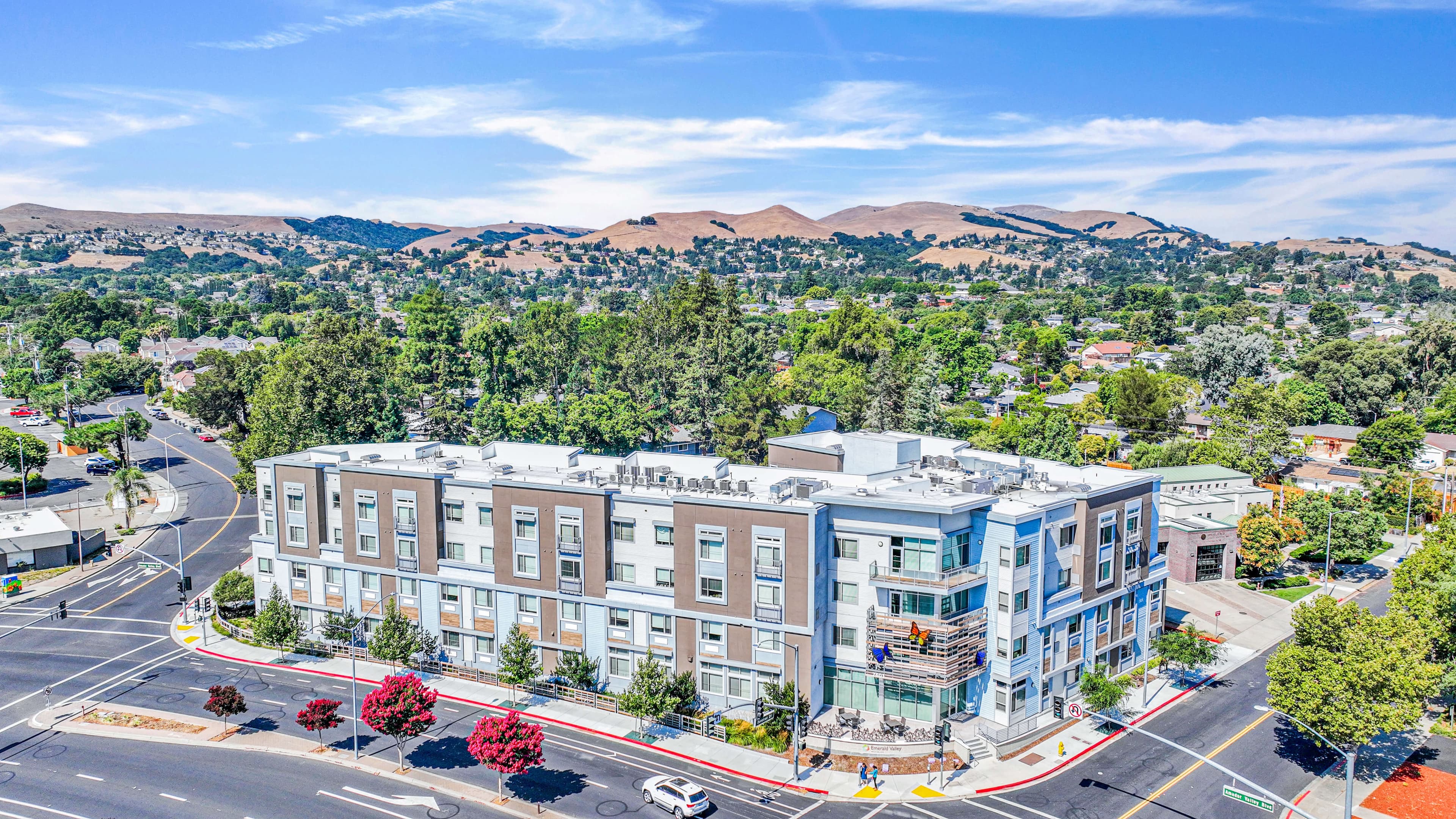
Emerald Valley
Dublin, California
4.6(99)
Assisted LivingMemory CareRespite / Short-Term Care
Not sure which is right? A real person will shortlist up to three for you, free.
Get a free shortlistNearby Communities
Other senior living options within 25 miles of Clayton.
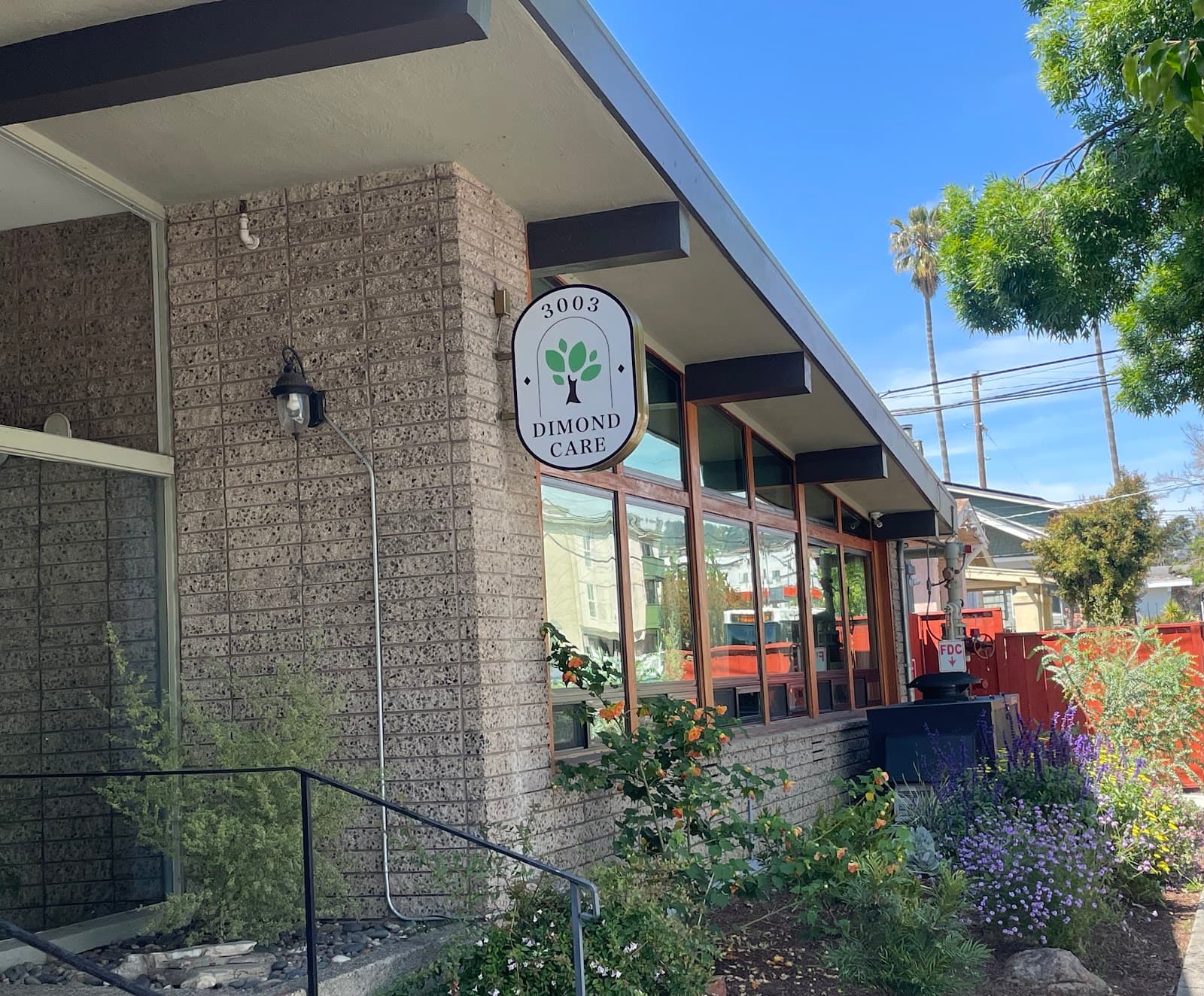
Prefer to stay home?
Home care agencies serving Clayton bring help to the house: daily living, companionship, and respite for family caregivers.